Mentha arvensis L.
Plant Name: Mentha arvensis L. (Field Mint / Wild Mint)
Genus: Mentha L. Synonyms: Mentha gracilis x, Mentha gentilis x, Mentha austriaca Jacq.
Family: Lamiaceae (Labiatae) Part Used: Flowering Herb Extraction Method: Steam Distillation
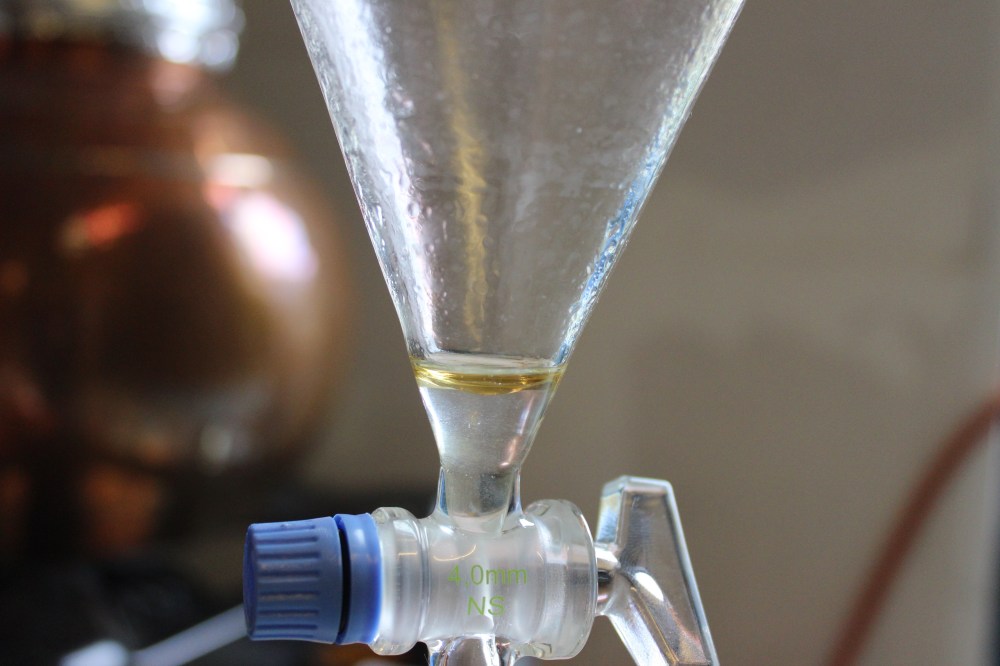
Mentha arvensis essential oil is obtained from the flowering herb of the Mentha arvensis plant through steam distillation. It is a colorless or pale yellow oil with a refreshing, sweet, minty scent that bears some resemblance to peppermint. The taste of the oil is characterized by a sharp menthol note.
One of the notable properties of Mentha arvensis essential oil is its miscibility with fatty oils and other essential oils. This means that it can blend well with carrier oils and other aromatic oils, allowing for easy formulation and blending in various applications.
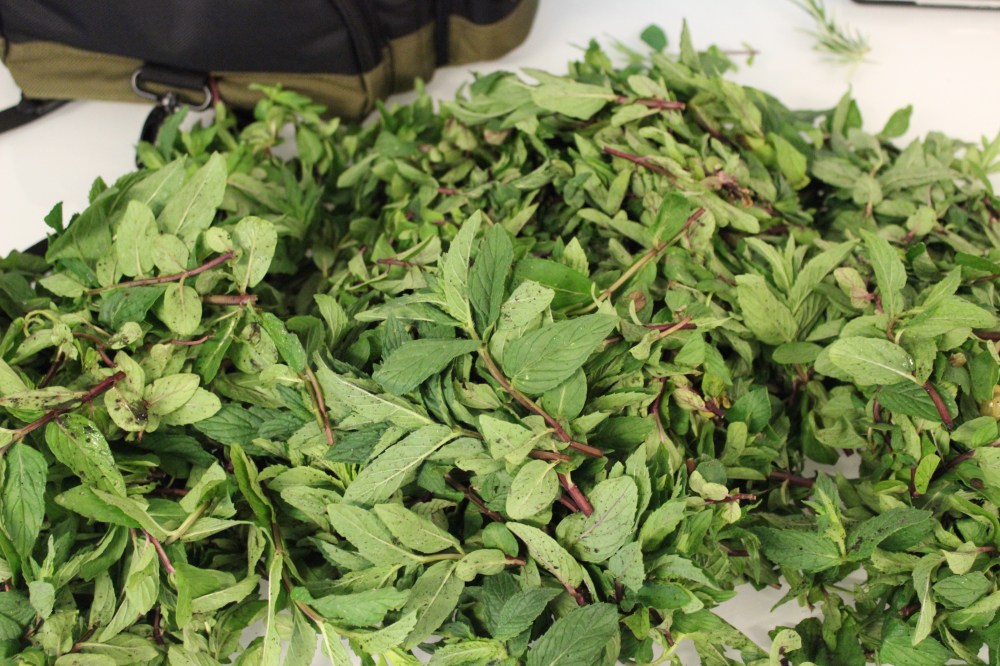
The Mentha arvensis plant, commonly known as Field Mint or Wild Mint, belongs to the Lamiaceae family (also known as Labiatae). It has been utilized for its aromatic and medicinal properties for centuries. The essential oil derived from Mentha arvensis is valued for its cooling, invigorating, and refreshing qualities, making it a popular ingredient in personal care products, aromatherapy, and traditional medicine.
Wild mint, scientifically known as Mentha arvensis, is a delicate herb characterized by spear-shaped leaves and lovely lilac-colored flowers that can reach a height of up to 60 cm. It features a distinctive square hollow stem and possesses both underground and aboveground shoots. The leaves of wild mint are petiolate and covered in fine hairs. They are ovate to elliptic in shape, measuring 2-6 cm in length and 1-2 cm in width, with serrated margins. From July to autumn, it blooms with beautiful purple flowers. The calyx, measuring around 2-3 mm, is slightly hairy on the inside and comprises triangular sepals that are longer than they are wide. The flowers are arranged in two whorls. As the fruit ripens, it splits into four separate achenes.
Wild mint thrives in moist to wet, nutrient-rich soils, and it can be found growing in various environments such as arable land, along waterways, in swampy areas, alongside fens, and within deciduous forests.
Throughout history, field mint has been utilized for its medicinal properties. It has been traditionally employed in the treatment of rheumatic pains, nerve pain, and colds. Additionally, crushed leaves of wild mint have been applied to the forehead to alleviate nervous headaches. In Chinese medicine, this herb is even used for the treatment of tumors and skin disorders.
The essential oil of wild mint, extracted through water vapor distillation of the flowering herb of Mentha arvensis, possesses a colorless to pale yellow appearance and emits a bittersweet peppermint fragrance. The oil and its main constituent, menthol, find extensive usage in the food and pharmaceutical industries for their various applications.
Active ingredients
The active ingredients found in wild mint are derived from its flowering tops, which are harvested from the wild and then subjected to distillation. These active compounds contribute to the distinct properties and fragrance of the plant.
Wild mint essential oil contains several important compounds, including:
- Menthol: The most prominent compound, making up approximately 34% of the oil. It provides a cooling and refreshing sensation.
- Menthone: Another significant compound, constituting around 21% of the oil. It contributes to the minty aroma.
- Isomenthone: Found at approximately 8.9%, it adds to the overall fragrance and therapeutic properties.
- Limonene: Present at around 4.9%, it imparts a citrusy scent and offers potential health benefits.
- Other compounds: Wild mint essential oil also contains α-pinene, β-caryophyllene, β-pinene, 1,8-cineole, menthyl acetate, isopulegol, myrcene, neomenthol, octanol 3, piperitone, pulegone, sabinene, and traces of thujone, phellandrene, and menthofuran.
Menthol, menthone, and isomenthone are particularly notable for their cooling and soothing effects. These compounds can provide relief for various conditions, such as muscle aches, headaches, and respiratory discomfort.
Isolating menthol from wild mint essential oil can be achieved through a process called crystallization, which involves subjecting the oil to low temperatures. The menthol molecules separate and form crystals, which can then be collected.
The unique combination of these compounds in wild mint essential oil gives it its distinctive aroma and potential therapeutic benefits.
Efficacy:
- Acne: Wild mint essential oil has analgesic properties that can help alleviate acne-related pain and discomfort.
- Neuralgia, toothache, and sciatica: The oil’s anesthetic properties make it beneficial for relieving nerve-related pain.
- Migraine and headache: Wild mint oil’s soothing effects can help alleviate migraines and headaches.
- Antibacterial properties: The oil exhibits antibacterial activity against various strains, including Bacillus brevis, Staphylococcus, Bacillus subtilis, and meningococcal bacteria.
- Anticonvulsant: Wild mint oil has potential anticonvulsant properties.
- Antifungal: The oil shows effectiveness against Aspergillus species and other fungal strains.
- Anti–infectious: Wild mint oil can help combat various infections, including rhinitis, rhinopharyngitis, laryngitis, sinusitis, and other respiratory infections.
- Antiparasitic: The oil is effective against parasites, lice, flies, and other insects.
- Antiseptic: Wild mint oil possesses antiseptic properties, making it useful for disinfecting wounds and preventing infections.
- Carminative: The oil aids in relieving flatulence and promoting healthy digestion.
- Cephalic and cerebral stimulant: Wild mint oil can help stimulate the mind, improve concentration, and enhance mental alertness.
- Cholagogue: The oil promotes the production and flow of bile, supporting healthy digestion.
- Dermatitis: Wild mint oil can provide relief for skin conditions like dermatitis.
- Diarrhea and digestive issues: The oil aids in relieving diarrhea and various digestive problems such as constipation and dyspepsia.
- Epithelizing: Wild mint oil promotes the healing of epithelial tissue, aiding in wound healing.
- Eupeptic and ulcer support: The oil supports healthy digestion, helps with ulcers, and relieves nausea (including indigestion and pregnancy-related nausea).
- Expectorant: Wild mint oil helps promote the expulsion of mucus and relieve respiratory congestion.
- Fainting: The oil can help alleviate symptoms of fainting.
- Gallbladder and bile-related issues: Wild mint oil aids in addressing bile-related problems, including gallstones and gastritis.
- Lack of appetite: The oil stimulates the appetite, addressing cases of reduced or loss of appetite.
- Memory weakness: Wild mint oil may help improve memory and cognitive functions.
- Palpitations: The oil can provide relief for palpitations or irregular heartbeat.
- Hiccups: Wild mint oil aids in relieving hiccups.
- Cough and spastic cough: The oil helps soothe coughs, including spastic coughs.
- Gout: Wild mint oil can be beneficial in addressing gout-related symptoms.
- Sedative: The oil has calming properties and can help alleviate headaches and promote relaxation.
- Cooling and skin conditions: Wild mint oil provides a cooling effect and is useful for conditions like eczema, pruritus, and urticaria (hives).
- Fever: The oil can assist in reducing fever.
- Menstrual complaints: Wild mint oil helps address various menstrual complaints.
- Motion sickness: The oil can help alleviate symptoms of motion sickness.
- Anti-inflammatory: Wild mint oil has anti-inflammatory properties, making it useful for reducing inflammation.
- Rheumatism: The oil aids in relieving symptoms of rheumatism.
- Ringworm: Wild mint oil shows effectiveness against ringworm.
- Soothing: The oil has soothing properties and can provide relief for conditions like scabies and shock.
- Sinusitis: Wild mint oil helps alleviate symptoms of sinusitis.
- Insomnia: The oil can aid in promoting sleep and relieving insomnia.
- Bad breath/halitosis: Wild mint oil helps freshen breath and address halitosis (bad breath).
- Mucous membrane inflammation: The oil can provide relief for inflammation of the mucous membranes.
- Digestive problems: Wild mint oil aids in addressing various digestive issues.
- Spasmolytic: The oil helps alleviate muscle spasms and cramps.
- Stimulating: Wild mint oil has stimulating properties, providing a boost of energy and promoting alertness.
- Stomachic: The oil supports healthy stomach function.
- Tooth and toothache: Wild mint oil can be beneficial for oral health, including addressing toothaches.
- Tonic: In low doses, wild mint oil acts as a tonic, supporting overall well-being.
- Cold: The oil can help alleviate symptoms of the common cold.
- Vertigo: Wild mint oil aids in reducing symptoms of vertigo.
- Chilblains/feet: The oil provides relief for conditions like chilblains (cold-damaged skin) and discomfort in the feet.
- Nerve pain: Wild mint oil helps alleviate nerve-related pain.
- Diaphoretic: The oil promotes sweating and can aid in detoxification.
The oil of wild mint (Mentha arvensis) is very similar to that of Mentha x piperita (peppermint), but it has a higher menthol content, ranging from 70% to 80%. Additionally, the oil exhibits antifungal and antibacterial properties, further enhancing its therapeutic potential.
Combinations:
Wild mint essential oil blends well with various other oils, including:
- All mints: Combining with other mint oils creates a refreshing and cooling aroma.
- Eucalyptus: Blending with eucalyptus oil enhances the respiratory and soothing properties.
- Benzoin: The combination of wild mint and benzoin oil creates a warm and comforting fragrance.
- Bergamot: Blending with bergamot oil adds a citrusy and uplifting note to the aroma.
- Lemon: Combining with lemon oil creates a bright and invigorating scent.
- Pine: The blend of wild mint and pine oil results in a fresh and woody aroma.
- Lavender: Blending with lavender oil enhances relaxation and promotes a calm atmosphere.
- Marjoram: The combination of wild mint and marjoram oil creates a soothing and comforting aroma.
- Rosemary: Blending with rosemary oil adds a herbal and invigorating note to the fragrance.
Contraindications:
- Peppermint preference: In aromatherapy, it is preferable to use sharp and peppermint oils.Non-toxic and non-irritating (except when concentrated)
- Sensitization: In some cases, individuals may develop sensitization to wild mint oil. It is recommended to perform a patch test before extensive use.
- Skin irritation: Menthol, a component of wild mint oil, can be irritating to the skin. Caution should be exercised, and the oil should be properly diluted.
- Pregnancy and children under 3 years of age: Wild mint oil should not be used during pregnancy or on children under the age of 3. Apnoea (dyspnea) and collapse: Excessive use or inhalation of wild mint oil may cause breathing difficulties and collapse. It should be used in moderation
- Abortifacient in large doses: High doses of wild mint oil have been associated with abortifacient effects. It should be used with caution.
- Stomach upset: In some cases, wild mint oil may cause stomach discomfort or upset. It is advisable to use it in moderation and observe individual reactions.
- Avoid use with homeopathic medicines: Wild mint oil should not be used in combination with homeopathic medicines, as it may interfere with their efficacy.
- Bath use: Wild mint oil should not be used in baths, as it can cause skin irritation or sensitization.
- Children: Extra caution should be exercised when using wild mint oil on children.
- Low dosage and limited use: It is recommended to use wild mint oil in low doses and avoid prolonged use to prevent potential liver damage.

 Herbal Panda
You must be logged in to post a comment.