ROSMARINUS OFFICINALIS L. CT. CAMPHOR
Rosemary is further classified into different chemotypes, namely cineol and verbenone. It belongs to the Lamiaceae family and the flowering tops of the plant are used for extraction. Rosemary is primarily cultivated in Spain and France. The essential oil is obtained through steam distillation. In Spain, there is also an essential oil derived from the whole plant, but it is of lower quality. The oil extracted from the fresh flowering tops of rosemary is colorless or pale yellow and possesses a strong, fresh, balsamic, spicy, and minty aroma. It is commonly used as a middle or top note in men’s perfumes and colognes.
Rosemary has an essential oil content of about 2%, which means that 50 kilograms of fresh herb are required to produce 1 kilogram of essence.
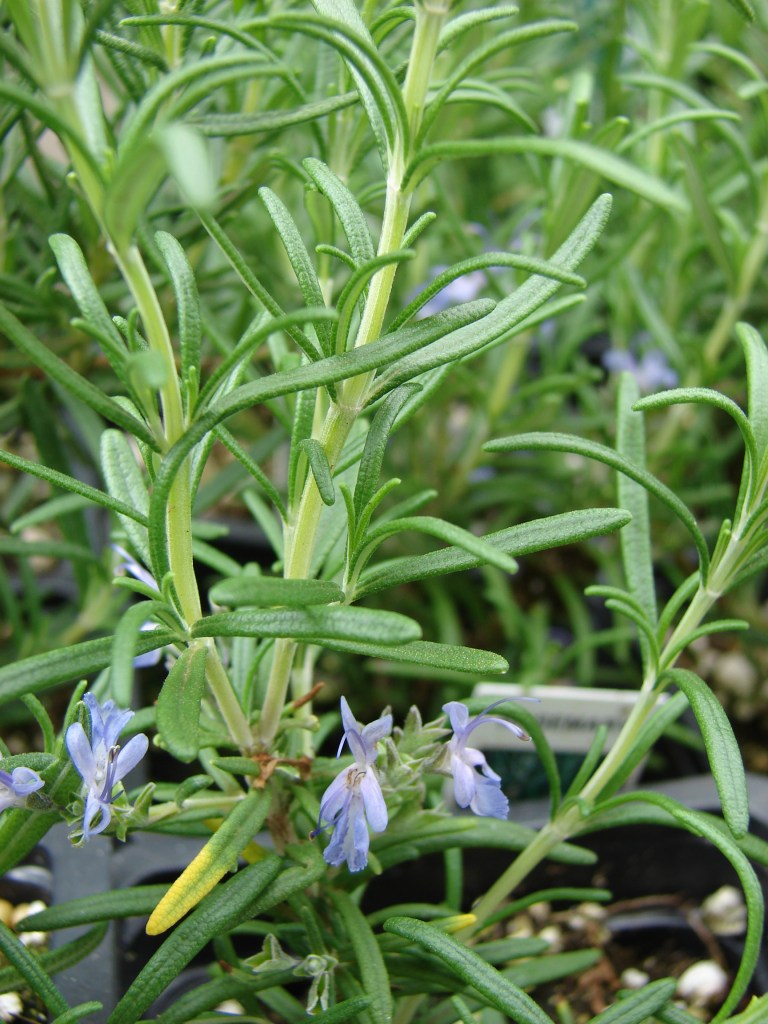
Rosemary belongs to the same plant family as mint, clary sage, sage, basil, thyme, marjoram, patchouli, lavender, hyssop, and melissa. It can grow up to a height of 1-2 meters and can live for around 20 years in protected areas. It is grown in the United States, Spain, France, North Africa, and many gardens worldwide. There are numerous cultivars of Rosmarinus officinalis. This woody and hardy shrub has small blue-white flowers that are rich in pollen, making them attractive to bees. The stem is woody and twisted, while the leaves are narrow, evergreen, and emit a resinous scent resembling pine needles. Rosemary thrives in sunny conditions and prefers well-drained soil. The more sunlight it receives, the more aromatic its foliage becomes. It is best to use the herb fresh, in the form of sprigs. Native to dry regions around the Mediterranean Sea, rosemary has been used for centuries as a tonic.
Rosemary flowers placed in linen closets act as a natural moth repellent. Traces of rosemary have been discovered in Egyptian tombs, indicating its use as a cleansing incense. Rosemary is also believed to enhance memory. In ancient Greece, students would weave sprigs of rosemary into their hair when preparing for exams. According to legend, the flowers of rosemary were originally white, but turned blue when the Virgin Mary brushed a rosemary bush with her cloak during her flight to Egypt. During the Middle Ages, rosemary cultivation spread across the Alps.
Rosemary holds significant cultural and historical significance. It was regarded as a sacred herb and a symbol of loyalty and reliability by the Egyptians, Greeks, and Romans. In ancient times, rosemary was dedicated to the goddess Aphrodite and associated with fertility. It was customary to place a twig of rosemary in the cradle and wear it as a wreath during weddings. A romantic tradition involved planting a sprig of rosemary, and if it grew successfully, it was believed to signify enduring love. Rosemary was also believed to improve memory and symbolize faithfulness, as well as ward off spirits and negative energies.
During epidemics, French hospitals burned rosemary due to its antiseptic properties. In England, people wore rosemary around their necks to prevent colds, and during plague times, a bag of rosemary was worn to ward off contagion. Tying rosemary around the right arm was thought to improve mood, and placing dried leaves under the pillow was believed to protect against nightmares. Charlemagne even mandated the cultivation of rosemary in all imperial gardens.
Rosemary primarily affects the mental plane and acts as a potent nerve tonic. Rosmarinus officinalis stimulates the central nervous system, enhancing clarity of thought and consciousness. It blends well with lemongrass, lemon, grapefruit, and hyssop. Rosemary also supports liver function, stimulating bile production and promoting liver health.
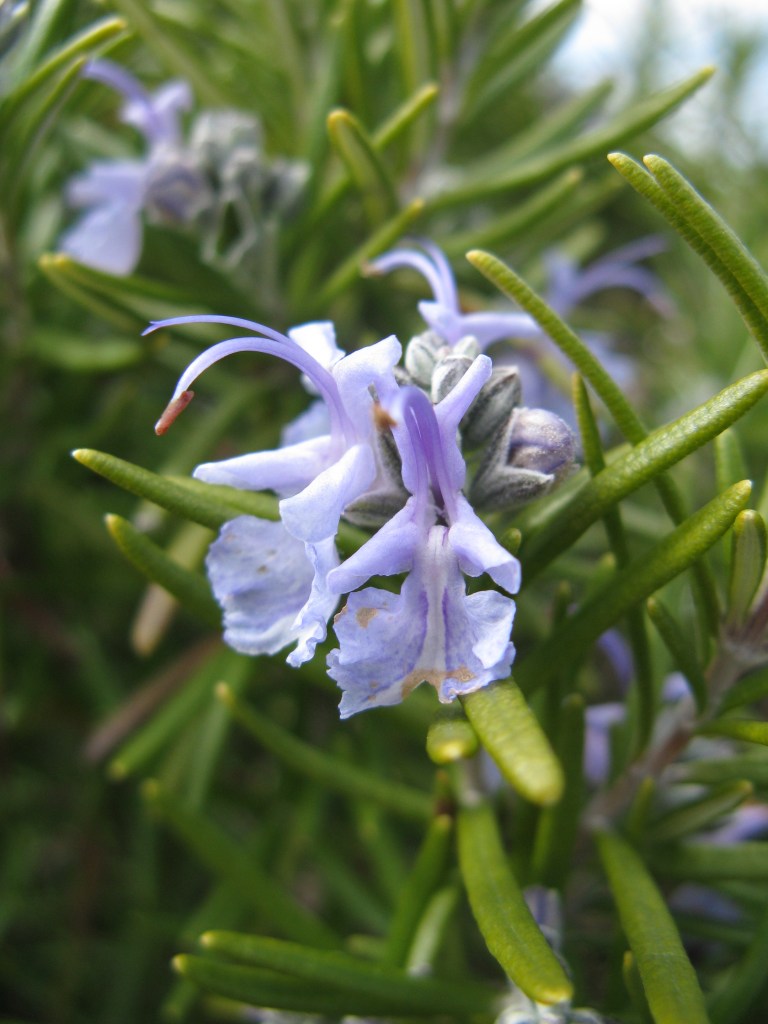
In aromatherapy, rosemary is one of the most important plants in the Lamiaceae family, following lavender. This shrub, with its silver-green needle-shaped leaves and pale blue flowers, grows abundantly throughout Europe, particularly near coastal areas. The Latin name Rosmarinus is derived from “ros” meaning dew and “marinus” meaning from the sea, highlighting its affinity for maritime regions. Rosemary was considered a sacred plant in ancient Rome and Greece, associated with various magical properties. The ancient Greeks believed it strengthened the mind and memory, leading to rosemary becoming a symbol of memory, love, and friendship during births, weddings, and funerals. It was believed to provide protection against evil and foster friendships.
Numerous folk customs involving rosemary have been observed, such as breaking branches during baptisms, marriages, and funerals, as well as burning branches in hospitals for their disinfectant properties.
Rosemary possesses a pungent resinous taste and a delightful fragrance. It aids in weak digestion, alleviates bloating, relieves neuralgic pain, and improves blood circulation. It has a blood-thinning effect and promotes tissue dilation where it is applied. Rosemary also provides a stimulating effect, particularly for older individuals. Its potent antiseptic properties can prevent or halt meat spoilage. The essential oil, obtained through water-based distillation of the fresh flowering tops of Rosmarinus officinalis, is colorless to pale yellow and possesses a robust, spicy, and balsamic aroma, often reminiscent of camphor. Rosemary is widely used as a flavoring agent in various dishes, particularly meat products. It is a popular ingredient in Mediterranean cuisine and pairs well with red wine, garlic, and game dishes. Rosemary is known for its antioxidant properties and finds utility in homemade oil and vinegar infusions. Italian cuisine, in particular, incorporates rosemary in lamb, game, sauces, soups, chicken, fish, shellfish, legumes, and goat meat. It is also a favored addition to sauna rituals.
The remarkable stimulating effect of rosemary on the central nervous system makes it useful in cases of diminished or lost sensory functions, such as impaired smell or vision, and aphasia. It is employed to address issues related to sensory and motor nerves, including speech impediments and temporary paralysis resulting from nerve damage.
Rosemary should be used with caution, as excessive quantities can lead to seizures resembling epilepsy or even poisoning. However, in very small amounts, it is employed as a remedy for epilepsy. This phenomenon demonstrates a similarity to the principles of homeopathy, wherein a substance that causes symptoms in large doses can alleviate those same symptoms in diluted amounts.
Rosemary is highly beneficial as a tonic for the heart, liver, and gallbladder. It aids in reducing cholesterol levels and possesses detoxifying properties when applied topically. Rosemary invigorates the body, promotes blood circulation, acts as an astringent and disinfectant, facilitates scar formation, and exhibits antirheumatic, antineuralgic, antiseptic, and stimulating properties. It is known to stimulate the heart and is beneficial for conditions such as liver failure, influenza, lung disorders, physical and mental exhaustion, anemia, recovery from serious illnesses, dyspepsia, bloating, jaundice, gallbladder inflammation, cirrhosis, gallstones, rheumatism, gout, urinary retention, edema, vertigo, migraine, and fainting.
Due to its distinctive aroma and properties, rosemary is valuable in addressing various respiratory ailments, including the common cold, catarrh, sinusitis, and asthma. Steam baths are particularly effective for such treatments.
Although the composition of chemical components in rosemary is qualitatively consistent across different geographic origins, there are variations in the relative proportions of these components.
Substances present in plants:
- Essential oil: Rosemary contains essential oil with several main components, including camphene, camphor, cineole, and borneol. These components contribute to the characteristic aroma and therapeutic properties of rosemary. Additionally, the oil contains resin.
- Bitter substances: Rosemary contains rosmarinic acid, which possesses anti-inflammatory properties. This compound contributes to the bitter taste of the herb.
- Flavonoids: Rosemary contains various flavonoids, including apigenin (known for its anti-inflammatory effects), diosmetin, diosmin, sinensetin, luteolin, hispidulin, genkwanin, and 6-methoxygenkwanin. Flavonoids are known for their antioxidant and anti-inflammatory properties.
- Minerals: Rosemary is a source of several minerals, including zinc, sodium, manganese, magnesium, copper, potassium, iron, and calcium. These minerals play important roles in various bodily functions.
- Vitamins: Rosemary contains vitamins E, B1 (thiamine), B2 (riboflavin), B3 (niacin), B5 (pantothenic acid), and B6 (pyridoxine). These vitamins contribute to overall health and well-being.
- Amino acids: Rosemary contains various amino acids, including tyrosine, tryptophan, methionine, lysine, and histidine. Amino acids are the building blocks of proteins and are essential for numerous biological processes.
- Di- and Triterpenes: Rosemary contains di- and triterpenes such as carnosolic acid, picrosalvin, rosmariquinone, oleanolic acid, and ursolic acid. These compounds exhibit anti-inflammatory properties and contribute to the medicinal benefits of rosemary.

Active ingredients:
- Monoterpenes: Rosemary contains monoterpenes such as a-pinene (12-18%), beta-pinene (5%), camphene (22%), myrcene (1.5%), a-phellandrene, limonene (5%), alpha and y-terpinene, and paracymene (2%).
- Sesquiterpenes: Beta-caryophyllene (3%) and zingiberene are present in rosemary.
- Monoterpenols: Rosemary contains myrtenol, linalool (0.5-1%), terpine-1-ol-4, a-terpineol (1.5%), borneol (3-5%), isoborneol, geraniol, cis-thuyanol-4, trans-thuyanol-4, and p-cymen-8-ol.
- Terpenic esters: Rosemary contains bornyl acetate, linalyl acetate, and α-phenchyl acetate.
- Terpenic acids: Rosemary contains 1,8-cineole (30%), triterpene acid, linoleic acid, linolenic acid, salicylate, myristic acid, phenolic acid, acetic acid, palmitic acid, caryophyllene oxide, caffeic acid, humulene epoxide I and II.
- Non-terpenic ketones: 3-hexanone and methyl heptenone are present in rosemary.
- Monoterpenes: Rosemary contains camphor (30%), verbenone, thujone, and carvone (0.4%).
- Pheromone: Rosemary contains verbanol, which is a type of pheromone.
These compounds contribute to the diverse therapeutic properties and unique characteristics of rosemary.
Specific activities:
- Hemorrhoids: Rosemary can help alleviate symptoms of hemorrhoids.
- Acne: Rosemary has antimicrobial and antioxidant properties that can be beneficial for acne-prone skin.
- Arterial congestion: Rosemary can help improve arterial congestion by promoting blood circulation.
- Arteriosclerosis: Rosemary may have properties that support cardiovascular health and help prevent arteriosclerosis.
- Amenorrhea: Rosemary is believed to have emmenagogue properties, which means it may promote menstruation.
- Anti-infection: Rosemary has antimicrobial properties that can help fight against infections.
- Astringent: Rosemary has astringent properties, which can help tighten and tone the skin.
- Aphrodisiac: Rosemary is traditionally considered an aphrodisiac.
- Analgesic: Rosemary has pain-relieving properties and can help alleviate pain.
- Antimicrobial: Rosemary has antimicrobial properties that can help fight against various microorganisms.
- Antioxidant: Rosemary is a potent antioxidant, which helps protect the body against oxidative stress and damage.
- Antirheumatic: Rosemary has properties that can help alleviate rheumatic conditions and joint pain.
- Antiseptic: Rosemary has antiseptic properties, which can help prevent infection in wounds or cuts.
- Asthma: Rosemary may have properties that can help alleviate symptoms of asthma.
- Bactericide: Rosemary has bactericidal properties, meaning it can kill bacteria.
- Adrenal cortex, stimulating: Rosemary can help stimulate the adrenal cortex, which is involved in hormone production.
- Blood circulation, promoting: Rosemary promotes blood circulation, which can be beneficial for various conditions.
- Bronchitis: Rosemary may have properties that can help alleviate symptoms of bronchitis.
- Cardiac, heart strengthening: Rosemary is believed to have properties that can strengthen and support heart health.
- Carminative: Rosemary has carminative properties, which can help relieve flatulence and aid digestion.
- Cephalic: Rosemary has a stimulating effect on the brain and can improve mental clarity and concentration.
- High blood pressure: Rosemary may help regulate high blood pressure.
- Cholagogum: Rosemary has properties that promote the flow of bile from the gallbladder.
- Choleritic: Rosemary has properties that stimulate the production and release of bile.
- Cicatrisant: Rosemary can help promote wound healing and reduce the appearance of scars.
- Constipation: Rosemary has properties that can help relieve constipation.
- Contractura: Rosemary may help alleviate muscle contractions or spasms.
- Cordial: Rosemary has a stimulating and invigorating effect on the body and mind.
- Cytophylactic: Rosemary can promote the regeneration of skin cells.
- Intestinal infections: Rosemary has properties that can help fight against intestinal infections.
- Dermatitis: Rosemary may have properties that can help alleviate symptoms of dermatitis.
- Diaphoretic: Rosemary can induce sweating, which aids in detoxification.
- Digestive: Rosemary has digestive properties and can aid in digestion.
- Diuretic: Rosemary has diuretic properties, which can increase urine production and help eliminate toxins.
- Dizziness: Rosemary may help alleviate dizziness or vertigo.
- Dysmenorrhoea: Rosemary can help relieve menstrual pain and discomfort.
- Dyspepsia: Rosemary can help alleviate symptoms of indigestion or dyspepsia.
- Eczema: Rosemary may have properties that can help soothe symptoms of eczema.
- Emmenagogue: Rosemary has emmenagogue properties, meaning it can promote menstruation.
- Flatulence: Rosemary can help alleviate symptoms of flatulence or excessive gas.
- Fungicide: Rosemary has fungicidal properties, which can help fight against fungal infections.
- Jaundice, viral: Rosemary may have properties that can help with viral-induced jaundice.
- Mental fatigue: Rosemary can help alleviate mental fatigue and improve mental alertness.
- Flu: Rosemary may have properties that can help alleviate symptoms of the flu.
- Joint pain: Rosemary can help relieve joint pain and inflammation.
- Joint rheumatism: Rosemary may have properties that can alleviate symptoms of rheumatism affecting the joints.
- Hair care: Rosemary is beneficial for oily hair, dandruff, and hair loss.
- Heart complaints/palpitations/heart weakness: Rosemary can support heart health and alleviate symptoms of heart-related issues.
- Hepatic: Rosemary has properties that support liver health.
- Cough: Rosemary may help alleviate cough symptoms.
- Headache: Rosemary can help relieve headaches.
- Hypotensor: Rosemary may help lower blood pressure in individuals with hypertension.
- Infections: Rosemary has properties that can help fight against various infections.
- Insecticide: Rosemary has insecticidal properties, which can help repel insects.
- Gout: Rosemary may have properties that can help alleviate symptoms of gout.
- Whooping cough: Rosemary may have properties that can help alleviate symptoms of whooping cough.
- Antispasmodic: Rosemary has antispasmodic properties, which can help relieve spasms or muscle cramps.
- Coronary artery disturbances: Rosemary may help alleviate disturbances in the coronary arteries.
- Cold hands/feet: Rosemary can help improve circulation, which may alleviate cold extremities.
- Liver disorders, cirrhosis: Rosemary has properties that can support liver health and may be beneficial for individuals with cirrhosis.
- Low blood pressure: Rosemary can help regulate low blood pressure.
- Lice: Rosemary has properties that can help repel lice.
- Pain relief in base oil: Rosemary, when diluted in a carrier oil, can provide pain relief for muscle pain, cramps, and rheumatic pains.
Please note that the information provided is for informational purposes only and should not be considered as medical advice. It is always recommended to consult with a healthcare professional before using any herbal remedies or treatments.
Applications
Internal use: Indications: Rosemary can be used internally for various health conditions, such as low blood pressure, dizziness, decreased sex drive, flu, cough, stomach pain, painful menstruation, migraine, nervousness, colds, fatigue, indigestion, rheumatic pain, and gout. A suggested dosage is 2 drops of rosemary oil, taken three times a day after meals. It can be mixed with honey and dissolved in warm milk or herbal tea for consumption.
Combinations: Rosemary oil can be combined with other essential oils for different purposes. Some compatible oils include pine, basil, bergamot, cedarwood, rock rose, lemon, citronella, elemi, juniper, cinnamon, lavandin, lavender, mandarin, myrtle, mint, oregano, peppermint, petitgrain, thyme, frankincense, and other spice oils. These combinations can be used for various applications such as aromatherapy, massage, or inhalation.
Mental effects: Rosemary oil has a strong stimulating effect on the central nervous system. It enhances clear thinking, awareness, and memory. It can purify the body and mind, and it is particularly useful for conditions such as apathy, chaotic thinking, mental exhaustion, and physical weakening. Rosemary oil provides a stimulating, warming, and dissolving effect, allowing for a clearer perspective on things. It is considered a paranormal protective oil.
Contraindications: It is important to exercise caution when using rosemary oil. It should not be used on babies, children, or pregnant women. High doses of rosemary oil can potentially induce an epileptic attack or lead to poisoning. It is also advised not to use rosemary during a migraine attack. If you have high blood pressure or epilepsy, it is recommended to use rosemary oil only in small amounts or consult with a healthcare professional before use.
Application:
- For dry hair: Mix 2-3 drops of rosemary oil with the required amount of mild shampoo for washing.
- For swollen ankles and bruises: Mix 5-7 drops of rosemary oil with a tablespoon of St. John’s wort oil and massage the affected areas.
- For joint pain, muscle pain, and nerve pain: Mix 6-12 drops of rosemary oil with 3 tablespoons of nut oil and massage the joints twice a day (avoid applying before bedtime).
- For stress and fatigue: Mix 10-15 drops of rosemary oil with a small amount of milk or honey, add this mixture to a bath of warm water (not too hot), and soak for 20 minutes.
- Inhalation: Place 10-20 drops of rosemary oil in an aroma lamp to refresh memory, clear the mind, promote good sense, and enhance concentration. It can be particularly beneficial for studying or focusing. Rosemary oil can also assist in setting boundaries when others try to impose norms and values.
- Morning revitalization: If you feel tired and sleepy in the morning, mix 1 drop of rosemary oil, 2 drops of petitgrain oil, and 1 drop of grapefruit oil with a small amount of unscented shower gel. Create foam on a sponge and distribute it over the body while showering (avoid very hot water). This combination can help you feel refreshed and cheerful.
It’s important to remember that essential oils are highly concentrated and potent substances. Prior to using rosemary oil or any other essential oil internally or topically, it is recommended to consult with a qualified aromatherapist or healthcare professional to ensure safe and appropriate use based on individual circumstances.

 Herbal Panda