Pinus Sylvestris
Scotch Pine or Baltic Pine, Native to Europe and Asia.
Family: Abietaceae, Pinaceae
Parts Used: Fresh needles, Bark, Twigs, Branches and Oleoresin
Oil Yield: 0.5%, 1 kg of Oil requires 500 kg of Fresh Needles.
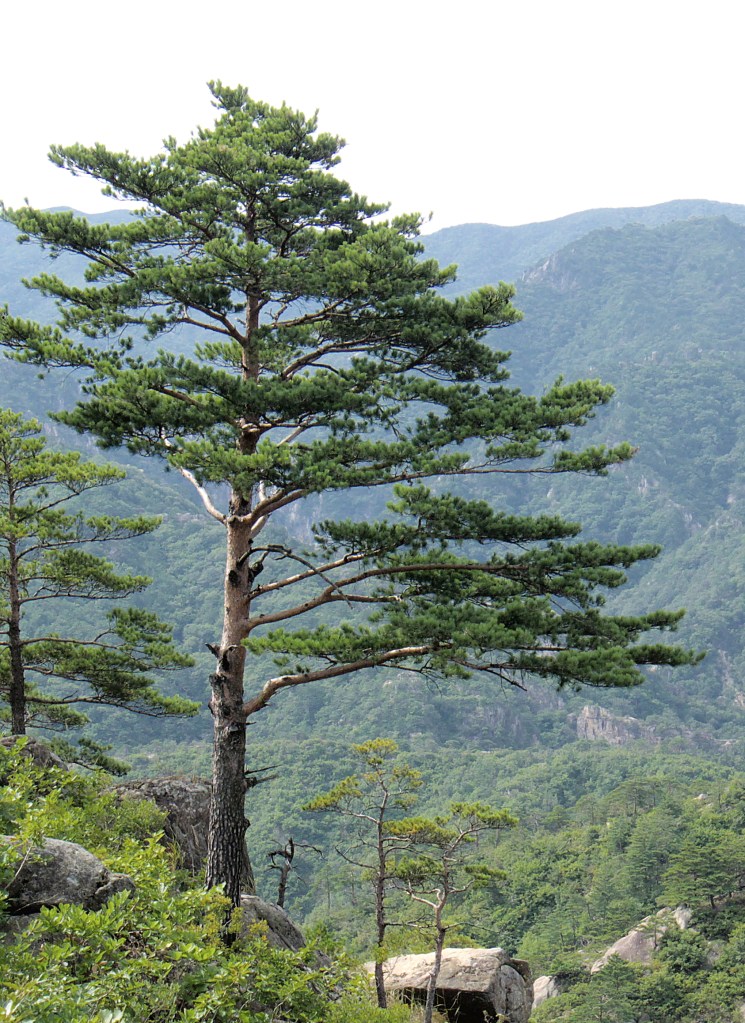
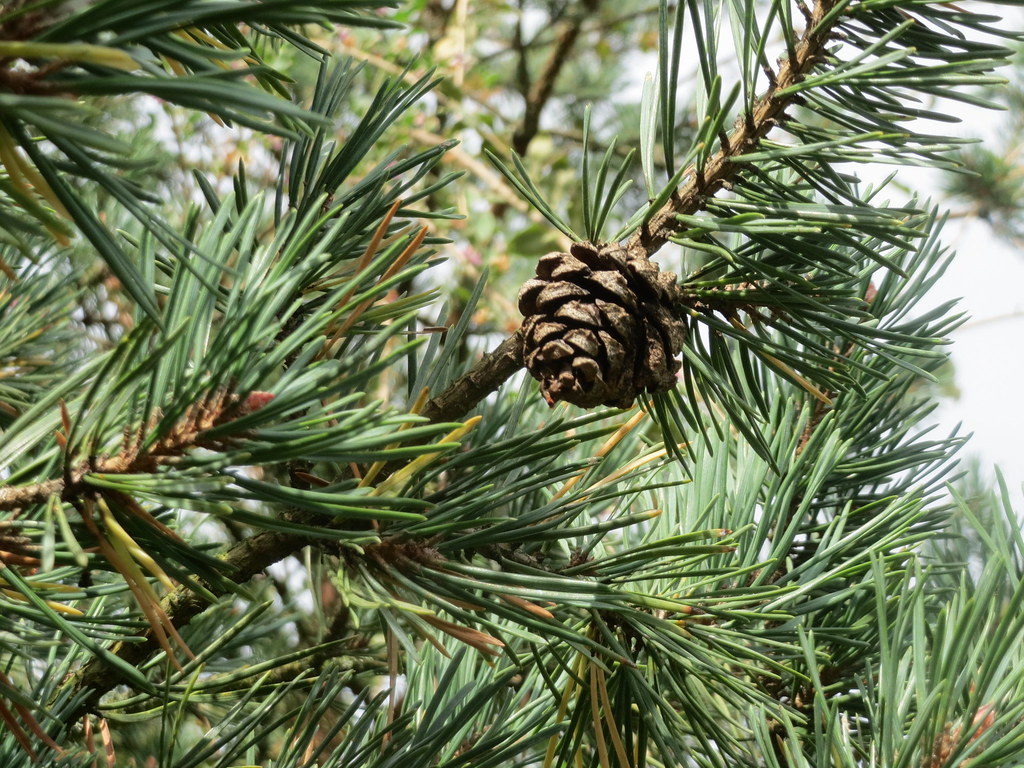
The Scots Pine (Pinus sylvestris) is a tall evergreen tree that can reach heights of up to 40 meters. It has red-brown bark, a flat crown, and long dark green needles with pointed cones. This tree has an impressive lifespan, capable of living up to 700 years. It possesses a strong taproot and widely spread lateral roots, which provide stability and make it resistant to storms.
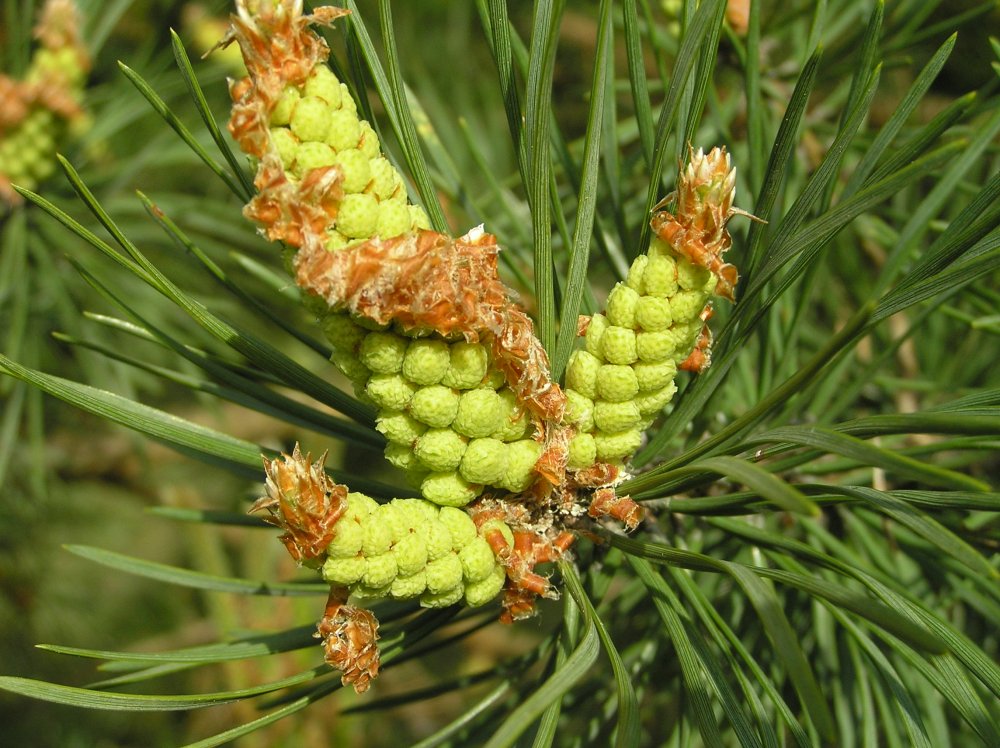
The bark of the Scots Pine starts off rough with scales and becomes thick, crusty, and brown as the tree matures. From above, the bark appears thinner, scaly, and reddish-yellow. In its youth, the tree has a conical shape that gradually transforms into a flattened umbrella-like crown as it ages. The long, twisted needles grow in pairs, and the bark exhibits deep grooves. In spring, male pollen cones emerge, while the tree is monoecious, meaning it has both male and female flowers on the same plant. The male flowers are clustered at the base of new shoots, cylindrical in shape, around 5-8 mm long, and yellow-colored, producing abundant pollen. Fertilization occurs one year after pollination, initiating the growth of the ovary, which later matures into a cone. The cone is initially green with scales and lacks spines. Upon drying and opening, winged seeds are released.
The Scots Pine is known for its resilience and ability to thrive in nutrient-poor soils and harsh conditions, including cold climates and heavy storms. It is considered a “light tree” because it allows sufficient light to penetrate through its canopy, enabling plant growth on the forest floor. However, this characteristic does not apply to densely planted cultivated forests. When growing solitarily on heathlands, the Scots Pine often develops large forms influenced by wind exposure. In forested areas, it typically produces straight trunks.
Various varieties of Scots Pine exist worldwide, including those introduced to North America from Europe. Historically, the wood of the Scots Pine was utilized for various purposes such as mine props, window frames, floors, doors, furniture, hydraulic engineering, piles, dam construction, bridge work, and shipbuilding. The tree’s seeds are dispersed by wind, which can gradually transform a heather field into a pine forest over time. The Scots Pine was present in the Netherlands during prehistoric times, became extinct, and was later reintroduced and replanted.
Ancient Times
The disinfecting properties of Scots pine have been recognized for thousands of years. Historical evidence from Egyptian papyruses reveals that extracts of Scots pine, in the form of resins and turpentine, were prescribed during the time of the pharaohs. Hippocrates, the ancient Greek physician, recommended remedies derived from this tree for treating pneumonia, while Arab doctors used it as a remedy for lung ulcers, potentially referring to tuberculous caverns.
Galen and Dioscorides, prominent figures in ancient medicine, suggested boiling pine cones with horehound and honey to alleviate coughs and cleanse the chest and lungs. In later times, it became customary to add soaked young shoots to bathwater for relieving rheumatic pains and nervous exhaustion.
According to Eastern medicine, pine oil possesses warm and dry qualities that enhance the Qi energy. It is considered one of the best oils for respiratory health, acting as an expectorant, balsamic agent, and antiseptic. When combined with thyme, eucalyptus, and tea tree oils, it is particularly effective for addressing colds and the flu.

The essential oil of Scots pine is extracted through distillation of the branches, needles, and even the wood (although of inferior quality). It is a colorless oil with a potent aroma reminiscent of balm. The oil exhibits strong antiseptic properties, aiding in the prevention of infectious diseases. It is beneficial for urinary and respiratory tract disorders and acts as a mild diuretic, making it suitable for use in lymphatic drainage. Furthermore, pine oil stimulates the adrenal cortex and gonads, provides relief for cold symptoms, and diffuses a pleasant scent when vaporized. It is commonly used as a fragrance ingredient in cosmetics, particularly in bath products, detergents, and perfumes. Additionally, turpentine essential oil is extracted from the natural resin secretion of the pine tree, known for its ability to deepen breathing. This oil stimulates the circulatory system and the kidneys, reduces uric acid in the blood, and can therefore alleviate symptoms of arthritis and rheumatic pains.
In herbal medicine, the buds of the Scots pine are harvested just before they open, usually in spring, and dried in the shade. The apples, which refer to the immature cones, are picked when still green and soft. The needles of the pine tree can be collected throughout the year for various uses.
The ancient Greeks held the pine tree in high regard, considering it a symbol of fertility, immortality, and eternity. It was particularly associated with the goddess Cybele, who had a tragic love story involving her lover Attis. Attis became unfaithful to Cybele and fell in love with the beautiful daughter of the king of Pessinus, desiring to marry her. As an act of revenge, Cybele drove Attis into madness. He ran through the mountains until he reached a pine tree, where he castrated himself and took his own life. Legend has it that the blood of Attis gave rise to the first violets, while the pine tree nurtured his spirit. Zeus intervened to prevent Attis’ flesh from decaying and aided Cybele in his resurrection.
In the Cybele cult of Phrygian peasants, a ritual was performed involving the cutting down of a pine tree (symbolizing castration), adorning it with violets, and carrying it solemnly to the shrine of Cybele on Mount Dindymus. After three days of mourning, the resurrection of Attis was celebrated. Additionally, the pine tree was also associated with Ares, the god of war. Among the Germans, it symbolized longevity, willpower, and resurrection. In ancient Egypt, the seeds of the pine tree were consumed by adding them to bread, while Native Americans consumed the young tops or incorporated them into drinks to prevent scurvy. They also burned pine twigs with cedar and juniper for spiritual purification. Swiss individuals used dried pine needles to stuff mattresses and also utilized them to alleviate rheumatism. Native American tribes relied on pine to repel fleas and lice. In certain regions of Germany and South Limburg, the pine tree was used as a maypole, where it was felled, stripped of its bark, placed near the church, and filled with sausages and hams.
Essential Oils
Steam distillation of pine needles results in the extraction of a pale yellow essential oil that possesses a fresh and resinous aroma.
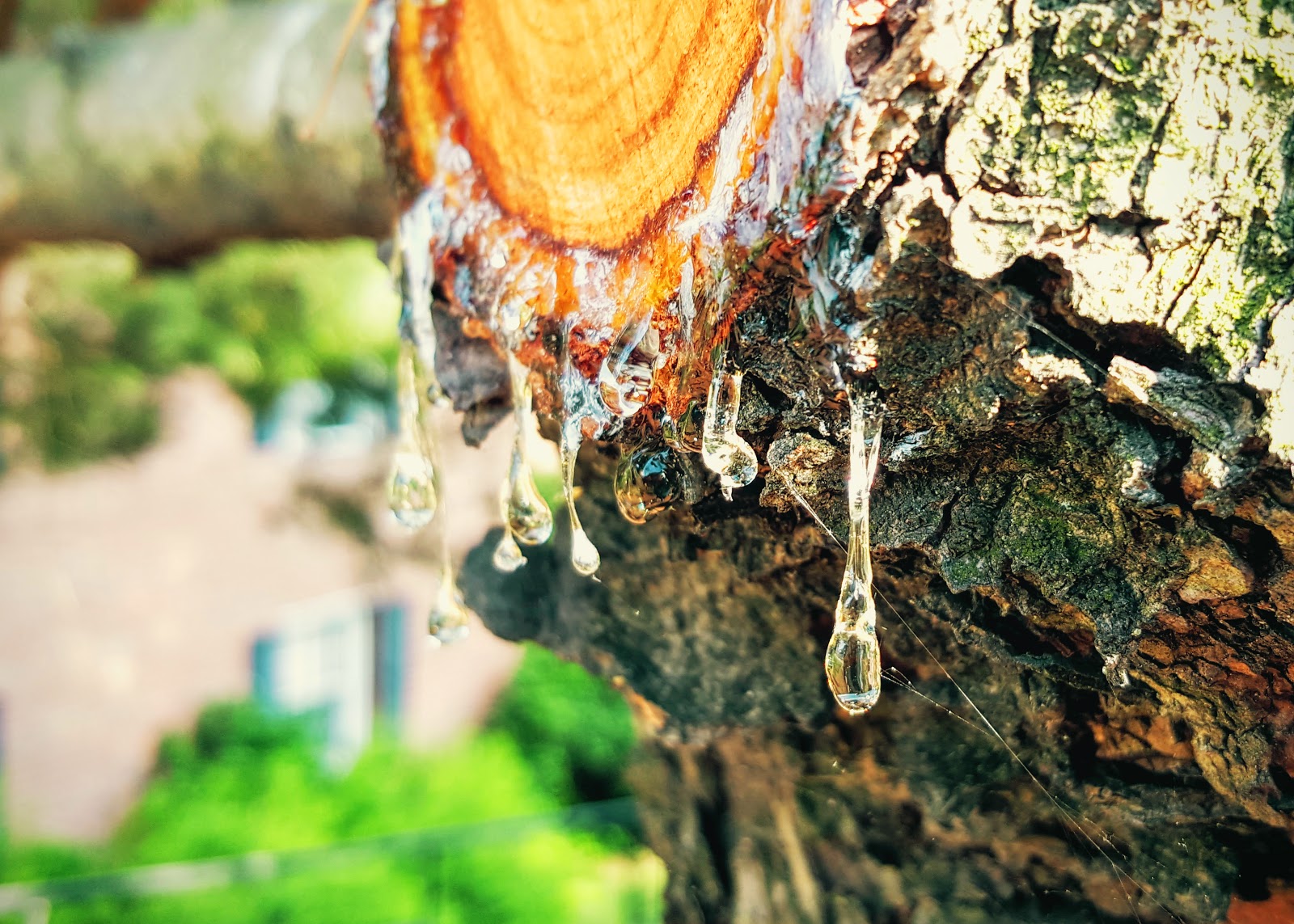
Gum turpentine is obtained through the process of steam distillation from the oleoresin of the pine tree. Turpentine oil, derived from gum turpentine, finds applications in various detergents and household products. During the production process, crude turpentine oil undergoes rectification to obtain an essential oil. This essential oil is colorless and possesses the characteristic fragrance of balsamic turpentine.
The wood of the pine tree can be used to extract a second-grade oil, which is employed in the manufacturing of soaps, bath products, air fresheners, and as a remedy for muscle pain. Additionally, the pine tree is tapped to obtain resin, which has various applications.
Dry Distillation Method
Through the process of destructive distillation or dry distillation of the pine roots, a substance known as tar is obtained. This tar is a viscous, brown-black substance and is considered impure turpentine. In veterinary medicine, this tar is used for its antiseptic, stimulant, diuretic, and diaphoretic properties. It is commonly administered to horses with chronic cough as tar water, and it can also be applied externally and internally to stimulate the skin and provide relief for conditions such as eczema and mange.
Effects and Applications
Active Ingredients: The essential oil of pine contains various components that contribute to its properties. Here are some of the main active ingredients found in pine essential oil
Monoterpenes: Monoterpenes are the predominant group of compounds in pine oil and include compounds such as (+)-a-pinene (30%-40%), a- and b-phellandrene, dipentene, a-thujene, sabinene, (-)-beta-pinene (10-25%), limonene (5-20%), l-limonene, d-limonene, cis-b-ocimene, ocimene, camphene, terpinolene, d-3-carene (15-20%), b-farnesene, delta-3-carene.
Sesquiterpenes: Pine oil also contains sesquiterpenes, which include compounds like longifolene, cadinene, d-cadinene, g-cadinene, a-amorphene, b-caryophyllene, g-murolene, a-murolene, a-humulene, humulene, a-ylangene, a- and b-copaen, chamazulene, b-elemene, d-elemene, b-guaiene, b-selinene, calacorene, chamazulene, calamene, longifolene, a-and b-phellandrene.
Monoterpenols: Some of the monoterpenols found in pine oil are borneol (2%), a-terpineol, pinitol, terpinen-4-ol, terpineol.
Sesquiterpenols: Sesquiterpenols present in pine oil include a-cadinol, d-cadinol, T-cadinol, wallolol, fenchol.
Terpenic esters: Bornyl acetate is a terpenic ester found in pine oil, typically present in amounts of 1-4% and up to 10%.
Other Components: Pine oil also contains various other compounds, including cineole, citral, b-myrcene (4.9%), cymol, a-calacorene, a-fenchene, anisaldehyde, chlorogenic acid, crypton, fenchon, anethole, estragol, camphor, phenol, cuminaldehyde, eugenol methyl ether, ferulic acid, hexan-1-ol, coumaric acid, protocatechuic acid, salicylic acid methyl ester, ascorbic acid, benzoic acid, aromatic terpenine, borneol acetate, bornyl acetate, citral, citronellal, furfural, myrcene, palmitic acid, valeric acid, vanillic acid, violaxanthin.
These compounds contribute to the distinctive aroma and potential therapeutic effects of pine essential oil.
Specific Efficacy: Pine essential oil has a range of specific effects and potential benefits. Here is a corrected and expanded list of its properties and applications
- Aphrodisiac: Pine oil is believed to have aphrodisiac properties, promoting sexual desire and arousal.
- Allergy: It may help alleviate allergy symptoms.
- Anthelmintic: Pine oil has potential worm-expelling properties.
- Antimicrobial: It exhibits antimicrobial activity, inhibiting the growth of microorganisms.
- Anti-inflammatory: Pine oil has anti-inflammatory properties, reducing inflammation in the body.
- Antidiabetic: It may have beneficial effects in managing diabetes by influencing the pituitary and pancreatic functions.
- Antineuralgic: Pine oil can help relieve nerve pain.
- Antirheumatic: It has properties that can assist in alleviating rheumatic conditions.
- Antiscorbutic: Pine oil may help prevent scurvy due to its vitamin C content.
- Antiseptic: It has antiseptic properties, particularly for the liver, urinary tract, and respiratory tract.
- Antiviral: Pine oil exhibits antiviral activity, inhibiting the growth of viruses.
- Arthritis/arthrosis: It can be beneficial for managing arthritis and arthrosis.
- Asthenia: Pine oil is known to combat physical and mental fatigue.
- Asthma: It may provide relief for asthma symptoms.
- Bactericidal: Pine oil has bactericidal properties, destroying bacteria.
- Balsamic: It has a soothing and healing effect on the respiratory system.
- Adrenal glands, stimulant: Pine oil can stimulate the adrenal glands, which produce adrenaline and corticosteroids.
- Cystitis: It may help alleviate cystitis symptoms.
- Promotes blood circulation: Pine oil can enhance blood circulation.
- Increases blood pressure: It has the potential to increase blood pressure.
- Blood cleansing: Pine oil can support the purification and cleansing of the blood.
- Promotes blood circulation: It facilitates and promotes blood circulation in the body.
- Bronchitis: Pine oil is beneficial for managing bronchitis and respiratory infections.
- Catarrh: It can assist in relieving catarrh, which is excessive mucus in the respiratory system.
- Cholagogue: Pine oil promotes the secretion and flow of bile.
- Choloretic: It stimulates the production and release of bile from the liver.
- Cordial, strengthening agent: Pine oil has a toning and strengthening effect on the body.
- Cortisone-like, pituitary, adrenal cortex: It exhibits cortisone-like effects on the pituitary and adrenal cortex.
- Deodorant: Pine oil can be used as a natural deodorant due to its pleasant scent.
- Diabetes: It may have potential benefits in managing diabetes.
- Diarrhea: Pine oil can help alleviate diarrhea symptoms.
- Diuretic: It promotes urine production and has a diuretic effect.
- Expectorant: Pine oil aids in the expulsion of phlegm and mucus from the respiratory system.
- Fungicide: It has antifungal properties, inhibiting the growth of fungi.
- Joint rheumatism: Pine oil can help relieve rheumatic pain in the joints.
- Flu: It can provide relief for symptoms associated with the flu.
- Herbicide: Pine oil has herbicidal properties, acting as a weed killer.
- Cough: It can assist in relieving cough symptoms.
- Hormone-like: Pine oil exhibits hormone-like effects on the body.
- Skin diseases: It may have benefits in managing various skin conditions.
- Hypertensor: Pine oil has the potential to increase blood pressure.
- Immune system, stimulant
Internal: For rheumatism, lung disorders, gallstones, infections, cough, respiratory and urinary tract diseases, flu, and colds, as well as to promote fluid drainage, take 2 drops of pine oil mixed with honey, dissolved in warm milk and/or herbal tea, three times a day after meals. It is also recommended to explore the benefits of Pinus cembra.
Combinations: Pine oil can be combined with cedar, sage, rosemary, niaouli, hyssop, eucalyptus, cypress, and cajeput for various applications. It also works well with lemon, juniper, lavender, marjoram, tea tree, rosemary, sage, and niaouli.
Mental: Scots pine oil has cleansing and stimulating properties, benefiting both the physical and subtle levels. It promotes a sense of well-being and energizes the user. The oil helps refresh the environment and dispel negative and unfriendly thoughts. Psychologically, it strengthens the mind, enhances optimism, restores self-confidence, combats melancholy and pessimism, and assists in dispelling negative self-image and regrets, replacing them with forgiveness. Pine oil can provide comfort during times of sadness, loneliness, and stress, while also providing strength. Vaporizing pine oil in the workplace can improve concentration. For meditation or general use, pine oil can be combined with juniper in a purifying spray to counteract negativity, crowded spaces, and after challenging meetings, among other situations.
Contraindications: Pine oil can cause skin irritation in concentrated form, so it is advisable to dilute it or use it in a base oil. It is non-toxic but should be used with caution by individuals with high blood pressure and sensitive skin. Care should also be taken with the elderly, children, and during pregnancy. Fresh oil should be used, as oxidized oil can lead to hypersensitivity.
Applications:
- For nasal congestion and colds: Mix 1-3 drops of pine oil in a bowl of hot water and inhale the vapors 2-3 times a day.
- For bronchitis and asthma: Dissolve 2 drops of pine oil (or 2 drops of pine and 3 drops each of ravensara and peppermint) in a bowl of hot water and inhale the vapors 2-3 times a day.
- For children’s cough: Vaporize 3 drops of arveden and 1 drop of thyme in the children’s room.
- For a fresh and healthy atmosphere, relief from flu, colds, bronchitis, and asthma, as well as to eliminate bad smells: Add 10 drops of pine oil to an aroma lamp. Pine oil in the aroma lamp converts positive ions into negative ions, relieving discomfort caused by air conditioning and other factors, and can be beneficial for depression. Steam baths with pine oil are also recommended for chest infections, several times a day.
 Herbal Panda