Mentha x piperita L.
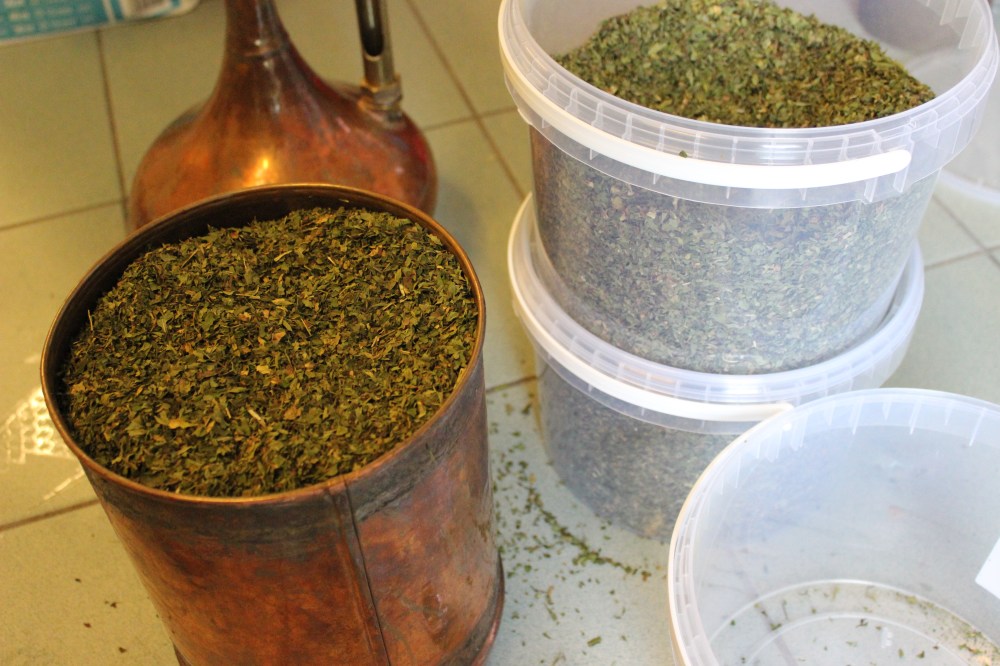
Peppermint (Mentha x piperita L.) is a well-known herb in the Lamiaceae (Labiatae) family. It is often referred to as Mentha lavanduliodora as a synonym. The flowering herb of peppermint is used for steam distillation, yielding approximately 2% to 4% of essential oil. To produce 1 kilogram of peppermint essence, around 50 kilograms of dried leaves are required.
Peppermint essential oil is characterized by its top note in fragrance, which is very dominant. While it is not extensively used in the perfume industry, it finds wide application in the food industry, oral care products, tobacco industry, and in the production of liqueurs.
There are approximately 25 to 30 known species of peppermint. The oil itself appears pale yellow or greenish in color, with a pungent minty aroma that carries hints of camphor. Over time, the aroma of the oil tends to thicken.
Peppermint is a hybrid plant resulting from the crossbreeding of two species, namely Mentha spicata (spearmint) and Mentha aquatica (watermint). This hybridization contributes to the unique characteristics and properties of peppermint essential oil.
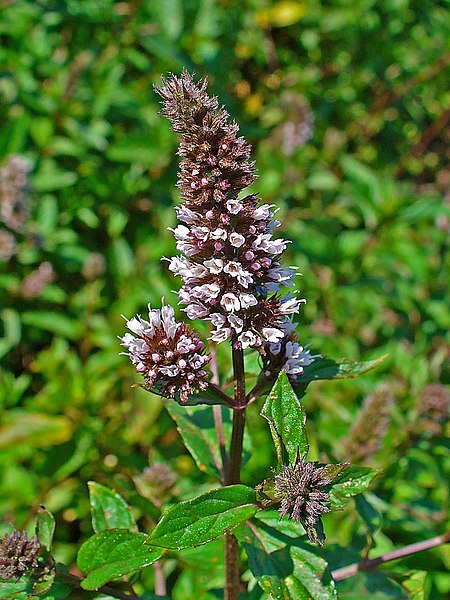
Peppermint (Mentha x piperita L.) thrives in temperate and moist areas. It is a creeping plant with a unique characteristic of its roots intertwining with the roots of other plants within the same genus. This fascinating trait gives rise to countless varieties of peppermint.
The plant features an erect and branched stem that is abundant in shoots, often displaying a reddish-purple coloration. It can reach a height of up to 50 cm. Peppermint leaves are the main part used for collection. The highest concentration of essential oil is typically found at the beginning of the flowering phase. The leaves are carefully removed from the stem by hand.
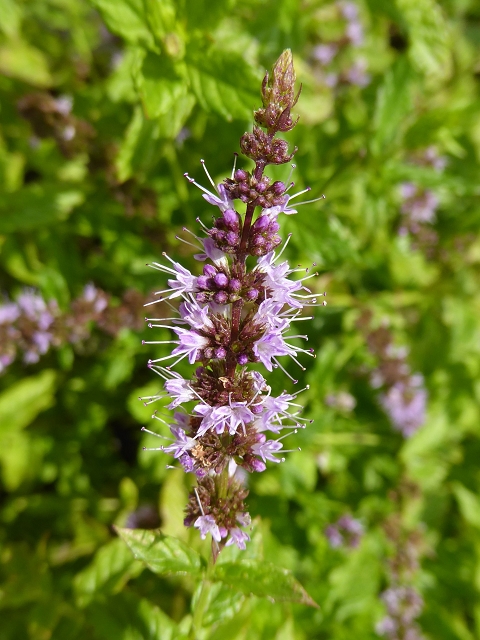
Peppermint is a perennial plant with excellent hardiness, capable of spreading rapidly. It blooms from July to September. It can adapt to both partial shade and full sun conditions. Peppermint prefers a nutrient-rich, moist soil that is well-aerated, ideally with a pH level ranging from 6 to 7.
Notably, peppermint possesses square-shaped stems and can grow up to 1 meter in height when fully mature. As a sterile plant, peppermint primarily reproduces vegetatively through offshoots or runners.
Overall, the unique growth habits and environmental preferences of peppermint contribute to its remarkable ability to thrive and propagate in diverse conditions.
In Greek mythology, Menthe was a nymph who captivated the attention of Hades, the god of the underworld. Hades admired Menthe and held her in high regard. However, Persephone, the wife of Hades, grew envious and sought to harm the nymph. To protect Menthe from Persephone’s wrath, Hades transformed her into a fragrant plant known as mint.
Since that mythical event, mint has held a symbolic association with love in both ancient Greece and Rome. In Greece, mint was regarded as a symbol of love, and this meaning carried over into ancient Rome as well. Young brides would adorn their hair with wreaths made of mint and orange blossoms, symbolizing their love and purity. Furthermore, the bridal chamber was often adorned with mint, covering the floor to create an atmosphere of fragrant bliss for the newlyweds’ night of happiness.
Throughout history, the story of Menthe’s transformation into mint has left an enduring cultural imprint, associating this aromatic herb with love, romance, and culinary enjoyment.
According to astrologers, mint is associated with the astrological sign of Mercury. In astrology, Mercury is believed to stimulate brain activity and memory. When faced with the need to study intensively or take exams, drinking mint tea for a few days is believed to have beneficial effects on the results. Mint has been held in high esteem throughout history. In the Bible, it is mentioned that the Pharisees collected tithes from various herbs, including mint, cumin, and dill. Mint was also traditionally scattered on the floors of Jewish synagogues and Italian churches.
Mint is renowned for its diverse medicinal properties and has a long history of use as a versatile herbal remedy. It is considered effective in soothing a hoarse throat when consumed as a lukewarm mint decoction. Additionally, it is one of the most widely used and oldest medicinal herbs known, with applications ranging from alleviating inflamed gums and combating cramps to aiding digestion and relieving tension when consumed as a hot tea. Mint is also used as a remedy for nausea by placing a few drops of mint oil in a spoon of honey.
In the realm of respiratory health, mint finds extensive use in liniments for colds, as it can be rubbed onto the chest to provide relief and help clear the airways of excess mucus. It is also a common ingredient in cough lozenges. For migraine relief, mint ointment can be gently applied to the temples and massaged.
Mentha piperita, a highly aromatic mint variety, is widely employed in various industries, including pharmaceuticals, food, confectionery, liqueur distilleries, and cosmetics. This specific strain, Mentha x piperita, finds application in perfumery, particularly in fresh fragrances and sporty eaux, often targeted at men. Its refreshing and disinfecting properties make it a sought-after ingredient. As a natural toothpaste, a mixture of green clay with a few drops of peppermint oil is regarded as beneficial, promoting oral hygiene and freshening breath. Moreover, mint is believed to enhance concentration and stimulate creativity.
Throughout history, mint has remained a treasured herb with numerous applications in diverse fields, owing to its pleasant aroma and versatile therapeutic properties.
Peppermint is a widely distributed plant found across the globe and has been recognized for its medicinal properties since ancient times. It was well-known to the Egyptians, Greeks, and Romans as a remedy for digestive complaints. Its usage can be traced back to the thirteenth century, as it was mentioned in the Icelandic Pharmacopea. However, it was only in the middle of the nineteenth century that peppermint became commonly used for medicinal purposes in Western Europe.
The essential oil of peppermint is extracted through traditional water vapor distillation of the leaves and flowering tops, which may be partially dried before the distillation process. The oil is primarily located on the underside of the leaves. It undergoes rectification and fractionation to meet the requirements of various industries such as food, toothpaste, mouthwash, and chewing gum production.
The timing of the harvest is crucial to ensure a maximum concentration of active ingredients in the plant. Peppermint is a succulent plant, and its crop yield rapidly decreases if subjected to physiological or pathological stress. Therefore, proper care is taken to prevent crushing of the leaves during harvesting. The harvested plant is cut and placed into a distillation vessel, through which wet or heated steam is passed. Subsequently, the water and oil are condensed and separated. The resulting essential oil is typically colorless to pale yellow, and its viscosity tends to increase over time. The production costs of peppermint oil are relatively high, partly due to the plant’s vegetative reproduction through offshoots.
Peppermint’s long history and complex production process highlight its significance as a valuable medicinal and aromatic plant.
Healing Benefits
Peppermint essential oil, also known as the essence, possesses several beneficial properties for the mind and body. It is considered a cephalic oil, meaning it strengthens the brain and promotes clear thinking, refreshing the mind. Alongside oils like lemon, lemongrass, basil, and rosemary, peppermint oil is known for its ability to improve concentration, combat mental fatigue, and enhance memory. It acts swiftly in acute cases, providing relief for symptoms such as dizziness, palpitations, shock, and weakness. It is particularly effective in treating headaches and tension in the neck region. The warming effect of mint oil helps relieve cramps and aids digestion. It stimulates bile secretion and promotes the flow of bile, making it beneficial for digestive health. Peppermint oil also possesses antiseptic properties and acts as an expectorant, making it useful for managing flu and cold symptoms. Combining it with oils like eucalyptus and tea tree can yield even better results. Additionally, mint oil stimulates lymph flow, helping to alleviate tissue congestion. It’s important to use caution when applying mint oil near the eyes, as it may cause irritation.
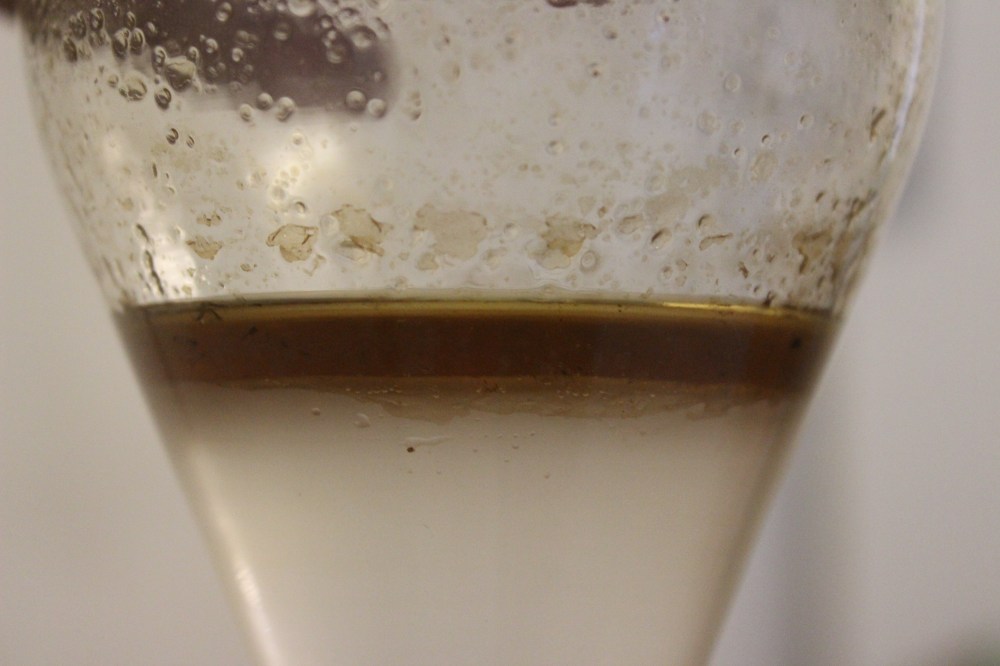
When using mint oil in topical applications, it should not exceed a concentration of 1% when dissolved in fatty oils. This translates to 1 ml of mint oil per 100 ml of base oil. Prolonged use of mint oil should not exceed three weeks; after this period, it is advisable to discontinue use.
Peppermint extracts also have a mild sedative effect. When used internally, peppermint oil can provide relief for various abdominal discomforts, including nausea, morning sickness, indigestion, stomach flu, stomach ulcers, influenza, colds, and nasal congestion. Externally, the essential oil can be beneficial for respiratory infections, burns, catarrh, and itching. It has been found to alleviate headaches and improve concentration. Peppermint oil can also be used in massage oils to relieve muscle pain.
It is important to note that Mentha x piperita, the species of peppermint, should not be used in baths. This is because mint oil selectively stimulates the cold nerves in warm water and the heat nerves in cold water, which can create a sensation of nonexistent cold or heat, leading to discomfort.
Furthermore, the strong scent of peppermint is disliked by unwanted animals. Therefore, the oil can be combined with eucalyptus oil to repel mice, rats, cockroaches, and other pests.
Peppermint oil’s versatility and multitude of benefits make it a valuable tool for promoting both mental and physical well-being.
Peppermint contains a variety of compounds that contribute to its medicinal properties. Some of the key constituents found in the plant include:
- Essential oil: Peppermint essential oil is the primary component and is responsible for its characteristic aroma and therapeutic effects.
- Menthol: This compound provides the cooling sensation and minty aroma associated with peppermint. It is present in high concentrations and contributes to many of its medicinal properties.
- Tannins: Peppermint contains tannins, which are polyphenolic compounds known for their antioxidant and astringent properties.
- Enzymes: Various enzymes are found in peppermint, which play a role in its biochemical processes.
- Flavonoids: Peppermint contains flavonoids such as rutin and menthoside, which are known for their antioxidant and anti-inflammatory effects.
- Bitter substances: These compounds contribute to the characteristic bitter taste of peppermint and may have digestive benefits.
- Choline: Choline is a nutrient that is important for brain health and function. It is found in small amounts in peppermint.
- Carotenes: Peppermint contains carotenes, which are precursors to vitamin A and have antioxidant properties.
- Rosmarinic acid: This compound has antioxidant and anti-inflammatory properties and is found in varying amounts in peppermint.
Peppermint’s composition can vary depending on different clones and growing conditions. It contains a range of monoterpenes, sesquiterpenes, non-terpenic alcohols, monoterpenols, monoterpenones/ketones, terpenic acids, terpenic esters, coumarins, and sulfur-containing substances. These compounds contribute to the diverse therapeutic effects of peppermint, including its ability to relieve pain, reduce inflammation, promote digestion, and provide a cooling sensation.
It’s important to note that the specific concentrations of these compounds can vary depending on factors such as plant genetics, growing conditions, and extraction methods. This variability contributes to the complexity and versatility of peppermint as a medicinal herb.
Therapeutic properties
Peppermint oil exhibits a wide range of therapeutic properties and can be used for various purposes. Some of its specific efficacies include:
- Acne: Peppermint oil helps in the treatment of acne due to its astringent properties.
- Analgesic: Peppermint oil is a potent analgesic and can provide relief from headaches, migraines, neuralgia, and sciatica.
- Anesthetic: The oil has anesthetic properties and can act as a local anesthetic for pain relief.
- Anthelmintic: Peppermint oil possesses anthelmintic properties, making it useful in combating intestinal worms.
- Antibacterial: Peppermint oil has antibacterial properties, making it effective against various bacterial infections.
- Anticatarral: Peppermint oil helps in reducing excessive mucus and congestion in the respiratory system.
- Anticonvulsant: Peppermint oil exhibits anticonvulsant properties and may help in managing seizures.
- Antifungal: Peppermint oil is effective against fungal infections, including ringworm and skin infections.
- Anti–inflammatory: Peppermint oil has anti-inflammatory properties and can be beneficial in conditions such as bronchitis, colitis, cystitis, eczema, enteritis, gastritis, hepatitis, laryngitis, sinusitis, and urticaria.
- Antimicrobial: Peppermint oil possesses antimicrobial properties, which help in combating various microorganisms.
- Antiparasitic: Peppermint oil is effective against parasites and can be used as an antiparasitic agent.
- Antipyretic: Peppermint oil has antipyretic properties and can help in reducing fever.
- Antiseptic: Peppermint oil acts as an antiseptic and can be used to clean and disinfect wounds.
- Antispasmodic: Peppermint oil has strong antispasmodic properties and can provide relief from colic, spasms, and cramps.
- Antiviral: Peppermint oil exhibits antiviral properties and can be beneficial in conditions such as herpes zoster, hepatitis, and neuritis.
- Asthenia: Peppermint oil can help combat physical and mental fatigue.
- Bactericidal: Peppermint oil has bactericidal properties and can help in killing bacteria.
- Cardiac: Peppermint oil can enhance heart function and act as a heart tonic.
- Carminative: Peppermint oil helps in relieving flatulence and can aid in digestion.
- Cephalic: Peppermint oil stimulates the brain, promotes clear thinking, and enhances concentration.
- Cholagogue: Peppermint oil stimulates the flow of bile from the gallbladder.
- Choleretic: Peppermint oil promotes the production and release of bile from the liver.
- Cordial: Peppermint oil acts as a general tonic and stimulant.
- Diuretic: Peppermint oil increases urine production and can help in promoting detoxification.
- Emmenagogue: Peppermint oil can stimulate menstruation and regulate menstrual cycles.
- Expectorant: Peppermint oil helps in clearing mucus and promotes expectoration in respiratory conditions such as bronchitis and asthma.
- Febrifuge: Peppermint oil has febrifuge properties and can help in reducing fever.
- Gallbladder problems: Peppermint oil can support the health and function of the gallbladder.
- Halitosis: Peppermint oil can help in freshening breath and combating halitosis.
- Hepatic: Peppermint oil supports liver health and can be beneficial in conditions such as cirrhosis and jaundice.
- Herpes Zoster: Peppermint oil can provide relief from symptoms associated with viral cough and herpes zoster.
- Headache: Peppermint oil is highly effective in relieving headaches.
- Hormone–like: Peppermint oil exhibits hormone-like effects and can help regulate menstrual cycles and manage symptoms such as irregular periods and hot flashes.
- Skin inflammation: Peppermint oil can help reduce inflammation in the skin.
- Hypertensor: Peppermint oil can help regulate blood pressure in cases of hypotension.
- Indigestion: Peppermint oil aids digestion and can provide relief from indigestion, nausea, and irritable bowel syndrome.
- Infectious diseases: Peppermint oil can help combat various infectious diseases.
- Insecticide: Peppermint oil, when combined with eucalyptus oil, can be used as an insect repellent against mosquitoes, mice, rats, and cockroaches.
- Irritable colon: Peppermint oil has a soothing effect on the digestive tract and can help alleviate symptoms of irritable colon.
- Sciatica pain: Peppermint oil can provide relief from sciatic nerve pain.
- Itching: Peppermint oil has a cooling effect and can help alleviate itching.
- Calming: Peppermint oil has calming properties and can help soothe skin irritations, rashes, and redness.
- Colic: Peppermint oil acts as an antispasmodic and can provide relief from colic, particularly in the digestive tract.
- Low blood pressure: Peppermint oil can help regulate blood pressure in cases of hypotension.
- Laryngitis: Peppermint oil can help reduce inflammation and soothe the throat in cases of laryngitis.
- Liver congestion: Peppermint oil can help alleviate liver congestion.
- Liver failure: Peppermint oil has been found to support liver function in cases of liver failure.
- Respiratory problems: Peppermint oil can provide relief from respiratory issues such as congestion and difficulty breathing.
- Stomach complaints: Peppermint oil can help alleviate various stomach complaints.
- Migraine: Peppermint oil is highly effective in relieving migraine headaches.
- Nausea: Peppermint oil can help alleviate nausea and vomiting.
- Mucolytic: Peppermint oil promotes the thinning and expulsion of mucus from the respiratory system.
- Nervinum: Peppermint oil has a soothing effect on the nerves and can help alleviate nervousness and anxiety.
- Neuritis: Peppermint oil can provide relief from viral neuritis.
- Neurotonic: Peppermint oil acts as a nerve tonic and can help alleviate symptoms such as apathy, nervous vomiting, motion sickness, palpitations, and vertigo.
- Neurovegetative dystonia: Peppermint oil can help regulate the autonomic nervous system and alleviate symptoms of neurovegetative dystonia.
- Nasal inflammation: Peppermint oil can help reduce inflammation in the nasal passages.
- Renal colic: Peppermint oil can provide relief from the pain associated with renal colic.
- Impotence / faintness: Peppermint oil may help in managing symptoms of impotence or faintness.
- Anti-inflammatory: Peppermint oil exhibits anti-inflammatory properties and can help reduce inflammation in the intestines and urinary tract.
- Ear infection: Peppermint oil can provide relief from ear infections and inflammation.
- Vomiting: Peppermint oil can help alleviate vomiting.
- Overstrain: Peppermint oil can help in relieving fatigue and overexertion.
- Pancreatic insufficiency: Peppermint oil can aid in improving pancreatic function in cases of insufficiency.
- Paradentosis: Peppermint oil can help in the treatment of paradentosis, a condition affecting the gums.
- Analgesic: Peppermint oil is highly effective as a pain reliever.
- Prostatitis: Peppermint oil can help alleviate symptoms associated with prostatitis.
- Rhinitis: Peppermint oil can provide relief from nasal inflammation and congestion.
- Ringworm: Peppermint oil is effective in treating ringworm infections.
- Scabies: Peppermint oil can help in the treatment of scabies, a parasitic skin infestation.
- Sinusitis: Peppermint oil can help alleviate symptoms associated with sinusitis.
- Insomnia: Peppermint oil can help promote relaxation and alleviate insomnia.
- Expectorant: Peppermint oil promotes expectoration and can help alleviate respiratory conditions such as bronchitis.
- Muscle pain: Peppermint oil can provide relief from muscle pain and soreness.
- Spasmolytic: Peppermint oil has strong spasmolytic properties and can help alleviate spasms and cramps, acting as a calcium antagonist.
- Stimulant: Peppermint oil acts as a stimulant for the liver, heart, uterus, and pancreas.
- Stomachic: Peppermint oil aids in digestion and can help alleviate stomach-related issues.
- Stress: Peppermint oil has a calming effect and can help alleviate stress and tension.
- Larynx: Peppermint oil can provide relief from laryngeal discomfort.
- Sudoriferic: Peppermint oil promotes sweating and can help in eliminating toxins through perspiration.
- Toothache: Peppermint oil can provide relief from toothache.
- Uterotonic: Peppermint oil can help during childbirth and act as a uterine tonic.
- Anesthetic: Peppermint oil is a potent anesthetic and can provide relief from pain.
- Colds: Peppermint oil can help alleviate symptoms of the common cold.
- Fatigue: Peppermint oil can help alleviate fatigue and increase alertness.
- Vertigo: Peppermint oil can provide relief from dizziness and vertigo.
- Viricide: Peppermint oil exhibits viricidal properties and can help combat viruses.
- Windswept: Peppermint oil can provide relief from chapped skin and chilblains.
- Tonic: Peppermint oil acts as a tonic for various organs and systems, including the liver, brain, nervous system, heart, urinary tract, intestine, and digestion.
- Vasoconstrictor: Peppermint oil has vasoconstrictive properties and can help in reducing blood vessel dilation.
- Vermifuge: Peppermint oil can help in expelling intestinal worms.
- Wound healing: Peppermint oil aids in wound healing, particularly for difficult-to-heal wounds.
- Nerve pains: Peppermint oil can help alleviate nerve pain.
- Nervous system: Peppermint oil helps regulate and calm the vegetative nervous system.
- Ulcers: Peppermint oil can aid in the healing of ulcers.
- Purifying: Peppermint oil can help purify the blood.
It’s important to note that the specific efficacy and extent of these properties may vary depending on factors such as the individual’s condition, dosage, and method of application.
Applications
This oil is Not suitable for babies and children. Some people may experience side effects such as headache, flushing. Use a very low dose in case of skin irritations. Cephalic, strengthens circulation in the head and where it is applied topically externally. The University of Kiel 1996 compared the analgesic effects of Mentha x piperita with paracetamol in people with tension headaches and found that 10% of the oil in ethanol had the same effect as 1000 mg of paracetamol and led to the development of the preparation Euminz. Menthol’s efficacy is greater when used in its “whole” state, as an integral part of the essential oil, as with many essential oils.
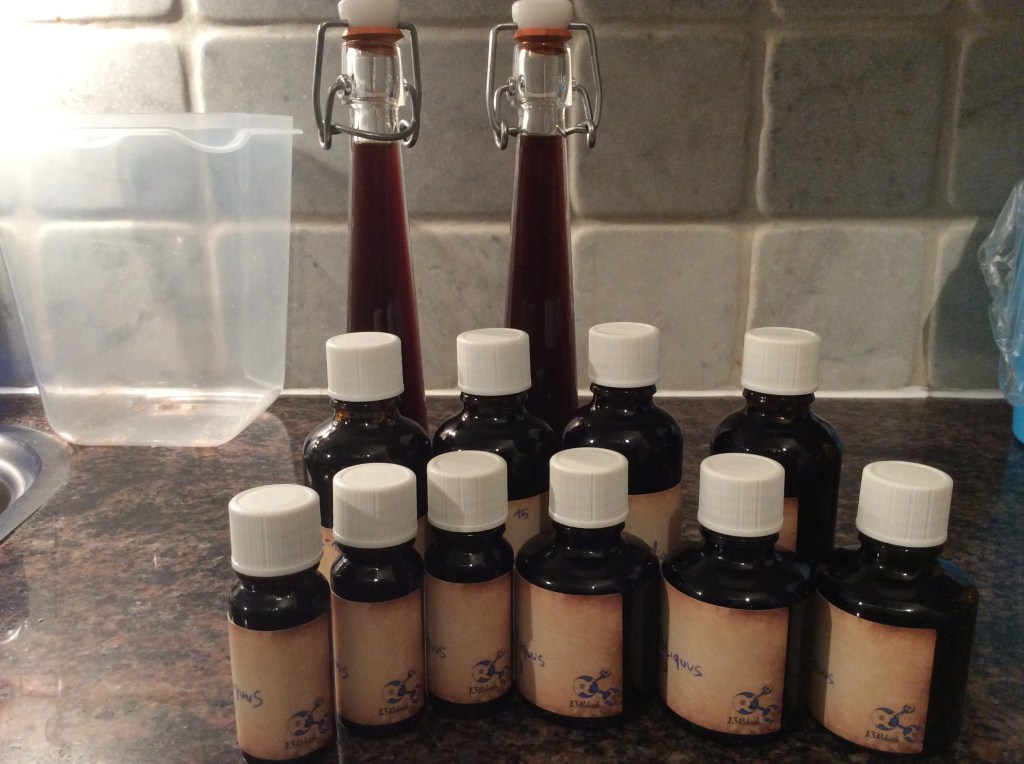
Internal use: Peppermint oil can be used internally for various conditions such as bad breath caused by stomach issues, intestinal gas, lack of appetite, hiccups, headache, migraine, menstrual pain, nausea, bloating, recovery from illness, flatulence, motion sickness, ascaris (intestinal worms), fears, and nervous breakdown. The recommended dosage is 3 drops, three times a day after meals. You can dissolve the oil in honey or on a sugar cube and combine it with mint tea for consumption.
Combinations: Peppermint oil can be combined with other teas or essential oils such as benzoin, bergamot, lemon, eucalyptus, marjoram, grapefruit, lavender, rosemary, and other mints for enhanced effects.
Mental use: Peppermint oil has a cephalic effect, promoting memory and concentration. It is beneficial for relieving tension, stress, headaches, and psychological neck pain. It can be used in evaporators during periods of intense mental work, mental exhaustion, and overstrain. Peppermint oil also has an effect on the ego, helping to dispel feelings of pride, self-importance, and inferiority complexes. It is associated with cleanliness and has a calming effect on stress.
Contraindications: Peppermint oil may negatively interact with the effects of homeopathic medicines, so it is advised not to use them together. It is generally recommended to avoid internal use in children up to 12 years old. It is not suitable for use during pregnancy and lactation. Menthol, the main component of peppermint oil, can potentially cause headaches, and spasms of the vocal cords. Peppermint oil is toxic and irritating in high concentrations, so long-term internal use should be avoided.
Applications:
- For bad breath: Apply 1 drop of peppermint oil on a toothbrush and brush twice a day. Alternatively, you can use toothpaste made with green clay and 5 drops of peppermint oil.
- For headaches and migraines: Apply 2 drops of peppermint oil to the temples, using a carrier oil to dilute it.
- For mosquito nuisance: Sprinkle 2-3 drops of peppermint oil on the pillow before going to sleep, taking care to avoid contact with the eyes.
- For toothache: Apply 1 drop of peppermint oil directly on the painful tooth.
- Inhalation: Add a few drops of peppermint oil to a car diffuser to increase concentration while driving.
- For asthma: Peppermint oil’s antispasmodic properties make it valuable for steam baths. Add 1-4 drops of peppermint oil to a bowl of hot water and inhale the steam for 10 minutes.
 Herbal Panda
You must be logged in to post a comment.