Hypericum perforatum
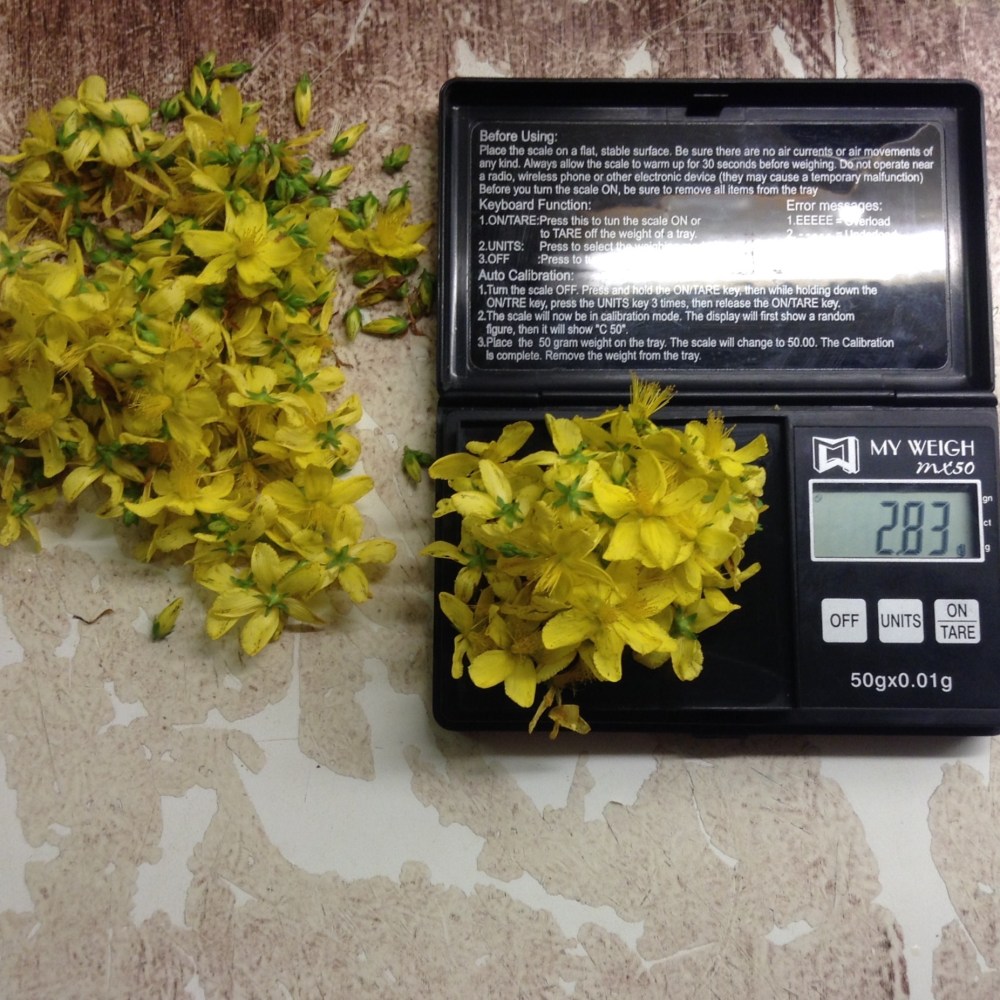
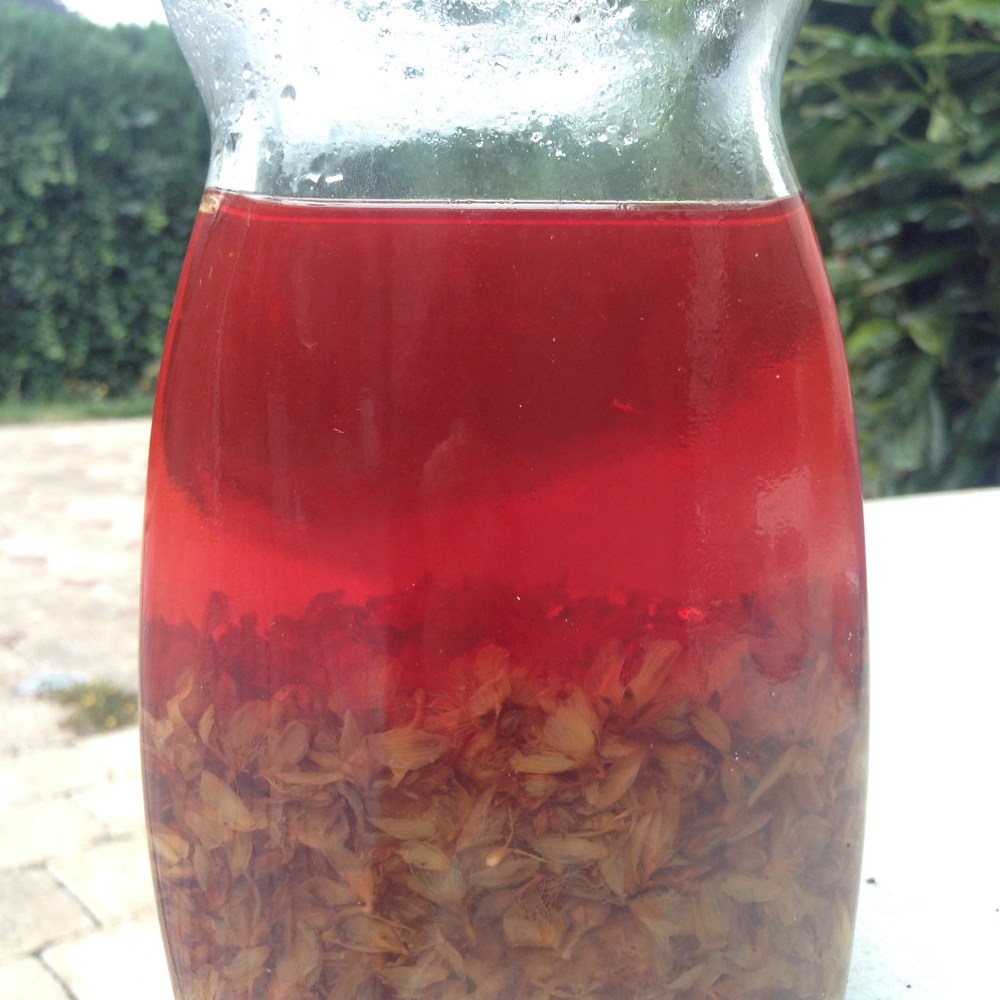
Hypericum perforatum, commonly known as St. John’s wort, is a flowering plant belonging to the Guttiferae family. In France, the fresh flower heads or flowering tops of St. John’s wort are macerated in olive oil. The resulting macerate should have a deep red color, which indicates its quality. The macerate can be used undiluted or added up to 25% to a base oil.
St. John’s wort is native to Europe and Asia and can be found in temperate regions worldwide. It grows along roadsides, railway lines, dry grasslands, and the edges of pine forests. This perennial plant can reach a height of up to 60 cm and has woody stems with numerous rhizomes. Its yellow flowers bloom from June to September. The petals of the flowers contain oil glands that produce essential oils, resins, and hypericin, which gives them their red color. Hypericin has been found to possess antiviral properties and has been studied for its potential use against HIV.
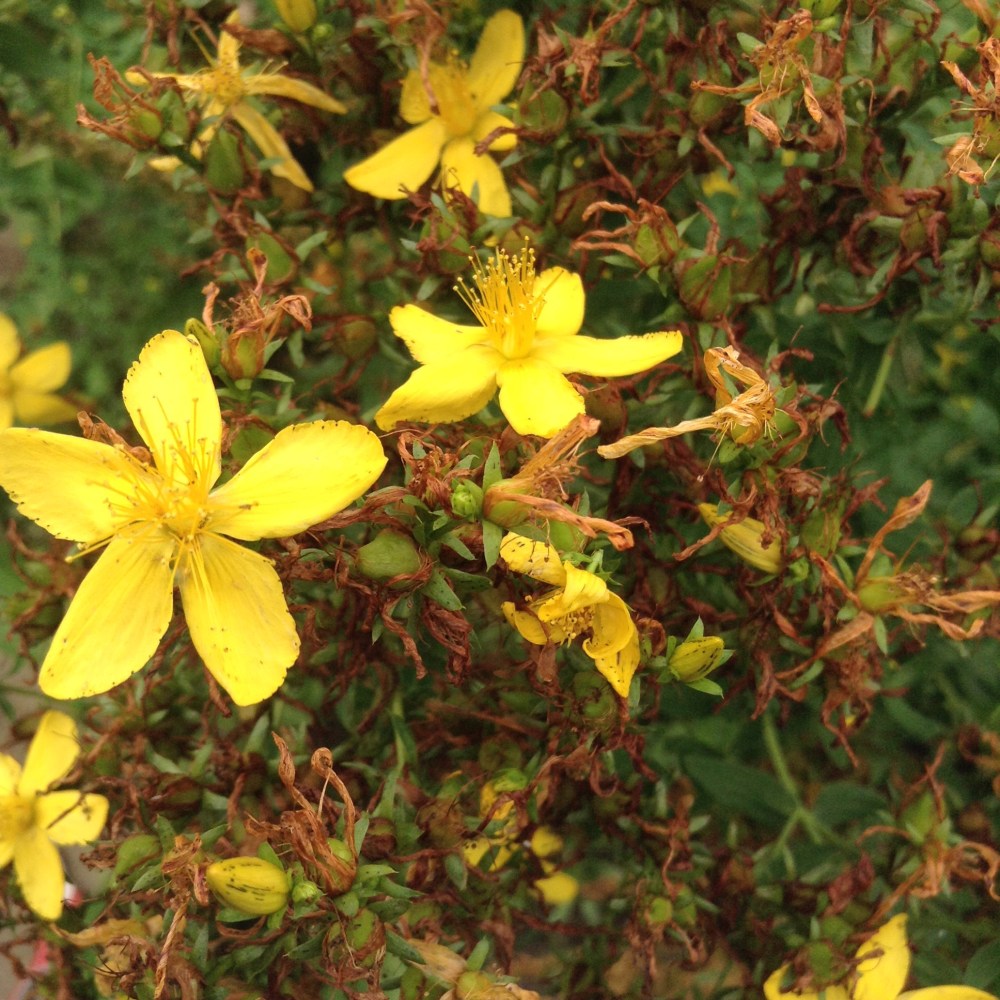
St. John’s wort contains various active ingredients, including:
- Dianthrone derivatives: These include hypericin, pseudohypericin, and proto-hypericin, which have antidepressant and antiviral properties.
- Tannins: Specifically, catechin, which has antiviral and anti-inflammatory properties.
- Flavonoids: Hyperoside, biapigenin, quercetin, and rutin are examples of flavonoids present in St. John’s wort. They contribute to the plant’s analgesic, sedative, and anti-inflammatory effects.
- Xanthones: These compounds have antiviral, antidepressant, and antibiotic properties.
- Coumarins: Umbelliferone and scopoletin are examples of coumarins found in St. John’s wort.
- Phloroglucinol derivatives: Hyperforin is a significant phloroglucinol derivative in St. John’s wort, known for its antibacterial properties.
Additionally, St. John’s wort contains an essential oil composed of monoterpenes and sesquiterpenes, which contribute to its characteristic aroma and potential therapeutic effects. The plant also contains carotenoids and phytosterols, such as b-sitosterol.
It’s important to note that St. John’s wort can interact with certain medications and may not be suitable for everyone. Consulting a healthcare professional before using St. John’s wort is advised, especially if you are taking prescription medications or have underlying health conditions.
When using St. John’s wort internally, it is important to coordinate its use with other medications, as it can interact with certain drugs and potentially reduce their effectiveness. St. John’s wort should not be used in combination with chemotherapy. Additionally, prolonged exposure to strong sunlight should be avoided when using St. John’s wort topically, as it can increase sensitivity to sunlight.
The shelf life of St. John’s wort macerate is approximately one year. If it is not used frequently, it is recommended to store it in the refrigerator to maintain its quality.
St. John’s wort is known for its various therapeutic properties and can be used for the following purposes:
- Wound healing: St. John’s wort has soothing properties and can help with the healing process of wounds, including burns, sunburn, and superficial abrasions.
- Antibacterial and analgesic: It possesses antibacterial properties and can help alleviate pain associated with wounds and injuries.
- Calming and nerve pains: St. John’s wort has a calming effect and can be beneficial for nerve-related pains, such as neuralgia, lumbago, and sciatica.
- Anti-inflammatory: It exhibits anti-inflammatory effects, making it useful for reducing inflammation associated with various conditions.
- Gastritis and stomach ulcer: St. John’s wort may help with gastritis and stomach ulcers when taken internally. It is recommended to take it three times a day with a teaspoon.
- Antispasmodic and blood circulation promotion: St. John’s wort has antispasmodic properties and can help improve blood circulation. It can be used in combination with essential oils like helichrysum and calendula macerate to promote blood circulation and aid in the healing of bruises.
- Hemorrhoids, cracked nipples, and leg ulcers: St. John’s wort can be beneficial for treating hemorrhoids, cracked nipples (when used topically), and leg ulcers. For leg ulcers, it can be applied as a gauze compress soaked in the macerate directly on the wound.
- Slow and difficult-to-heal wounds: St. John’s wort may assist in the healing process of slow and difficult-to-heal wounds.
- First-degree burns: When combined with lavender oil, St. John’s wort can help in the treatment of first-degree burns.
- Rheumatic pains, muscle, and joint pain: It can be used to alleviate rheumatic pains, as well as muscle and joint pain.
- Baby care and diaper rash: St. John’s wort is suitable for baby care and can be used to soothe and treat diaper rash.
- Red, irritated skin: It can help calm red and irritated skin.

 Herbal Panda