Hydrosol
The term “hydrosol” was coined by Jeanne Rose in 1990. It originates from the Latin words “hydro” meaning water, and “sol” meaning solution. A hydrosol is a water-based solution that contains the hydrophilic (water-loving) components of a distillate.
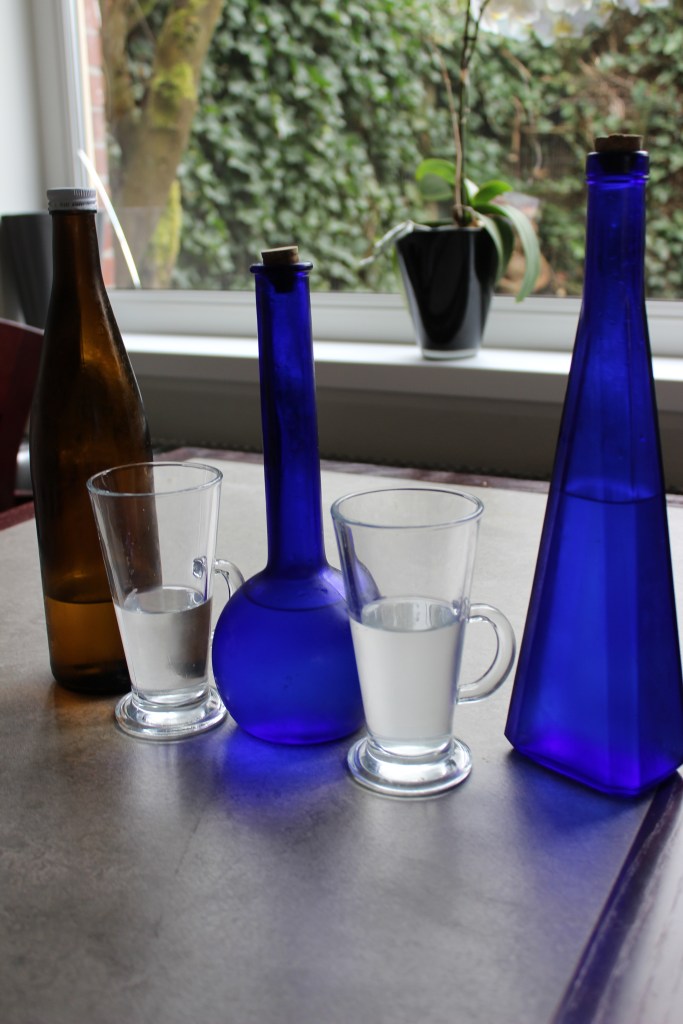
Hydrosols, also known as hydrolates, are either the by-product or the main product of steam, water, or hydrodistillation processes. They contain water-soluble, volatile components of plants, which contribute to their scent, although usually less intense compared to essential oils or sometimes even without a noticeable scent. This is because hydrosols only contain trace amounts of essential oil. The aroma and flavor of hydrosols are determined by the water-soluble, hydrophilic components present in the plant material. Hydrosols are concentrated extracts, approximately 20-30 times stronger than a cup of herbal tea. It is possible to enhance the strength of a hydrosol by adding one drop of essential oil, which reintroduces the lipophilic (oil-loving) components of the plant that were distilled. Water distillation techniques were already known in the Middle Ages, primarily for producing aromatic waters for the benefit of noblewomen and the wealthy.
During this time, little attention was given to the precious essential oils that were also extracted, and they were often left unused. Instead, essential oils were macerated in vegetable oil. It wasn’t until 1507 that Hiëronymus Brunschwig wrote the “Liber De Arte Distillandi,” which discussed four essential oils. The popularity of essential oils grew while hydrosols faded into the background due to various reasons: lack of familiarity with the chemistry involved, the low price of hydrosols, logistical challenges and high transportation costs from distant countries, limited shelf life, considering them as waste products of distillation, inadequate technical equipment and water quality, lack of knowledge about their applications, the emergence of synthetic chemicals, and more..
Quality
Currently, hydrosols are experiencing a resurgence in popularity, and they are being produced from almost all types of essential oils, either as by-products or as the main focus of production.
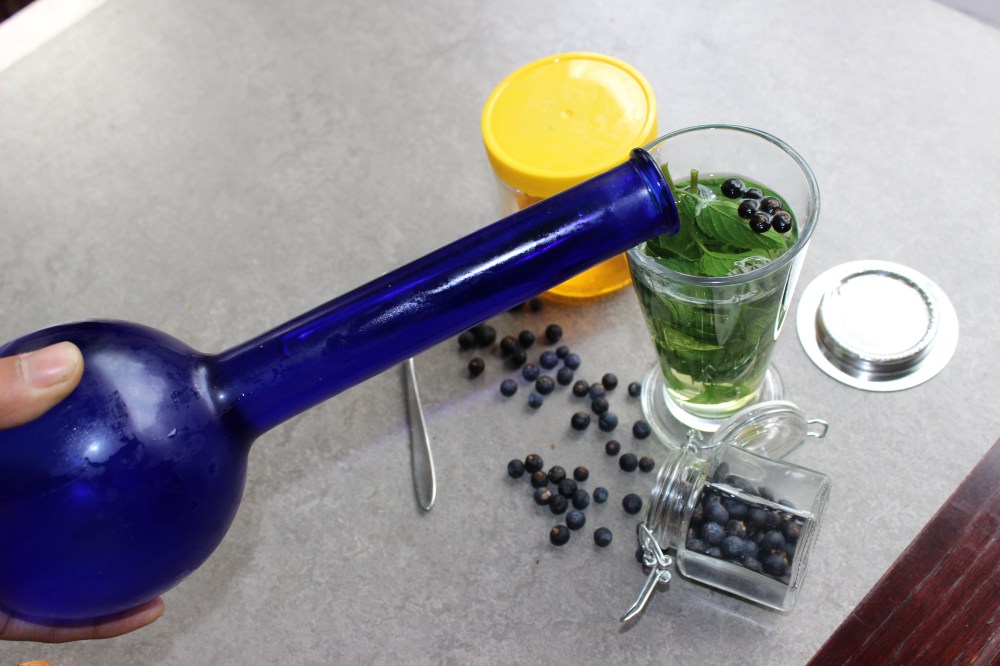
When it comes to understanding your hydrosol, there are several important factors to consider:
- Plant Material: It is essential to know the details about the plant material used in the production of the hydrosol. This includes information such as the soil type, country of origin, harvest time, and climate conditions.
- Water Quality: The quality and source of the water used in the distillation process are crucial. It should be clean and free from any contaminants.
- Species and Latin Name: The specific species and Latin name of the plant used should be known to ensure accuracy and authenticity.
- Distillation Method: It is important to know the method of distillation employed, whether it is steam distillation, water distillation, or hydro distillation.
- By-Product or Main Product: Determine whether the hydrosol is a by-product of the distillation process or if it is the primary focus of production.
- Containers and Storage: Ensure that the containers used for storing the hydrosol are clean, preferably sterilized and rinsed with water. Proper storage temperature is also important for maintaining the hydrosol’s quality.
- pH Level: The pH of a hydrosol should typically be between 5 and 6 If the pH is 7, it indicates that it is simply water and not a hydrosol. Measure the pH and keep a log of the readings.
In addition to these considerations, there are certain standards that a hydrosol should meet:
- Smell and Taste: A genuine hydrosol should have both a distinct aroma and taste.
- pH Level: The pH should be below 6 to ensure its acidic nature.
- Plant-to-Water Ratio: A recommended guideline is using 50 kilograms of plant material per 100 kilograms of water in the distillation process.
- Natural Composition: Hydrosols should be free from synthetic components and additives.
- Identified Species: Hydrosols should be derived from a well-known and named plant species, such as Matricaria chamomilla (chamomile).
- Organic Quality: If labeled as organic, the hydrosol should exhibit the characteristic scent and taste associated with the specific plant, such as chamomile.
- Batch Information: Each hydrosol should have a unique batch number, and it should be accompanied by information about the essential oil derived from the same plant material.
- Distillation Date: It is important to know the date when the distillation took place to ensure freshness and potency.
- Quality Assessment: Consider the color, clarity, viscosity, intensity of taste and smell, as well as any information about the plant’s habitat and climate conditions, which can provide insights into the overall quality of the hydrosol.
By understanding these aspects and adhering to the standards, you can better assess the quality and authenticity of a hydrosol.
Hydrosols must meet several conditions to ensure their quality and effectiveness
- Fresh Plant Material: Hydrosols are typically produced using fresh plants. The freshness of the plant material contributes to the overall quality of the hydrosol. The plants should be slowly distilled at a low temperature, typically around 100 degrees Celsius.
- Distillation Choice: The distiller has the option to produce either a hydrosol or an essential oil. Essential oils can be distilled from dried or slightly dried plants, while hydrosols are derived from fresh plant material.
- Hydrosols with Little Essential Oil: Some plants may provide only a small amount of essential oil, making them suitable for hydrosol production. Examples of such plants include cornflower, melissa, and lemon verbena.
- Residual Water: Not all residual water obtained during the distillation process can be considered a hydrosol. Hydrosols are specifically the water-soluble portion of the distillate that contains the beneficial components of the plant.
- Hydrosol as the Main Target: The highest quality hydrosols are produced when the distillation process is focused primarily on obtaining the hydrosol. These hydrosols are characterized by a potent aroma, a low pH ranging from 5 to 6, and contain approximately 0.2% essential oil.
- Early Distillation: Hydrosols obtained during the initial phase of distillation are also considered of good quality. These hydrosols possess a strong scent, a low pH, and approximately 0.2% essential oil. They are derived from the first 25-50% of the distillation process.
- Lower Quality in Later Distillation: The remaining 50% of the distillation, towards the end of the process, may not yield hydrosols of sufficient quality. These hydrosols may have a weaker aroma, higher pH, and lower concentration of essential oil.
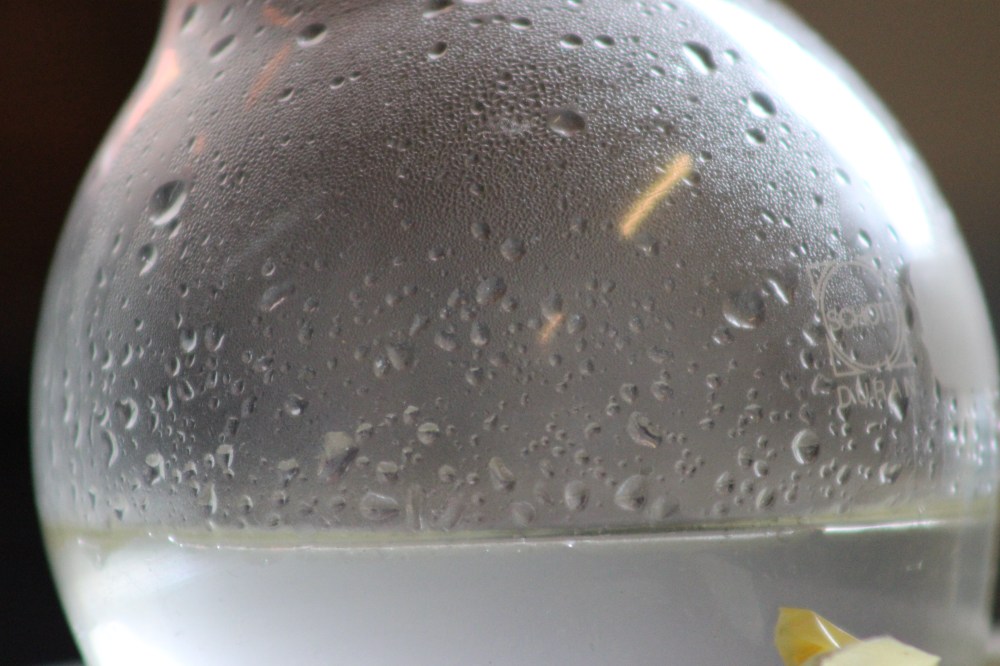
During the distillation process, steam is passed through plant material, carrying the volatile components of the plants. As the steam cools down, it condenses into water, forming a layer of essential oil (e.o.) on top. The water that is collected contains tiny molecules of essential oil, as well as the water-soluble elements of the plant that are not present in the essential oil. In a small distillation unit, the hydrosol drips into a receiver at a rate of approximately 5 liters per hour. The surface of the hydrosol is covered with essential oil. Further cooling of the hydrosol leads to increased separation between the hydrosol and essential oil, allowing the essential oil to be separated. Alternatively, placing the combination in a freezer causes the hydrosol to freeze while the essential oil remains liquid, enabling easy separation.
Hydrosols have beneficial effects on the skin due to their hydrophilic (water-loving) and acidic nature. They possess therapeutic, antiseptic, and anti-inflammatory properties. The acidic environment created by hydrosols is unfavorable for bacterial growth. The astringent properties of hydrosols cause tissues to contract, similar to the effect of vinegar on pickles, olives, or chili peppers. Hydrosols have a low pH value, making them acidic. By restoring the skin’s acidity and improving its defenses against harmful microbes, hydrosols can help maintain healthy skin. The astringent qualities of acid hydrosols can also aid in stopping bleeding and reducing wrinkles. Therefore, hydrosols are suitable for skincare and can be used diluted or undiluted.
At the distillery, hydrosols are filled into sterile containers to ensure their quality and longevity. Fresh hydrosols are free of bacteria. The pH level of hydrosols affects their shelf life, with lower pH values contributing to longer preservation. The pH can be checked using litmus paper or a pH meter. A sudden increase in pH indicates bacterial growth. To ensure proper treatment and monitoring of hydrosols, it is important to maintain a logbook where pH measurements are recorded regularly, along with the date of measurement. This helps track the quality and stability of the hydrosols over time.
Hydrosols, also known as hydrolates, have a lower concentration of natural preservatives compared to essential oils, making them more susceptible to microbial contamination. Therefore, it is advisable to freeze hydrosols that won’t be used immediately by pouring them into ice trays. In commercial settings, hydrosols should be stored at a constant temperature of around 12°C or lower. The composition of hydrosols is complex and includes compound sugars, carbohydrates, microdroplets of essential oil, and water-soluble plant components.
It is important to avoid diluting hydrosols with plain water, as this can introduce mold, mildew, and other contaminants, initiating bacterial growth. Instead, it is recommended to dilute hydrosols just before use to minimize the risk of contamination. The water-soluble components present in hydrosols include tannins, flavonoids, aldehydes, carboxylic acids, and terpene alcohols. On average, hydrosols contain approximately 0.02% essential oil. Hydrosols carry the life force of the plant and can still be used in baths for humans and animals, or as additions to acid-loving plants, even if they are older than a year or if there is any doubt about their quality, provided they are appropriately diluted.
It is essential to understand that hydrosols, plant extracts, and essential oils are three distinct entities with different properties. The herb itself can be used in cooking and as a plant extract, while the essential oil can be utilized as an antiseptic or anti-inflammatory inhalant for infections. Hydrosols, on the other hand, can serve as antiseptics when combined with a base oil for external inflammations. Combining the synergistic effects of these three forms—herb, essential oil, and hydrosol—can provide enhanced benefits in various applications.
Hydrosols have a wide range of uses and applications
- Bathing: Hydrosols can be added to the bathwater, with or without essential oils, to create a relaxing and refreshing experience. They are particularly beneficial for conditions such as hemorrhoids, urinary tract disorders, vaginal fungi, and more.
- Air Freshening: Hydrosols can be sprayed or atomized in the air to freshen the environment. They can be used on flowers, clothing, hair, or directly on the body to provide a pleasant scent.
- Internal Use: Hydrosols can be consumed internally by adding them to drinks, teas, water, or fruit beverages. They offer a subtle flavor and can be enjoyed for their therapeutic properties.
- Disinfection: Hydrosols can be used as a hand sanitizer or as a spray to purify the air in your home. They can help ionize the environment and eliminate harmful bacteria.
- Travel Companion: Hydrosols are convenient to carry while traveling. They can be used in cars, planes, buses, trains, and hotel rooms to freshen and purify the air.
- Skin Care: Hydrosols are commonly used in cosmetic products for external skincare. They can be added to creams, lotions, cleansers, and used as a natural perfume or deodorant. They are also beneficial for soothing burns, rashes, itching, wounds, cuts, abrasions, scratches, and can be used as ear drops, nose drops, or eyewash.
- Safe for All Ages: Hydrosols can be safely diluted for use with babies, children, the elderly, and those with chronic illnesses. They provide gentle and effective care for various skin conditions.
- Therapeutic Applications: Hydrosols can be used in clay masks, compresses, or as tonics for the face. They are useful for sprains, bruises, varicose veins, and can help reduce fever.
- Culinary Uses: Hydrosols can be incorporated into culinary preparations as chilled drinks or as ingredients in cooking. They add a subtle flavor and aromatic essence to dishes.
- Pet Care: Hydrosols can be used for pets to soothe their skin, protect against ticks , and relieve insect stings or bites.
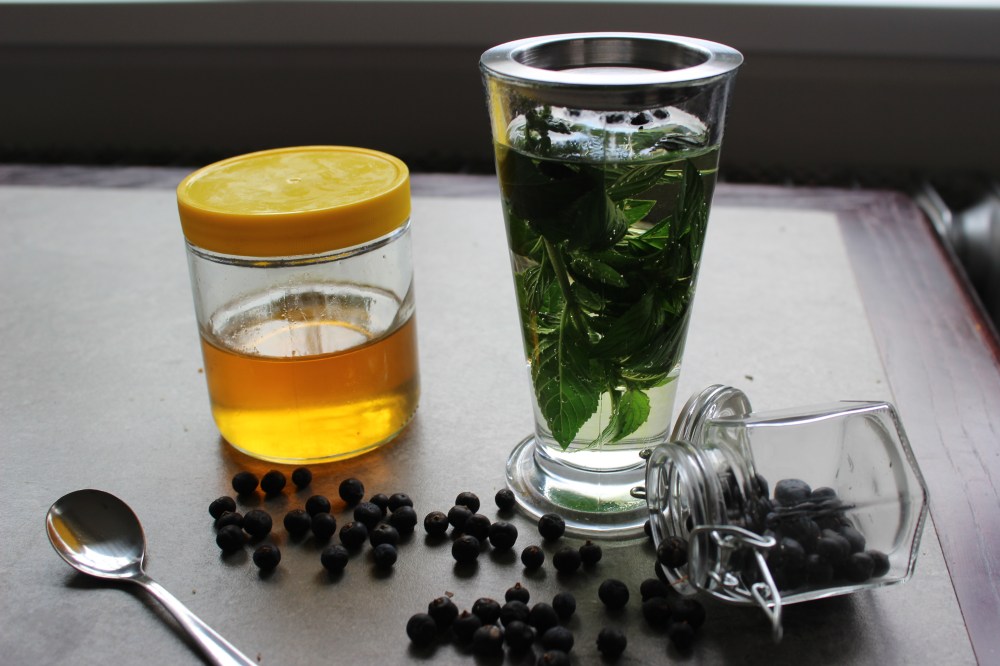
Hydrosols can also be combined with other complementary treatments such as homeopathy, plant extracts, herbal capsules, clay wraps, essential oils, and even foods like honey and vitamin E.
Hydrosols are increasingly being promoted for ingestion, claiming to be a homeopathic derivative of the actual essential oil. However, it is important to investigate the ingredients or have the supplier provide a gas chromatographic analysis to verify the composition.
Hydrosols contain the water-soluble components of the distilled plant, while essential oils contain the fat-soluble components. This distinction is significant, especially in therapeutic applications. For example, in a rose hydrosol, about 50% of the analgesic phenylethanol is present, whereas the essential oil contains only 2-3%.
When it comes to internal use, a dessert spoonful of hydrosol can be taken three times a day.
Here are some key differences between hydrosols and essential oils:
- Hydrosols contain all non-volatile ingredients of the plant, while essential oils contain only the volatile components.
- Hydrosols primarily consist of water-soluble ingredients, while essential oils are composed of fat-soluble ingredients.
Hydrosols possess antiviral and antiparasitic properties. When used in conjunction with essential oils, they can complement their effects by adding the following properties:
- Antiseptic: Hydrosols can help prevent the growth and spread of microorganisms.
- Microbe killing: They have the ability to eliminate or inhibit the growth of various microbes.
- Antibiotic: Hydrosols can exhibit antibiotic effects, assisting in the fight against bacterial infections.
- Antifungal: They are effective in combating fungal infections.
It is important to note that the efficacy and safety of ingesting hydrosols may vary depending on the specific product and individual circumstances. Consulting with a healthcare professional or conducting thorough research is advised before using hydrosols internally.
Unlike essential oils, hydrosols have a more limited shelf life, typically ranging from a few months to 1-2 years. This is because the aqueous environment of hydrosols provides an ideal breeding ground for bacteria and fungi. The shelf life of hydrosols also depends on the quality of the water used during distillation, which can be a challenge in developing and third-world countries. A reputable distiller uses spring water to maintain the hydrosol’s quality. Hydrosols should be used fresh and can be conveniently dispensed with a pump or atomizer attachment. In Germany, rose hydrosol is also supplied in ampoules. Hydrosols have a gentler effect compared to essential oils, making them particularly suitable for children, pregnant women, and the elderly.
For example, Zingiber officinale (ginger) hydrosol can be used with or without dilution. It is recommended to dilute it with spring water, using one tablespoon (5 ml) of hydrosol diluted in 200 ml of spring water.
Marco Puccio, from the Australia College of Herbal Studies, offers valuable advice on hydrosol shelf life. Due to the large amount of water and a small amount of oil present in hydrosols, bacteria can multiply rapidly at room temperature. While cooking can kill some bacteria, it doesn’t sterilize the hydrosols completely. Freezing hydrosols in ice cube trays, except for the immediate amount needed, is advisable to extend their shelf life.
 Herbal Panda