History
Aromatherapy finds its profound roots in the ancient practices of human medicine, where the plants from which these exquisite oils are distilled have been revered for their medicinal properties for millennia. These sacred botanicals have served as remedies for wounds and skin ailments, as fragrant offerings to deities, and as precious elixirs for the well-being of both body and spirit. Generations upon generations of tribes have passed down this invaluable wisdom, recognizing the remarkable ability of certain leaves, berries, fruits, and roots to uplift and restore the human condition. It is through these rituals and traditions that the enchanting allure of aromatic herbs, with their mystical qualities, has been cherished. The earliest forms of medicine were intricately intertwined with matters of faith, as evidenced by the continued practice of offering incense and fragrant resins. Even in the bygone eras, the fumigation of rooms and hospital wards with the soothing scents of thyme and rosemary prevailed.
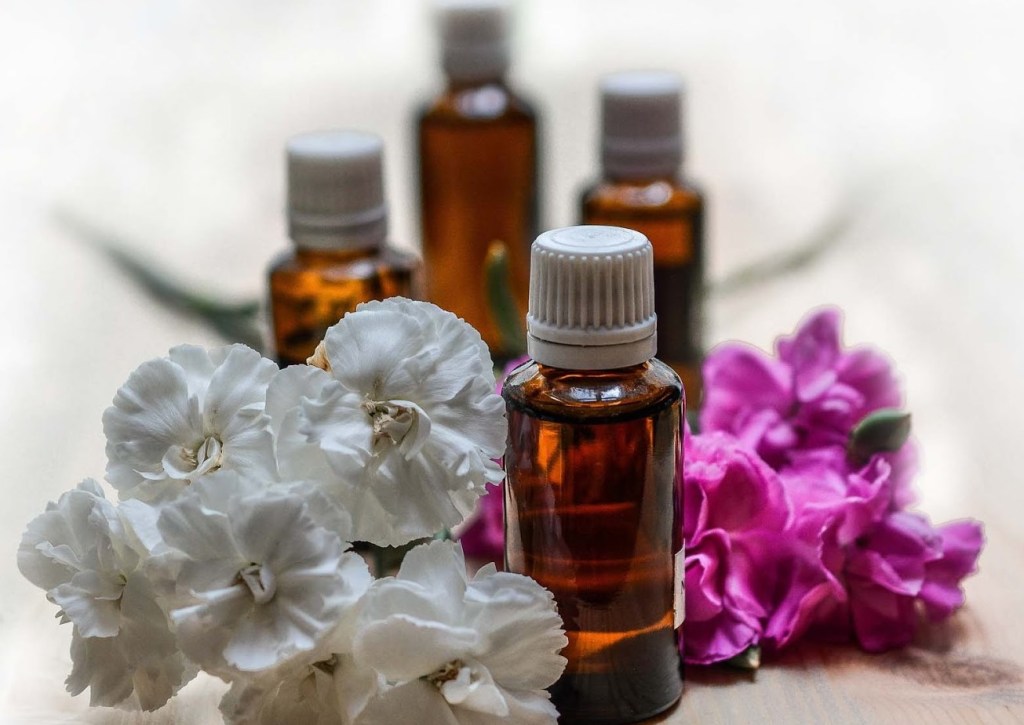
Aromatherapy, referred to as aromatic medicine in France and considered a subfield of phytotherapy or phytoaromatherapy, traces its undeniable origins back to China. It was in this ancient land that a priceless repository of more than 8,000 medicinal formulas, known as the Pen Tsao, was painstakingly compiled. Over centuries, the herbal remedies utilized in traditional folk medicine have revealed their extraordinary composition, harboring a wealth of chemical substances such as water, inorganic salts, carbohydrates, alcohols, proteins, anthraquinones, mucilages, flavones, alkaloids, saponins, glycosides, bitter substances, minerals, vitamins, and, of course, essential oils.
Out of the staggering 800,000 plant species, only a select few yield the precious gift of essential oils. The most aromatic botanical families, including Lamiaceae, Myrtaceae, Lauraceae, Asteraceae, Apiaceae, Abieaceae or Pinaceae, Poaceae or Graminea, Cupressaceae, and Rutaceae, have played a paramount role throughout history. Their significance extends across diverse domains, serving as raw materials for essential oil distillation, as cherished spices, condiments, and seasonings, and finding application in medicines, cosmetics, paints, air fresheners, disinfectants, insecticides, pesticides, herbal drinks, teas, potpourris, the food industry, soft drinks, alcoholic beverages, and the perfume industry. At present, the prevailing trend guides us back to nature, to embrace the aromatic wonders of natural plants, as the adverse effects of many synthetic substances have been irrefutably demonstrated to compromise our well-being. During the distillation process, essential oils are derived from plants, capturing the fat-soluble and volatile constituents through the power of steam. These ethereal essences exclusively contain molecules of minute proportions, as larger molecules such as sugars and acids do not permeate the essential oil. However, this meticulous distillation does give birth to hydrosols, which house the water-soluble components of the plant.
Essential oils emerge as a result of steam distillation at temperatures reaching 132ºC, allowing only the lightest molecules to transcend the process. From monoterpenes with a mass of 136 amu to sesquiterpenols at 240 amu, these captivating oils embody the true essence of nature. Citrus oils, produced through cold expression, also grace the realm of essential oils with their delightful presence.
Essential oils, those enchanting elixirs, are meticulously crafted through the captivating alchemy of steam distillation, where temperatures soar to 132ºC. Within this transformative process, only the most ethereal molecules ascend, ranging from the delicate mass of 136 amu for monoterpenes to the graceful 240 amu for sesquiterpenols, gracefully dancing until reaching a crescendo of 300 – 500 amu.
In the realm of essential oils, even the vibrant citrus oils find their place, lovingly extracted through the art of cold expression. Such oils, too, embody the essence of nature’s wonders, infusing their zesty vibrancy into our olfactory tapestry.
However, let us wander beyond the confines of essential oils and explore the realm of absolutes. While not true essential oils in essence, they possess a captivating allure of their own. Forged with the aid of chemical solvents like ethanol, methanol, benzene, and hexane, they unveil a molecular complexity that surpasses the realm of steam distillation. Often referred to as essences, they beckon our senses with their intricate compositions. Among these renowned absolutes, we find the ethereal fragrances of jasmine, neroli, vanilla, tolu balsam, and the alluring Styrax of the Styrax benzoin, leaving an indelible mark on our olfactory journey.
Egypt – Khemet
The ancient land of Egypt unveils the earliest traces of perfumery, a testament to its revered history. Archaeologists have unearthed alabaster perfume vases dating back to 4000 BC, revealing a captivating glimpse into the past. Perfume, a symbol of honor, graced the gods and the departed in the sacred rituals of ancient Egyptians. Within the temple walls, laboratories teemed with the artistry of fragrance creation, each delicate blend crafted as an offering to the divine. It is within the hallowed halls of the Temple of Horus, nestled in Idfu, that a cherished recipe was discovered—an ancient secret for scented wax candles that flickered and danced, illuminating the path to the gods. Infused with aromatic spices and tinted a delicate hue with alkanna, these candles slowly burned, their ethereal smoke carrying the sacred resin of therebinthum, warding off malevolent spirits.
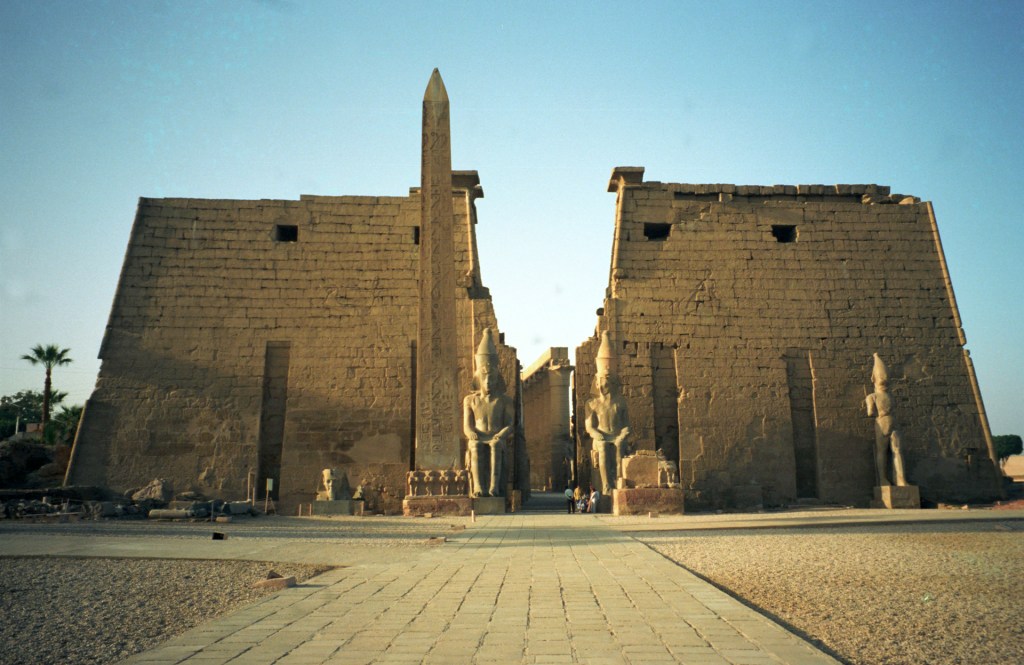
In the culmination of these sacred ceremonies, the priest would delicately anoint the deity’s image with perfumed oil, veiling it beneath a protective shroud. Such perfumes were reserved for the gods, their value surpassing the riches of today. These precious essences were coveted by kings and esteemed priests alone. Egyptians, with their discerning olfactory senses, sourced fragrant woods, roots, herbs, and exotic treasures from distant lands. Frankincense and myrrh, transported from the enigmatic realm of Punt, in the vicinity of present-day Djibouti, adorned their fragrant creations. In ancient Egypt, as the sun kissed the horizon, the mystical kyphi perfumed the air, its rich concoction of resins, gums, aromatic herbs, honey, wine, and raisins offering solace in the temples and homes. Around 2000 BC, the allure of perfumes extended beyond the realm of gods and departed souls. Temples transformed into bustling perfume ateliers, where skilled artisans crafted scented marvels. Pharaohs and nobles of the court were the first to revel in these aromatic delights, as sweltering Egypt yearned for refreshing elixirs.
In 1330 BC, the soldiers of Pharaoh Seti I, from the illustrious 19th Dynasty, resorted to strike, their demand for aromatic ointments left unfulfilled. And in 1300 BC, the workers of Thebes, their voices united, approached Pharaoh Ramses II, beseeching him to remedy their plight, lamenting the meager rations of food and ointments.
Thus, the ancient world of Egypt unfolds its fragrant tapestry, interwoven with tales of devotion, opulence, and the pursuit of olfactory pleasures.
In the realm of ancient Egypt, the pursuit of personal care held paramount importance. Nestled discreetly behind their dwellings, the washrooms beckoned, offering respite in the gentle embrace of morning and evening. Water mingled with a paste of clay and ash, known as suaba, a precursor to the exquisite art of soap-making. Their ablutions complete, they anointed themselves with fragrant elixirs, anointing body and spirit alike. Initially, the sacred recipes found their home etched upon temple walls, secrets whispered in hallowed halls. With time, they found their place upon delicate papyrus scrolls, safeguarding the knowledge of olfactory wonders.
Among their many ingenious creations, one stood in splendid brilliance—the “Theban cones.” Fashioned from luscious fats and fragrant resins, these adornments graced the crowns of noble heads at the onset of grand banquets. As the feast unfolded, the warmth of the gathering transformed the cones, releasing rivulets of melted fat and resin that gracefully trickled upon shoulders, enchanting all with intoxicating aromas.
In the realm of ancient Egypt, even bonds of kinship were fortified through the exchange of perfumes, husbands gifting one another with fragrant treasures. Perfumes held a revered place, sought after by the entire family. Men sought their cleansing rituals in the confines of the laundry room, their bodies purified in tandem with their minds. Paintings from 3000 BC reveal a ritual akin to our modern saunas, men seated upon benches while slaves bestowed upon them perfumed waters, their essence mingling with the air. Incense wafted in the incinerators, releasing the most evocative aromas.
Meanwhile, women indulged in the sacred sanctuary of the “anointing room.” There, they reclined upon soft mats, attended by devoted servants who caressed their tresses with abra, an aromatic ointment. Some experienced the bliss of oil massages, while others reveled in the artistry of makeup. The contours of their eyes adorned with a mysterious black substance called maslim, their brows and lashes kissed by hues of vibrant green. Lips were bestowed with the enchanting hue of crimson, while foreheads radiated a porcelain white. Temples shimmered in hues of azure blue, echoing the veins coursing beneath. And the palms, blessed by the touch of henna, danced in shades of orange-red, a testament to timeless beauty rituals. Thus, the ancient Egyptians wove a tapestry of personal care, intertwining their lives with fragrant luxuries. In the sacred spaces of washrooms and anointing rooms, a symphony of scents unfolded, leaving an indelible mark upon their illustrious civilization. In the realm of ancient Egypt, a profound reverence for personal cosmetics permeated their exquisite culture. Adorned within alabaster vessels, cosmetics were safeguarded, their secrets concealed beneath a cloth, lovingly enveloped by ropes. Hollow shells and linen bags too held their precious contents, preserving the essence of beauty. Archaeological excavations have unveiled the enchanting composition of these cosmetics—malachite or copper hydrosilicate infused with the fragrant elixirs crafted by revered priests. Legend whispers that the divine god Thoth himself imparted the sacred knowledge, guiding his chosen priests to concoct fragrances that would delight the very souls of the gods.
Thus, the ancient Egyptians were pioneers, harnessing the power of aromatic substances millennia before the birth of Christ. Such treasures adorned their lives, not only for cosmetic allure but also for medicinal purposes and the timeless art of embalming. Within their ancient repertoire, the harmonious notes of cedarwood, cinnamon, turpentine, basil, coriander, myrrh, resin, marjoram, spikenard, henna, juniper, calamus, and dill wove their fragrant tapestry. Revered formulas, etched onto the walls of the Temple of Horus at Edfu in southern Egypt, revealed the secrets of perfume-making, dating back to 176 BC. Even the art of maceration was known to these venerable ancestors, as they embraced the infusion of aromatic essence into olive oil and sesame oil, unlocking a world of sensory delight.
It is said that the ancient Egyptians possessed the knowledge, four millennia ago, to extract precious oil from the heartwood of cedar trees. Reverently, they placed the sacred wood within clay vessels, tightly sealed with the wool of gentle sheep. As heat embraced the vessel, the fatty oil imbued the wool, a symphony of aromas intermingling, until the essence was lovingly extracted, revealing the essence of cedar.
In the realm of beauty, the ancient Egyptians knew no boundaries. Their deft hands painted tales upon the canvas of their faces—brows and lashes adorned in alluring hues, lips aglow with the intoxicating crimson of passion. A canvas of purity unfolded as foreheads were kissed by pristine white, temples cloaked in azure blue, the very veins of life elevated in resplendent beauty. And the hands, bestowed with the vibrant touch of henna, danced in shades of fiery orange-red, a testament to timeless rituals cherished by these venerable souls.
Greece
From the fertile lands of ancient Greece, a realm of profound wisdom bloomed as the Greeks forged a sacred bond with their Egyptian counterparts, delving deep into the realm of medicine. In this harmonious exchange, they not only absorbed the wisdom of their predecessors but also embarked on their own odyssey of discovery. Within this realm, they unraveled the secrets of aromatic alchemy, unearthing the profound truth that certain flowers carried the power to invigorate and refresh, while others whispered the lullabies of tranquility and slumber. Across the centuries, the echoes of their quest resound through the annals of time.
Herodotus, the eminent Greek historian, weaves a tapestry of ancient knowledge, drawing back the veil of ages to reveal the sacred art of embalming. Amidst his accounts, he unveils the celestial allure of turpentine oil, a fragrant elixir cherished by the ancients. And not to be forgotten, Pliny, the sage of antiquity, adds his voice to the symphony, painting vivid strokes of the effects of turpentine oil upon the human spirit.
.

Yet, it is Dioscorides, the valiant physician of Nero’s era, who pens an immortal opus—a five-volume masterpiece known as the “Herbarius.” Within its pages, he unlocks the secrets of the plants and aromatics adored by Greeks and Romans alike. This grand compendium, the materia medica, immerses the reader in a lush garden of knowledge, unveiling the origins and applications of 500 botanical treasures. Among its sacred verses lie the elusive secrets of turpentine oil, its extraction, and its medicinal enchantments. This seminal work becomes the cornerstone upon which countless manuals of the Middle Ages find their footing, a testament to the enduring wisdom of Dioscorides’ pen.
In the hallowed embrace of ancient Greece, a trinity of aromatic treasures already graced the earth—coriander, fennel, and thyme. Today, their fragrant legacy continues to weave its spell, infusing the realm of perfumery with timeless allure. Irises and roses, beloved companions of the soul, cast their fragrant petals upon Grecian hearts. Yet, beyond the borders of their fertile lands, a magnificent tapestry unfurled. Since the golden era of the Cretan-Mycenaean civilization, exotic plants of precious allure arrived from the distant east, cradled by the intrepid Phoenician sailors, their journeys spanning months of seafaring odyssey. The Greeks, ever the connoisseurs of fragrance, embraced the treasures bestowed upon them—styrax, wafting from the lands of present-day Turkey; myrrh and balm, gifts from the shrubs of Judea; cinnamon and cyperus, whispers of India’s mystique; and frankincense, a fragrant treasure born of the Arabian sands.
With reverence in their hearts, the Greeks crafted fragrant ointments and oils, offerings to honor their pantheon of gods. As the centuries danced upon the stage of time, Herodotus whispered tales of cinnamon, nutmeg, and sandalwood, spices from distant realms of Asia, while the ethereal essence of less volatile perfumes emerged, enchanting mortals as potent aphrodisiacs. Among these delicate symphonies of scent, the animal kingdom offered its aromatic gifts, the anal secretions of civet, casteorum, and musk, captivating the senses in a bewitching embrace. And as the ancient world unfolded its mysteries, the sailors of Alexander the Great, in their intrepid voyages, discovered the precious gray amber, gracing the shores of the Gulf of Oman and the Indian. In the depths of ancient palaces and temples, the Cretans and Mycenaeans safeguarded their precious perfumes, concealed in secret chambers known only to the privileged few. Whispers of their aromatic enchantments found their way onto delicate clay tablets, etching a testament to their devotion. Among these ancient inscriptions, discovered in the hallowed grounds of Pylos, near Mycenae, an astonishing truth emerges—a symphony of scents woven into the very fabric of religious ceremonies. The vast majority of these fragrant elixirs were offered as sacred tributes, their ethereal essence ascending to the heavens, while a small portion found its purpose in the realm of the secular—a gentle touch of personal hygiene, the purifying embrace that graced rooms, and the delicate infusion that caressed the wines of celebration.
Within the verses of Homer’s epic Iliad, the immortal poet casts his gaze upon the divine realm, revealing a tantalizing dance of perfumes. Goddesses, draped in celestial allure, wield their aromatic weaponry, harnessing the power of fragrant charms to captivate both mortals and gods alike. Their perfumed enchantments, like delicate tendrils, weave a web of irresistible allure, leaving all who succumb to their embrace spellbound.
Solon, the formidable legislator of the Athenians, emerges from the annals of time, his stern countenance firmly set against the fragrant indulgences that danced upon the winds. In his unwavering gaze, he deemed perfumes as unworthy luxuries, dismissing them as frivolous distractions from the higher pursuits of the soul. To Solon, the ethereal realms of knowledge and wisdom surpassed the transient pleasures borne upon scented wings.
And yet, amidst the philosophical tapestry of ancient Greece, a lone voice arises—the philosopher Diogenes, emblematic of the Cynic School. He, who dwelled in the shadows of Solon’s stern disapproval, found solace in the intoxicating realm of perfume. With a soul untethered by societal norms, Diogenes embraced the fragrant tendrils that enveloped his existence, recognizing the enchantment they wove upon the senses. For him, the delicate whispers of scent were not mere indulgences but gateways to the very essence of the human experience. In the annals of time, amidst the echoes of ancient Greece, a monumental work emerged, penned by the venerable botanist Theophrastus in 323 B.C. Known as the “Treatise on Fragrances,” it stood as a testament to the profound understanding of nature’s aromatic tapestry. Theophrastus, in collaboration with the esteemed Greek physician Marestheus, unraveled the mysteries of aromatic plants, their delicate blooms bearing the power to invigorate or soothe the human spirit. Within the pages of this opus, a revelation took root—olive oil, a sacred elixir, became the vessel of scent, preserving the essence of flowers with purity unmatched. Compresses, imbued with ancient wisdom, were hailed for their healing touch, soothing growths and abscesses, a testament to the medicinal prowess of these enlightened healers.
Throughout the Middle Ages, this cherished opus stood as the venerated guide for the world of perfumery. Within its sacred confines lay a compendium of nature’s secrets, revealing the alchemical process by which scents could be extracted from each precious plant, and the artistry with which herbs could be transformed.
With the passing of Aristotle, Theophrastus assumed the mantle of the Peripatetic School, guarding the flame of knowledge and guiding future generations through the fragrant corridors of discovery.
Even the revered athletes of ancient Greece found solace in the embrace of perfumed oils. As they prepared for grand competitions, their bodies, vessels of strength and grace, were anointed with fragrant elixirs, an offering to the gods of prowess. Discreetly, women adorned themselves with delicate scents, their shoulders caressed by the whispers of balsam oil. But it was the priestesses, embodiments of divine devotion, who reveled in opulence unparalleled. With bare breasts, they enacted ritual worship, adorning their sacred bodies, their nipples tinged with hues of vibrant red-orange—a symbolic tribute to the divine mysteries that coursed through their veins.
In the realm of perfumery, the master artisans, known as myrepsòs, embarked upon their alchemical quest. Armed with mortars, pestles, and grand pans, they harnessed the essences concealed within grasses and herbs. The powders, skillfully blended with a touch of olive oil, yielded ethereal creations. To distill the aromatic nectar, a gentle dance unfolded, as the precious liquids caressed the warmth of a bain-marie. Lead, silver, gold, or alabaster vessels, vessels befitting the sacredness of their cargo, embraced the balms and guarded their secrets. Yet, alabaster, rare and precious, was not bestowed upon every creation. Frosted glass imitations, the guardians of illusion, or terracotta vases, known as alabastrons, emerged as humble vessels of beauty. Along the shores of Syria and the Tyrrhenian Sea, they adorned the world, their origins rooted in the skilled hands of Corinthian artisans. The master painters, true magicians of form, graced these vessels with intricate depictions of felines and birds, their delicate brushstrokes a testament to the artistry they held. The more modest vases, adorned with rustic charm, bore the simplicity of red-brown lines, encircling their humble bodies, whispering tales of affordability.
Thus, the ancient Greek world, steeped in wisdom and adorned with fragrant tales, unfolded before our eyes, a testament to the enduring allure of perfumery, an art that transcends time.
In the golden era of ancient Greece, a visit to the bathhouse was a pinnacle of refinement, an art form cherished by the discerning gentleman. As the centuries unfolded, this exquisite indulgence transcended borders and captivated the hearts of the Romans.
Within the hallowed walls of the bathhouse, a symphony of scents unfolded, transforming the bathing ritual into an olfactory feast. A man immersed himself in a round bath, surrendering to the gentle caress of water’s embrace. Yet, the true magic lay in the subsequent ritual—a delicate choreography of fragrant herbs danced upon his skin. The chest, anointed with the smooth touch of palm oil, exuded an aura of timeless allure. The arms, adorned with the essence of mint, bore the refreshing breeze of vitality. Thyme, like a whispered enchantment, cloaked the legs in tranquility. And marjoram, an aromatic elixir, bestowed upon his hair the crown of botanical elegance.
Bathing, a cherished prelude to the evening repast, stood as a testament to the art of hospitality. When guests graced the threshold, a ritual ablution awaited, an offering of respite and rejuvenation. If time constrained the splendor of a full immersion, a foot washing in a small tub, brimming with water infused with the essence of wine, spices, and nardum, unfurled its subtle magic. Before the banquet commenced, slaves, bearers of grace, bestowed perfumed water upon guests’ hands, anointing their palms with scented dreams. Adorned with wreaths of delicately woven flowers and leaves, the heads of esteemed visitors embraced the regality of nature’s finest artistry.
Beyond the Mediterranean shores, where legends wove their tales, lay the source of aromatic marvels. The fragrant ingredients, coveted by Egyptians and denizens of the Near East, found their origins in a mythical realm known as Punt—a distant African land, veiled in enchantment. Caravan expeditions, traversing vast distances, breathed life into the tales, bringing treasures from far-off lands, like whispers of fragrant dreams. Resins, beloved by Assyrians and Babylonians, whispered their intoxicating tales, a testimony to the allure of distant shores, from India and beyond. Southern India revealed its secrets, the balm of the thornbush plant, crafted into ointments and lending its essence to the very essence of wine. Ceylon and South India conspired, gifting the world with cinnamon leaves, gracefully rolled into fragrant sticks, an enchantment to enliven the palate. Camphor, akin to cinnamon’s kinship, lent its aromatic touch to embalming ointments, an homage to eternal slumber. Cardamom, an Indian jewel, adorned the landscape, its seeds yielding precious oil for soothing massages. From the ethereal Himalayan realm, cultivated lavender emerged, an aromatic symphony nurtured in nature’s embrace. And in the depths of time, Pliny would bestow upon the world an accolade, hailing the essence of extracted ears as “the most exquisite perfume.”
Amidst this fragrant tapestry, the great Greek healer Hippocrates, revered as the father of medicine, wove a symphony of botanical knowledge. In his illustrious works, he unveiled a multitude of medicinal herbs and plants, whispering tales of healing and offering solace. Within the pages of his wisdom, the secrets of narcotics emerged—opium, belladonna, and mandrake—a tapestry of potent remedies, a testament to the vast depths of his wisdom.
 Herbal Panda
You must be logged in to post a comment.