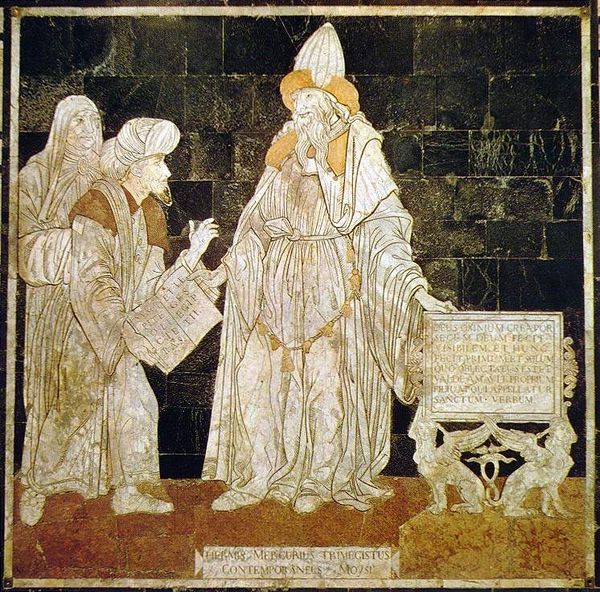
Distillation is a Science that dates back more than 5000 years ago, from Ancient Egypt to Mesopotamia, Slovakia, Sardinia, and Cyprus.
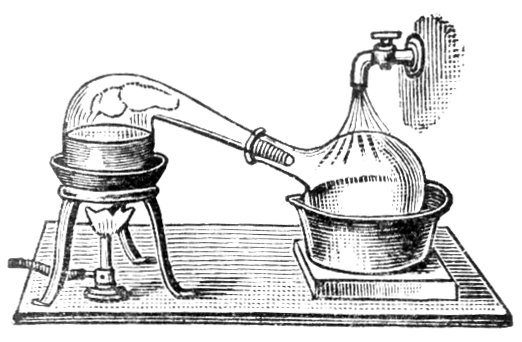
The process of distillation is to separate two or more substances in a solution by evaporation, usually inside an apparatus known as a still.
“Retort flask”
The distillation process is based on the principle of utilizing the difference in boiling points among substances. When two or more liquids are combined and heated gently, the component with the lowest boiling point will evaporate to a greater extent compared to the others. As a result, the vapor phase will contain a higher concentration of the low-boiling substance, while the remaining liquid will retain a higher proportion of the high-boiling substance. By collecting and condensing the vapor in a separate container, a separation between the different compounds can be achieved. This step-by-step distillation process is known as rectification.
Rectification can also be employed to separate multiple components within a mixture, which is referred to as fractionation. However, if the boiling points of the components are very close to each other, it becomes challenging to obtain a pure substance through distillation alone. Instead, the condenser will yield a mixture of substances. The pure substance obtained from the condensation process is known as the distillate.

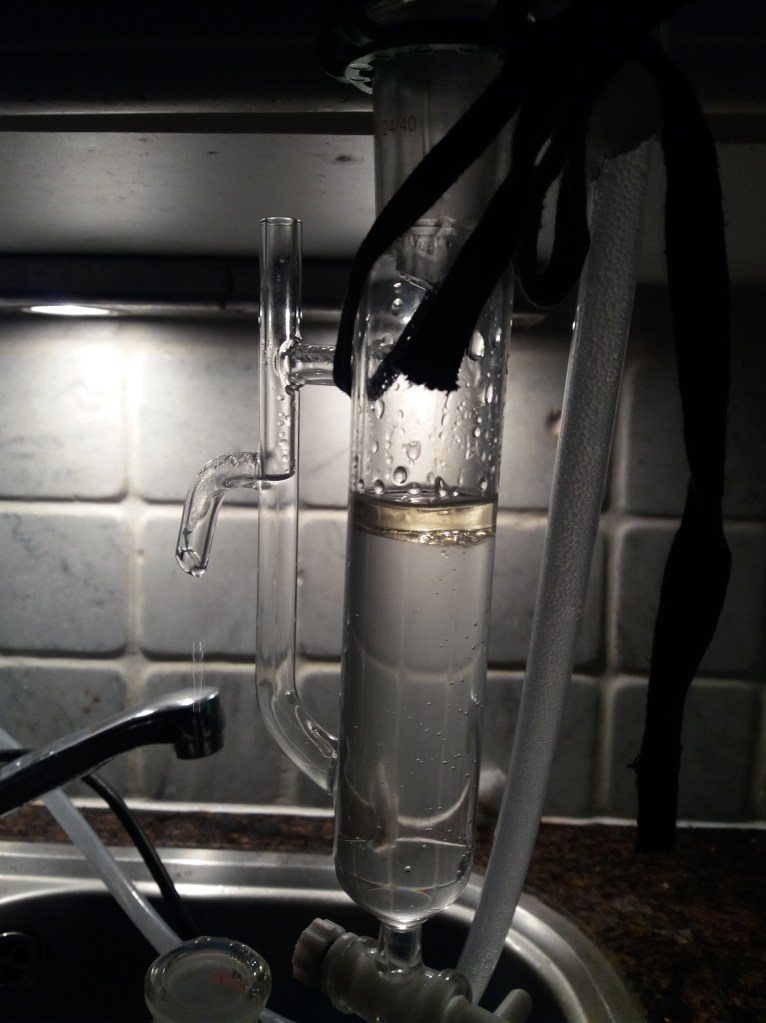
Distillation is a process commonly used to extract and concentrate certain components from fermented products, resulting in high-alcohol beverages such as liqueurs, whiskey, rum, and more. This aspect of distillation is often referred to as “distilling.” On the other hand, when it comes to the extraction of volatile liquid substances like essential oils, some use the term “destillation.” During the destillation of plants, essential oils are obtained as the destillate, while the by-product of this process is known as hydrosol.
It’s worth noting that distillation is not limited to the production of alcoholic beverages and essential oils. It is also an effective and traditional method of desalination. By subjecting dirty or salty water to the distillation process, fresh and clean water can be obtained as the distilled product. This application of distillation serves as a means to separate impurities and produce drinkable water, providing a valuable resource in areas where clean water is scarce or contaminated.
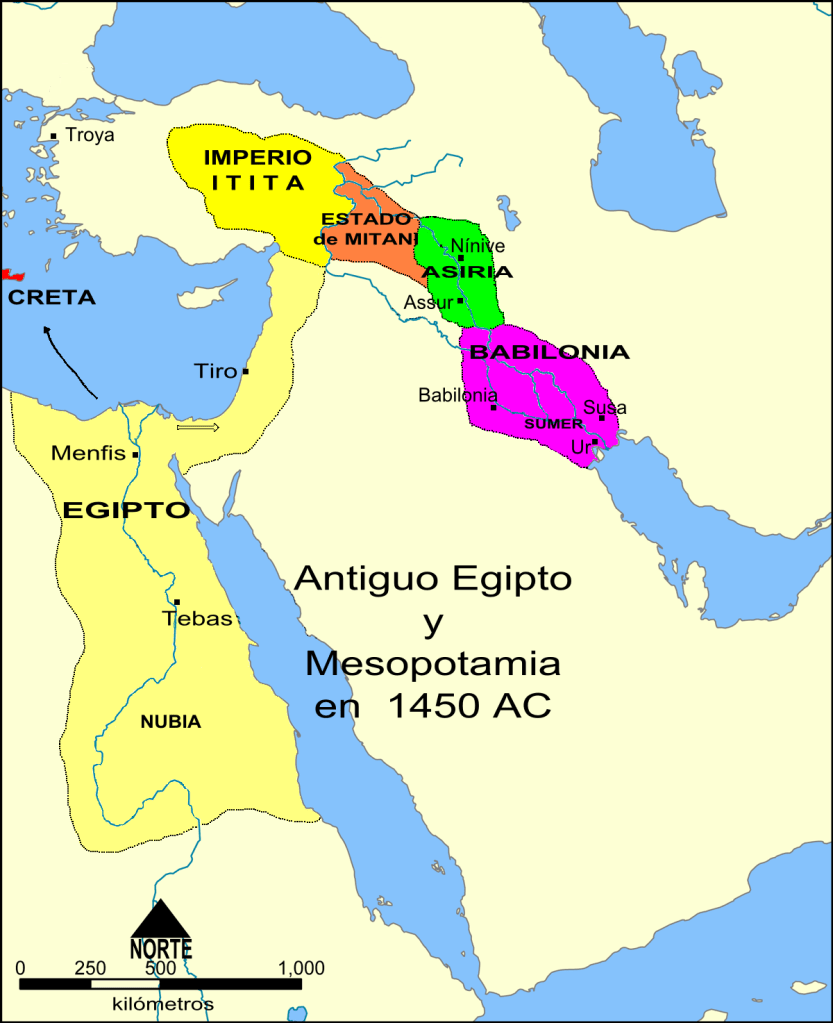
Large-scale distillation processes can be traced back to Mesopotamia, an ancient region renowned for its significant contributions to civilization. Archaeological excavations have unearthed terracotta distillation apparatus that dates back 4,000 years, providing evidence of the utilization and production of essences and perfumes for both medical and ritual purposes. Mesopotamia, along with Egypt and the Nile, played a pivotal role in the development and progress of various ancient civilizations. The association with the mighty rivers Tigris and Euphrates further emphasizes their historical significance.
The origins of perfume, and by extension aromatherapy, can be traced back to the time when humans discovered fire and realized that certain shrubs and resins emitted a captivating fragrance when burned. Thus, perfume and aromatherapy have their roots in the realm of smoke. The term “perfume” itself is derived from the Latin word “fumus” or “per fumum,” which translates to “through smoke.” In ancient times, wisps of fragrant smoke were utilized during ritual ceremonies as an offering to the gods. It was believed that the aromatic smoke carried the prayers to heaven, symbolizing a connection between the earthly and divine realms.
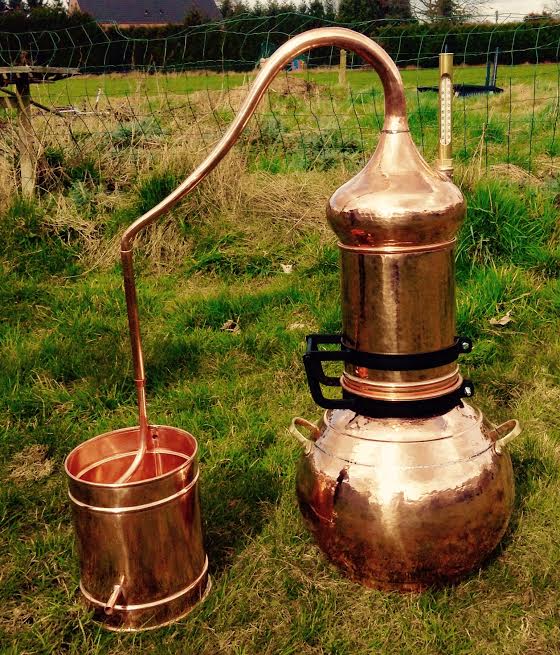
The alembic, an ancient distilling device, was introduced to Europe by the Arabs and found initial use among alchemists. Over time, it became popular among gin distillers and perfumers. Even today, alembics are frequently employed for distillation, often crafted from copper due to its advantageous properties. The name Alembic comes (from Arabic: الإنبيق , which traces its origins back to the Ancient Greek word “ambix,” meaning “cup” or “beaker.” This name reflects its function as a vessel used in distillation processes. While the principle of distillation had been known for some time, the invention of the alembic is generally credited to the Arabs, who played a significant role in advancing the practice of distillation.
The origins of distillation in Western Europe can be traced back to around 1150 in Salerno, Italy. However, the ancient practice of distillation predates this by thousands of years, originating in Mesopotamia more than 4,000 years ago. Archaeological findings in Babylon, Crete, and the Indus Valley have unearthed terracotta objects associated with early distillation processes aimed at extracting essences and perfumes.
Around 400 AD, Zosimus of Panopolis, drawing inspiration from earlier Alexandrian treatises on distillation, depicted stills in the form of retorts and referred to the capital vessel as “ambix” in Greek. Arab scholars later adopted the term “al-anbiq” in their language. In Persia, Jabir ibn Hayyan, also known as Geber, replicated these stills based on Alexandrian sources and established the first Arab chemistry laboratory equipped with stills for producing alcohols and medicinal perfumes. His writings became important sources of knowledge for Islamic and European distillation practices.

The initial spirits produced through distillation were derived from wine, which served as a common alcoholic base in southern Europe and the Middle East. As stills made their way into the brewing regions of northern Europe, cereal mash replaced wine as the primary source. Distillation techniques quickly spread northward through the Po Valley, Venice, France, and the Roman Empire. In 1280, Nuremberg became a hub for artisanal distillers who produced “brenewein” or “burnt wine,” a distilled form of wine. German cities without distillers began importing aqua vitae, the distilled spirit, from the artisanal distillation laboratories of Modena, Bologna, and Venice. Modena, in particular, became a center for distillation in Europe around 1300, marketing its prophylactic aqua vitae for treating various diseases and ailments. Genoese traders recognized the potential of this new product and began exporting it to cities like London and Moscow.
The knowledge and practice of distillation were not limited to secular endeavors but also found their way into the realm of Catholic institutions. The Benedictines, Cistercians, and Dominicans, following the example set by the Benedictines in administering the medical school and hospital of Salerno, founded their hospitals and dispensaries, disseminating knowledge of distillation within Catholic spheres of influence in Western Europe.
Scholars like Hieronymus Burckhardt, inspired by the growing interest in distillation, studied the practice in Modena during the 1330s, supported by Emperor Ludwig IV of Bavaria. This recognition led to Burckhardt being granted permission to practice distillation in Berlin. Throughout the German Free States, enterprising apothecaries, royal residences, monasteries, and tavern owners adopted rudimentary forms of distillation. The recreational consumption of aqua vitae gained popularity in drinking establishments and households.
 Herbal Panda