Inonotus obliquus
The Chaga mushroom is a species of mushroom known for its high antioxidant content, making it an excellent fighter against free radicals. It primarily grows in regions such as Russia, Siberia, Korea, northern parts of the US and Canada, and northern Europe. Chaga is a parasitic fungus that thrives on birch trees.
In Chinese traditional medicine, Chaga has long been recognized as a powerful medicinal substance. In the 16th century, it was widely used in Russia and Northern Europe for its medicinal properties, particularly in the treatment of tumors. Chaga possesses strong antioxidant, anticancer, and antiviral properties.
Chaga acts as a natural antibiotic, similar to onion, garlic, and honey. Natural antibiotics have the advantage of retaining their antibacterial activity, unlike synthetic antibiotics. Bacteria can become resistant to synthetic antibiotics, but they do not develop resistance to natural or plant-based antibiotics.
Antioxidants play a crucial role in neutralizing and preventing the harmful effects of free radicals in the body. Chaga’s rich antioxidant content helps prevent cell mutations and the development of cancer.
In addition to antioxidants, Chaga contains complex non-linear polysaccharides, particularly beta-glucans, which provide powerful immune system support. These long-chain polysaccharides are highly immune-enhancing substances that exhibit strong antitumor activity. Chaga consumption has been shown to increase the presence of cancer-destructive natural killer (NK) cells in the body. It has a positive and potent healing effect on patients with breast, liver, uterus, and stomach cancer.
Further research has indicated that these polysaccharides also possess strong anti-inflammatory properties and help balance the immune system. They are crucial for controlling cancer and autoimmune diseases.
By stimulating the production of natural killer (NK) cells, Chaga enhances the body’s defense against various infections (bacterial, viral, fungal, and parasitic) and inhibits tumor formation. Additionally, Chaga has positive effects on various other physiological processes.
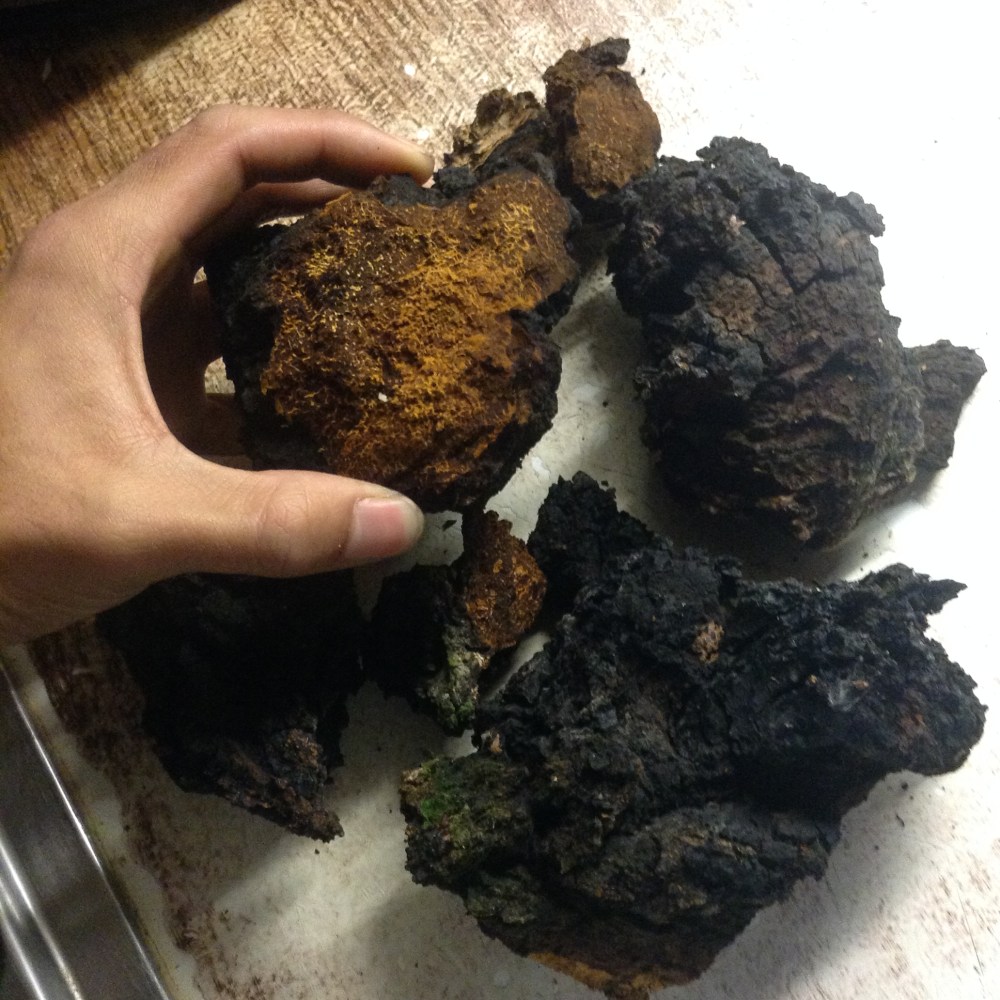
The Chaga mushroom’s exceptional quality lies in its exceptionally high content of SOD antioxidants (Superoxide Dismutase), which is the highest among all known medicinal mushrooms. Superoxide dismutase is an essential enzyme that rapidly neutralizes oxygen radicals in the body. Oxygen radicals are highly reactive molecules that can cause damage to DNA and other cells. The presence of SOD antioxidants in Chaga helps protect DNA and prevent harm to other cells.
Using Chaga as a natural method to stimulate the body’s self-healing abilities is a healthier alternative to substances like synthetic antibiotics.
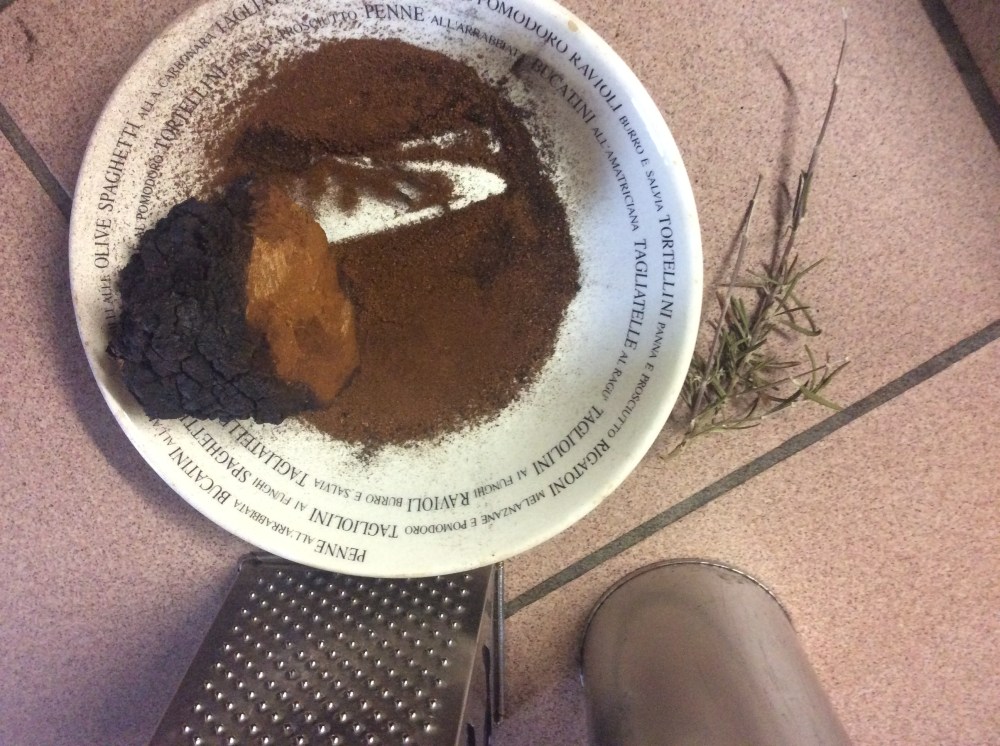
The Chaga mushroom possesses a range of exceptional qualities, which are listed below:
- The Chaga mushroom contains high doses of antioxidants, which have powerful cell-regenerating properties and contribute to its anti-cancer effects.
- Chaga is known for its strong anti–aging qualities, helping to keep the body young, fit, and healthy.
- Extensive research has demonstrated that Chaga helps protect our human DNA.
- The Chaga mushroom has garnered attention in studies exploring its potential as a cure for the HIV/AIDS virus due to its strong antiviral properties and promising research in this area.
- Chaga boosts physical resistance levels and supports the immune system.
- This mushroom exhibits anti-bacterial, anti-viral, anti-fungal, and anti-parasitic activities.
- Chaga aids in the detoxification process, particularly for organs such as the kidneys, spleen, and liver.
- Chaga has a positive effect on blood sugar levels and can help alleviate symptoms associated with diabetes.
- Chaga helps regulate blood pressure, promotes a healthy balance between red and white blood cells, and strengthens blood vessel walls.
- The Chaga mushroom assists in regulating cholesterol levels and maintaining a healthy nervous system.
- Chaga supports hormone balance in the body.
- Chaga contains Melanin, an essential component for the development of healthy hair and skin.
- The Chaga mushroom is rich in antioxidants, similar to blueberries, and contains over 215 phytonutrients, including polysaccharides, which are crucial for overall physical well-being.
Phytonutrients are nutrients derived from plant material that are necessary for the protection, maintenance, and overall health of human life. One of the notable phytonutrients found in Chaga is betulinic acid. Wild Chaga mushrooms are abundant in this substance, which possesses strong antitumor qualities.
It’s important to note that while Chaga mushroom shows promising health benefits, further research is still needed to fully understand its effects on specific medical conditions.

 Herbal Panda