Achillea millefolium L.
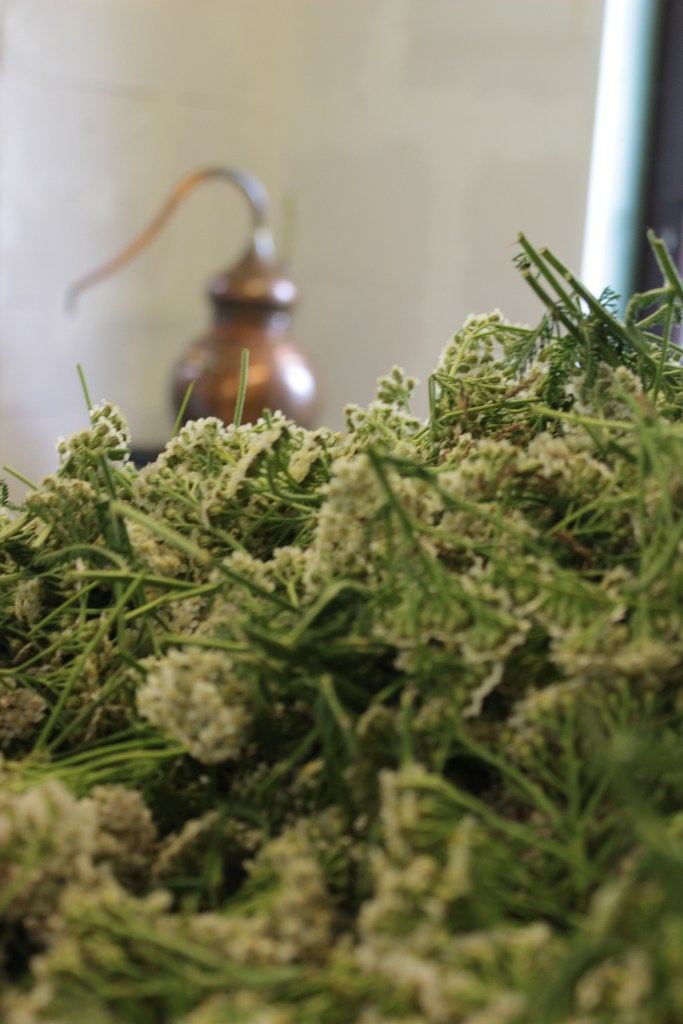
Commonly known as Yarrow, belongs to the asteraceae (compositae) family. The dried herb of Yarrow is used for steam distillation to obtain its essential oil. In the perfume industry, the essential oil is classified as a top or middle note.
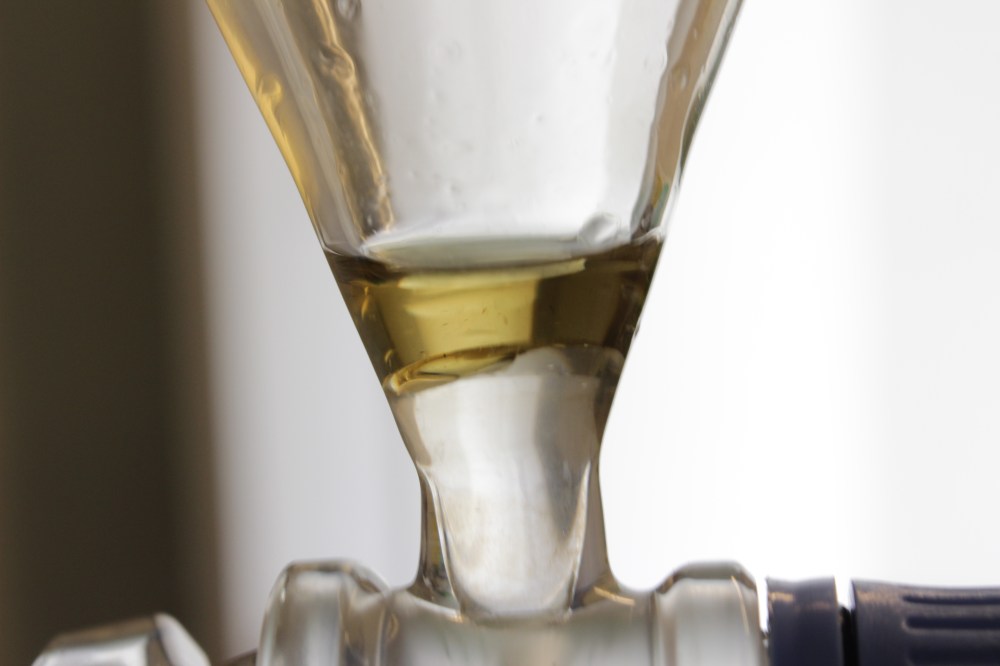
The essential oil of Yarrow is a reddish-brown or deep yellow liquid that may darken with age. It has a fresh, sweet, spicy, and slightly camphorous scent. There is another variation called Yarrow blue, which is almost identical to the essential oil of Yarrow. The key difference is that Yarrow blue has a higher percentage of chamazulene, which can reach up to 50%. This makes Yarrow blue a suitable substitute for chamomile blue in certain applications. The yield and color of Yarrow blue are similar to the essential oil of Yarrow, with a deep blue to olive green color that also darkens over time. Its scent is fresh, sweet, and reminiscent of chamomile and absinthe. In the perfume industry, both Yarrow essential oil and Yarrow blue are used as top or middle notes in floral fragrances.
Yarrow is a perennial herb that grows between 30 cm to 1 m in height. It has fine lace-like leaves and produces white to pink flowers. The plant has a creeping rhizome and can adapt to various soil types with moderate moisture levels and fertility. It can be found along paths, roads, verges, meadows, dikes, and particularly thrives in mountainous regions and slopes with ample sunlight. Yarrow has a sturdy stem and feathery leaves, and its flower heads bloom from summer to fall. The entire plant has an aromatic and spicy fragrance. Yarrow is known for its resilience, tolerating drought and displaying resistance to most diseases and insects, although it can be susceptible to mildew and rust.
Yarrow is a widely distributed herb in the Northern Hemisphere and has been used for centuries to address various health concerns, including fever, respiratory issues, and digestive problems. It grows rapidly and can become dominant in certain environments. The plant blooms from early summer to late autumn. The Latin name “millefolium” refers to the many segments of the leaves, which have a finely divided appearance.
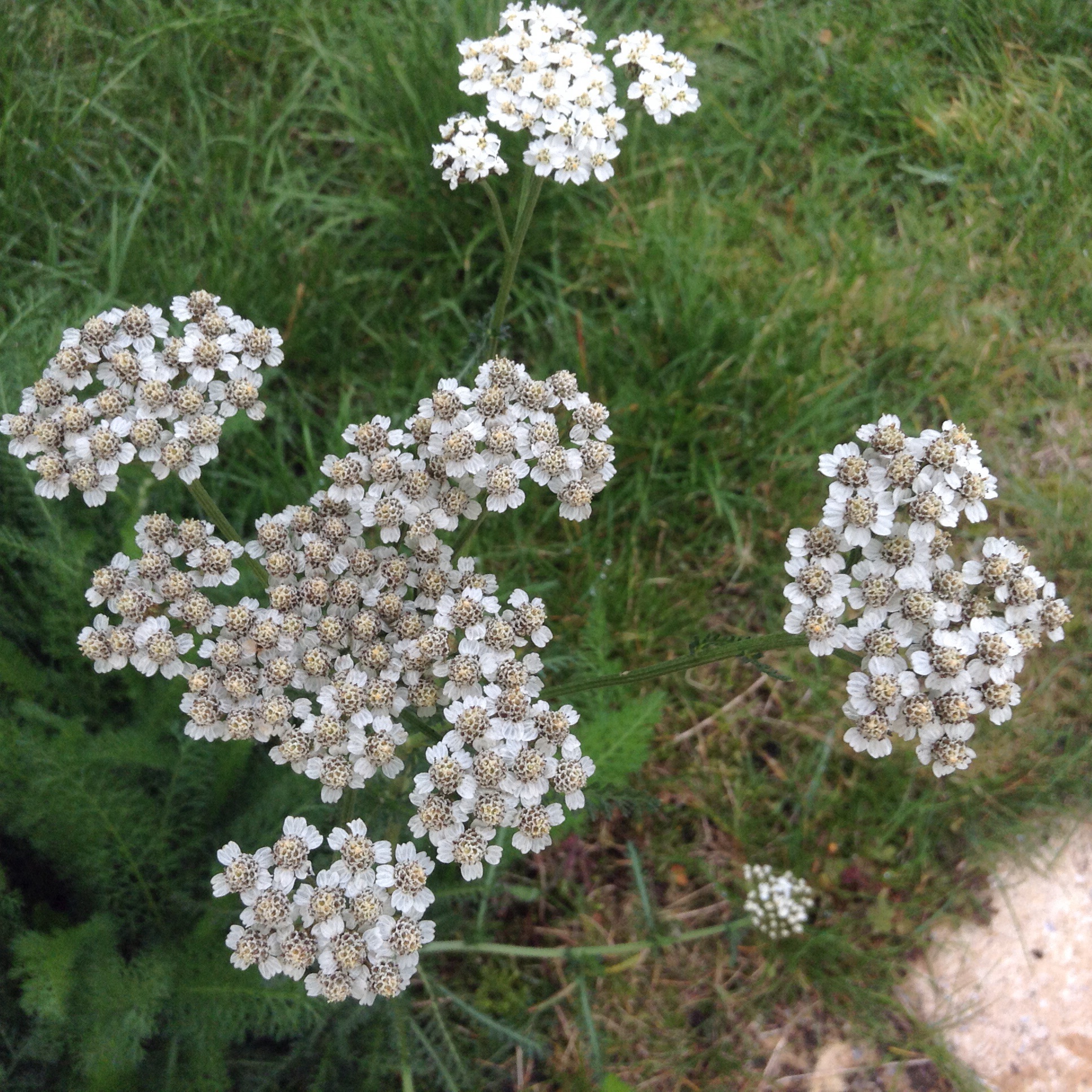
Yarrow (Achillea millefolium L.) is native to Europe and Asia, but it is now also found in North America and various temperate zones worldwide. Oil distillation of yarrow primarily takes place in countries such as France, Germany, Hungary, Yugoslavia, Albania, Bulgaria, the USA, and Africa.
According to tradition, yarrow has a long history of use in medicinal practices. It is said that Achilles, the Greek mythological hero, used yarrow to treat the wounds of his comrade Telephus, who had been injured by a spear. Dioscorides, an ancient Greek physician and herbalist, referred to yarrow as the “thousand leaves soldier’s herb.” Soldiers often used yarrow to bandage their wounds and aid in the healing process. Additionally, carpenters utilized yarrow ointments to treat injuries caused by tools. Anglo-Saxons and Crusaders also relied on yarrow for healing wounds inflicted by iron weapons.
In Chinese medicine, yarrow is used for various purposes, including the treatment of menstrual problems and hemorrhoids. In Norway, it is commonly employed for rheumatic diseases. Yarrow has traditionally been used to facilitate menstruation, and the entire plant can be harvested when in bloom for medicinal purposes. However, if specifically collecting leaves, it is advisable to harvest them before flowering. The flowers of yarrow are more potent in their effects compared to the leaves..
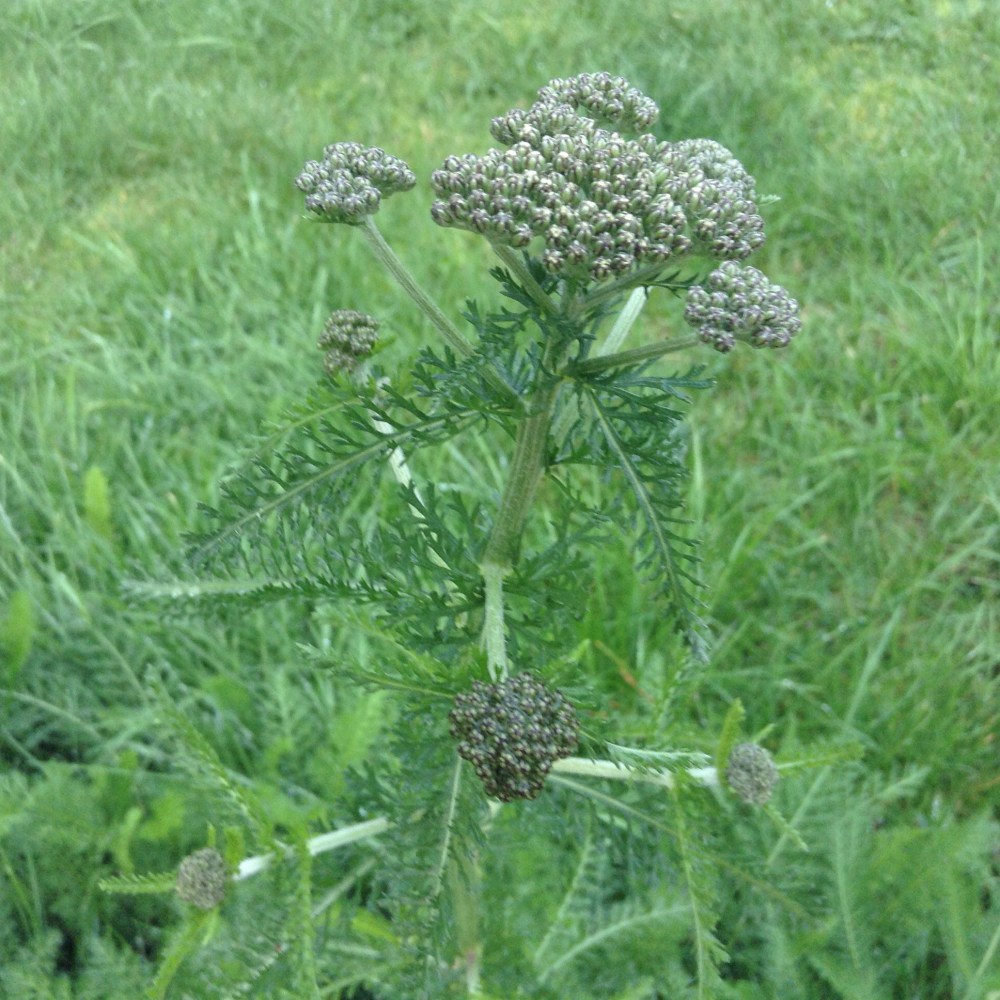
Yarrow has diverse applications in different cultures. In Sweden, it is added to beer, and in folk medicine, it has been used for the treatment of various conditions, including lung cancer, epilepsy, and diabetes. The essential oil derived from yarrow contains compounds such as azulene, which is formed during the distillation process. This oil is highly suitable for treating skin problems and possesses significant anti–inflammatory and antispasmodic properties, similar to chamomile. Yarrow essential oil is also known for its excellent anti–stress effects. Yarrow is considered a beneficial oil for individuals who are sensitive and prone to absorbing environmental issues. It is especially valued as a medicinal herb for women, aiding in menstrual disorders, regulating menstrual rhythm, and alleviating irregular and painful menstruation. Yarrow acts as a harmonizing agent during transitional phases. Its properties include wound healing, astringent effects, antiseptic properties, blood pressure regulation, antispasmodic actions, stomach strengthening, astringency, and anti–inflammatory effects. It has a distinctly spicy scent and is used as a flavoring agent in beverages like vermouth, beer, wine, and bitters. Yarrow is also enjoyed as a tea, and its leaves can be used in salads. Dried yarrow flowers are popularly used in dried flower arrangements and are frequently employed during winter to add vibrancy to indoor spaces. Yarrow is also utilized in skincare preparations targeting various skin disorders and is incorporated into perfumes and aftershaves.
Yarrow (Achillea millefolium L.) contains various substances, including essential oil, bitter compounds, flavones, tannins, and alkaloids.
The essential oil of yarrow contains several sesquiterpene lactones, such as achillin, which contribute to its anti–inflammatory effects. It also contains alkamides, which are found in echinacea as well and have additional anti–inflammatory properties. Another alkaloid present in yarrow, called Achilletin, has been observed to stop bleeding. Yarrow’s essential oil also contains sesquiterpenes like chamazulenes and dihydroazulenes, as well as sesquiterpene lactones like achillin.
Yarrow includes various compounds obtained through steam distillation. These include 1,8-cineole, bornyl acetate, chrysantenyl acetate, lavandulyl acetate, alloarodendrene, a-muralolol, a-amorphene, a-bisabolol, a-cadinol, a-copaen, a-humulene, a-murolene, a-pinene, a-terpinene, a-terpineol, a-thujene, artemisia ketone, b-bourbonene, b-caryophyllene, b-myrcene, b-phellandrene, b-pinene, bicyclogermacrene, borneol, camphene, camphor, chamazulene, d-cadinene, g-cadinene, g-murolene, g-terpinene, germacrene D, isospathulenol, lavandulol, ledol, limonene, nerolidol, caryophyllene oxide, paracymene, pinocarvone, sabinene, spathulenol, terpin-4-ol, terpinolene, and viridiflorol.
Furthermore Yarrow contains various hydrocarbons, including monoterpenes (such as a-pinene, b-pinene, camphene, sabinene, b-myrcene, a-terpinene, limonene, y-terpinene, and α-terpinolene) and sesquiterpenes (including chamazulene, dihydroazulene, caryophyllene, and germacrene D). It also includes aromatic p-cymene.
Alcohols found in yarrow include monoterpenol sterpion-4-ol and borneol, while sesquiterpenols include cadinol. Oxides present in yarrow are monoterpenoid 1,8-cineole and sesquiterpenoid caryophyllene oxide. Ketones include monoterpenones like isoartemisia ketone and camphor, and esters consist of monopterpenyl bornyl acetate. Additionally, yarrow contains lactones, specifically sesquiterpenyl achillin, and phenols like eugenol.
Its specific effects
- Hemorrhoids: Provides relief for hemorrhoidal discomfort.
- Abscesses: Assists in the healing of abscesses.
- Acne: Helps in the treatment of acne.
- Astringent: Has a tightening and toning effect on tissues.
- Recuperative: Supports the body’s recovery process.
- Analgesic (Toothache): Provides pain relief for toothaches.
- Angina: Alleviates symptoms of angina.
- Antiasthmatic: Helps in the management of asthma.
- Antibacterial: Exhibits antibacterial properties.
- Anticatarrhal: Assists in reducing excessive mucus secretion.
- Anticonvulsant (Antispasmodic): Helps alleviate spasms and convulsions.
- Antidiarrheal: Aids in relieving diarrhea.
- Antidiabetic: Assists in managing diabetes.
- Antirheumatic: Helps in the treatment of rheumatic conditions.
- Antiseptic (Urinary tract infections): Supports the treatment of urinary tract infections.
- Arteriosclerosis: Provides support for arteriosclerosis management.
- Arthritis: Assists in the treatment of arthritis.
- Frostbite: Aids in the recovery from frostbite.
- Cystitis: Helps alleviate symptoms of cystitis.
- Lowers blood pressure: Exhibits blood pressure-lowering properties.
- Promotes blood circulation: Enhances blood circulation in the body.
- Hematopoietic: Supports the formation of blood cells.
- Bronchitis: Assists in the treatment of bronchitis.
- Bumps/Bruises: Provides relief for bumps and bruises.
- Carminative: Helps alleviate flatulence and supports digestion.
- Choleretic (Poor digestion and insufficient bile production): Supports healthy digestion and enhances bile production.
- Cicatrizing: Assists in the healing and formation of scars.
- Colitis/Intestinal complaints/Cramps: Provides relief for colitis, intestinal discomfort, and cramps.
- Decongestive: Helps reduce congestion.
- Digestive: Supports healthy digestion.
- Diuretic: Promotes increased urine production.
- Dizziness: Provides relief for dizziness.
- Eczema: Assists in the treatment of eczema.
- Expectorant: Facilitates the expulsion of mucus from the respiratory system.
- Emmenagogue (Oligomenorrhea, amenorrhea): Helps regulate and promote menstruation.
- Febrifuge (Fever reducer): Assists in reducing fever.
- Galactagogue: Stimulates milk production in lactating individuals.
- Gallbladder complaints: Provides relief for gallbladder-related discomfort.
- Gastritis: Assists in the treatment of gastritis.
- Lack of appetite: Stimulates the appetite.
- Gargling (Oral care and gums, gingivitis): Supports oral hygiene and helps alleviate gingivitis symptoms.
- Flu: Assists in the management of flu symptoms.
- Heart palpitations/complaints: Provides relief for heart palpitations and related conditions.
- Cough: Helps alleviate cough symptoms.
- Headache: Provides relief for headaches.
- Skin care (Face washes, oily skin): Beneficial for skincare, particularly for oily skin and face washes.
- Scalp problems: Assists in the treatment of scalp issues.
- Hypertension: Supports the management of high blood pressure.
- Indigestion: Helps alleviate indigestion symptoms.
- Itching: Provides relief for itching.
- Gout: Assists in the treatment of gout.
- Fever: Provides relief for fever symptoms.
- Cramps: Alleviates cramping.
- Laxative (Mild): Helps promote gentle bowel movements.
- Liver and biliary insufficiency: Supports liver and bile production.
- Scar recovery: Assists in the healing and recovery of scars.
- Stomach strengthening: Helps strengthen the stomach.
- Stomach cramps/Abdominal pain: Provides relief for stomach cramps and abdominal pain.
- Menstrual problems: Assists in managing menstrual-related issues.
- Nerve (Nerve strengthening): Supports nerve health and strength.
- Kidney bleeding/problems: Assists in the treatment of kidney bleeding and related conditions.
- Anti–inflammatory: Exhibits anti-inflammatory properties.
- Menopausal complaints: Provides relief for symptoms associated with menopause.
- Earache: Helps alleviate earache.
- Prostatitis: Assists in the treatment of prostatitis.
- Rheumatic arthritis: Provides relief for rheumatic arthritis symptoms.
- Insomnia: Assists in promoting better sleep and alleviating insomnia.
- Varicose veins: Helps alleviate symptoms of varicose veins.
- Stimulating: Supports metabolism, liver function, and blood formation.
- Stomachic: Supports healthy stomach function.
- Tonic (General): Acts as a general tonic for overall wellness.
- Thrombosis: Provides support in managing thrombosis.
- Exhaustion: Helps alleviate feelings of exhaustion.
- Urinary tract problems: Assists in managing urinary tract issues.
- Colds: Provides relief for symptoms associated with the common cold.
- Strains/Sprains: Assists in the treatment of strains and sprains.
- Wound healing (Inflamed wounds/Gunshot wounds): Supports the healing of wounds, especially inflamed and gunshot wounds.
- Nervous disorders: Provides relief for nervous system disorders.
- Nerve pains: Alleviates nerve pain.
- Diaphoretic: Helps induce sweating.
- Evaporate: Useful in vaporization for conditions such as sinusitis, colds, flu, and respiratory infections.
- Cosmetic application, hair care: Beneficial for cosmetic purposes and hair care.
Yarrow Essential Oil
Combinations: Yarrow essential oil blends well with cedarwood, lemon, pine, oakmoss, angelica, hyssop, juniper, chamomile, melissa, myrtle, rosemary, clary sage, valerian.
Mental Effects: Yarrow essential oil has several mental effects, including cleansing, harmonizing, problem-solving, promoting restful sleep, and helping to improve mood.
Contraindications: It is important to note the following contraindications:
- Do not use yarrow essential oil on babies, children, or pregnant women. In high doses, it can be neurotoxic and potentially cause abortion.
- Some individuals may experience hypersensitivity, headaches, or skin irritations, including a red rash, when using yarrow essential oil.
- Yarrow essential oil is phototoxic and can cause sensitivity to sunlight.
- Avoid using large amounts of yarrow essential oil and do not use it for an extended period.
Applications:
- For Eczema, Red Spots, and Itching:
- Mix 3 drops of yarrow essential oil and 2 drops of lemon essential oil with 40 ml of Aloe vera macerate and 10 ml of calendula macerate.
- Apply this mixture to the affected skin twice a day.
- For Inflamed, Sensitive Skin, and Acne:
- Blend 4 drops of yarrow essential oil, 7 drops of chamomile essential oil, and 5 drops of rose essential oil with 40 ml of jojoba oil and 10 ml of wheat germ oil.
- Apply this mixture to the skin twice a day.
- For Scalp Problems:
- Add 3 drops of yarrow essential oil to the required amount of shampoo for washing.
- Massage the scalp vigorously while washing, leave the shampoo on for 5 minutes, and rinse thoroughly.
- Evaporation:
- Place 6-10 drops of yarrow essential oil in an aroma lamp.
- This evaporation method promotes peace and clarity, particularly in cases of confusion.
It is worth noting that the effects of yarrow essential oil are often more potent than those of chamomile, making yarrow a suitable alternative in many cases. However, it is always advisable to consult with a qualified aromatherapist or healthcare professional for personalized guidance and proper usage instructions.
 Herbal Panda