“History“
Alchemy is an ancient discipline that encompassed both philosophy and early scientific endeavors. Its primary aim was to convert ordinary metals into valuable ones, like gold, while also seeking to uncover a mythical elixir capable of granting eternal life or prolonged longevity. Additionally, alchemy delved into the realms of spirituality and metaphysics, striving for spiritual enlightenment and a deeper comprehension of the universe. Although alchemy emerged independently in various civilizations, it is most commonly associated with ancient Egypt or Khemet and Hellenistic Greece.
In ancient Egypt, alchemy was intimately connected to the Egyptians’ beliefs in the afterlife and the preservation of the body through mummification. Egyptians believed that the transformation of metals could be achieved through sacred rituals and spiritual practices.
The Hellenistic Greeks further developed and expanded upon the practice of alchemy, particularly during the Hellenistic period starting from the 4th century BCE. Notable Greek philosophers like Zosimos of Panopolis, Democritus, and Heraclitus made significant contributions to the advancement of alchemical theories and techniques. They explored concepts such as elemental properties, transmutation, and the pursuit of the philosopher’s stone, a substance believed to possess remarkable transformative powers.
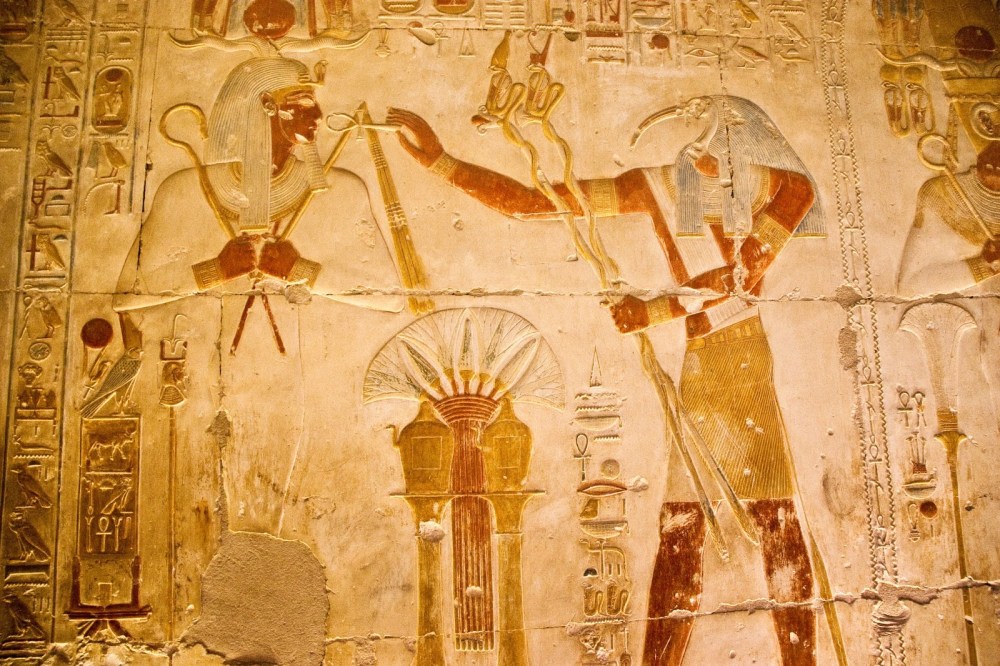
Alchemy reached its peak during the Islamic Golden Age, primarily between the 8th and 14th centuries, when scholars in the Islamic world made significant advancements in various fields, including alchemy. These scholars translated and expanded upon the works of ancient Greek and Egyptian alchemists, incorporating their knowledge into Islamic culture.
Alchemy relied on an intricate system of symbols and allegories to convey its teachings. These symbols possessed multiple layers of meaning and were employed to represent elements, processes, and spiritual concepts. Common symbols in alchemy encompassed celestial bodies such as the sun and moon, elemental representations, metals, and mythical creatures like the phoenix.
At the core of alchemy lay the concept of the philosopher’s stone. This legendary substance or catalyst was believed to possess the power to transform base metals into gold and silver through transmutation. Moreover, the philosopher’s stone was thought to possess medicinal properties and the ability to grant eternal life or spiritual enlightenment.
Alchemy shared a profound connection with the philosophical and spiritual tradition of Hermeticism. Originating from the writings attributed to Hermes Trismegistus. Hermeticism encompassed knowledge of both astrology and alchemy. It emphasized the principle of “as above, so below,” suggesting a correspondence between the macrocosm (the universe) and the microcosm (the individual).
Alchemy experienced a significant resurgence during the European Renaissance, particularly from the 14th to the 17th centuries. Influential figures such as Paracelsus and Isaac Newton delved into alchemical studies. This period witnessed the incorporation of more empirical methods into alchemy, setting the stage for the development of modern chemistry.
While alchemy is commonly associated with the pursuit of transmutation and the philosopher’s stone, it encompassed practical applications as well. Alchemists explored metallurgy, chemical processes, herbal medicine, and the extraction of substances. Some alchemical discoveries, including the distillation of alcohol and advancements in pharmaceutical techniques, laid the groundwork for progress in the fields of chemistry and medicine.
The Kybalion
The Kybalion is a book attributed to the Three Initiates, who were believed to have drawn from ancient Hermetic teachings. It serves as a guide to understanding the principles of Hermetic philosophy and their application in daily life.
The Seven Hermetic Principles are fundamental concepts that provide insights into the nature of reality, the interconnectedness of all things, and the underlying laws that govern the universe.
1. The Principle of Mentalism “All is mind; the universe is mental.”
This principle asserts that the fundamental nature of the universe is consciousness or mind. It suggests that everything we perceive and experience is a product of the mind, and that the external world is a reflection of our internal thoughts and beliefs. It emphasizes the power of the mind to shape our reality and encourages us to cultivate mindful awareness. If you believe that you are capable of achieving a goal and maintain a positive mindset, you are more likely to take the necessary actions and attract the resources needed to make it a reality. Your thoughts and beliefs shape your perception of the world and influence your experiences. The power of affirmations and positive thinking. By consciously directing our thoughts and beliefs towards our desired outcomes, we can influence our reality and attract opportunities that align with our intentions.

2. The Principle of Correspondence “As above, so below; as below, so above.”
This principle states that there is a correspondence and harmony between the different levels of existence. It suggests that patterns, laws, and phenomena observed in one realm or level of reality are reflected in others. It highlights the interconnectedness of the macrocosm (the universe) and the microcosm (the individual), and invites us to explore the relationships between different aspects of existence. The patterns of a fractal, where self-similar shapes repeat at different scales, exemplify the principle of correspondence. Similarly, the structure of an atom resembles the structure of a solar system, highlighting the correspondence between microcosm and macrocosm. The concept of “as within, so without.” The state of our inner being, including our emotions, thoughts, and beliefs, often reflects in our external experiences and relationships. Inner harmony and balance tend to manifest as external harmony and balance.
3. The Principle of Vibration “Everything is in motion; nothing rests.”
This principle asserts that everything in the universe is in a constant state of vibration. It suggests that energy is the underlying essence of all things, and that varying frequencies of vibration give rise to the diverse forms and phenomena we observe. It encourages us to become aware of the energetic nature of reality and to seek harmony and balance in our own vibrations. In the realm of sound, different musical notes and tones are created by vibrations of different frequencies. Similarly, in the realm of emotions, different emotional states have distinct energetic vibrations that can be felt and experienced. The power of resonance and attunement. When we align our own energy and vibration with what we desire, we become a magnet for experiences and circumstances that are in vibrational harmony with our intentions.
4. The Principle of Polarity “Everything has its opposite; opposites are identical in nature, but different in degree.”
This principle emphasizes the existence of duality and polarity in the universe. It suggests that every concept, quality, or phenomenon has its complementary opposite, and that they are essentially two aspects of the same thing. It reminds us that understanding and embracing both sides of a polarity leads to greater wisdom and balance. Light and darkness are polar opposites, yet they are both necessary for the experience of vision. Similarly, positive and negative experiences provide contrast and contribute to our growth and understanding in life. The principle of polarity reminds us that opposing forces are often interconnected and complementary. The dance of light and shadow within ourselves. Embracing and integrating our own shadow aspects, or the parts of ourselves that we may deem negative or undesirable, can lead to profound personal growth and transformation.
5. The Principle of Rhythm “Everything flows; everything has its tides; everything rises and falls.”
This principle acknowledges the existence of cycles, rhythms, and patterns in the universe. It suggests that everything experiences a natural ebb and flow, a rise and fall, and that these cycles are inherent to the process of creation and transformation. It reminds us to embrace the natural rhythms of life and to navigate its ups and downs with grace and adaptability. The cycles of day and night, the changing of seasons, and the rise and fall of tides all exemplify the principle of rhythm. Just as nature has its natural rhythms, our own lives have cycles of activity and rest, growth and introspection. The recognition of natural cycles and the importance of honoring rest and rejuvenation. Just as the seasons follow a cyclical pattern, our own lives have seasons of activity and rest. Honoring these rhythms and allowing ourselves periods of rest and reflection supports our overall well-being.
6. The Principle of Cause and Effect “Every cause has its effect; every effect has its cause.”
This principle asserts that there is a cause-and-effect relationship governing the events and phenomena in the universe. It suggests that every action, thought, and intention sets into motion a corresponding reaction or consequence. It reminds us to take responsibility for our choices and actions, knowing that they have an impact on ourselves and the world around us. If you plant a seed in fertile soil, provide it with water and sunlight, and tend to it, it will grow into a flourishing plant. The cause (planting and nurturing) leads to the effect (growth and flourishing). This principle reminds us that our actions have consequences and that we can consciously create positive effects through intentional causes. By consciously choosing actions that are in alignment with our values and goals, we can create positive ripple effects that impact our lives and the lives of others.
7. The Principle of Gender “Gender is in everything; everything has its masculine and feminine principles.”
This principle acknowledges the presence of masculine and feminine energies within all beings and aspects of existence. It does not refer solely to biological gender but rather to the dualistic energies and qualities that permeate creation. It invites us to honor and integrate the masculine and feminine aspects within ourselves, recognizing their creative and transformative power. In the creation of life, both the masculine (sperm) and feminine (egg) principles are necessary for reproduction. This principle is not limited to biological gender but also encompasses the energetic qualities associated with masculinity (action, assertion) and femininity (receptivity, nurturing). In any creative endeavor, the harmonious integration of these principles leads to balanced and fruitful outcomes. The integration of masculine and feminine energies within ourselves and our relationships. Balancing assertiveness and action (masculine) with receptivity and nurturing (feminine) allows for a harmonious and creative flow in all areas of life.
These Seven Hermetic Principles offer a profound framework for understanding the nature of reality, our place within it, and the interplay of fundamental forces and energies. By embracing these principles, and recognizing their presence in our experiences, we can navigate the complexities of life with greater wisdom, harmony, and purpose. we gain insights into the workings of the universe and can align ourselves with its harmonious rhythms, fostering personal growth, spiritual development, and a deeper understanding of the interconnectedness of all things.
“Divine Feminine and Divine Masculine“
In alchemy, the concepts of the divine masculine and divine feminine represent archetypal principles that transcend gender and are symbolic representations of universal energies or qualities. These principles are not limited to alchemy but can be found in various spiritual and mystical traditions.
As the alchemist traverses the realms of transformation, they encounter the divine feminine and divine masculine within themselves. The divine feminine embodies intuition, compassion, and wisdom. She whispers the secrets of the Moon, her nurturing energy guiding the alchemist’s journey through the lunar cycles of purification and release. The divine Masculine blazes with the solar fire, urging the alchemist to embark on the alchemical processes of calcination, fermentation, and coagulation.
Here’s a general understanding of the divine masculine and divine feminine in the context of alchemy.
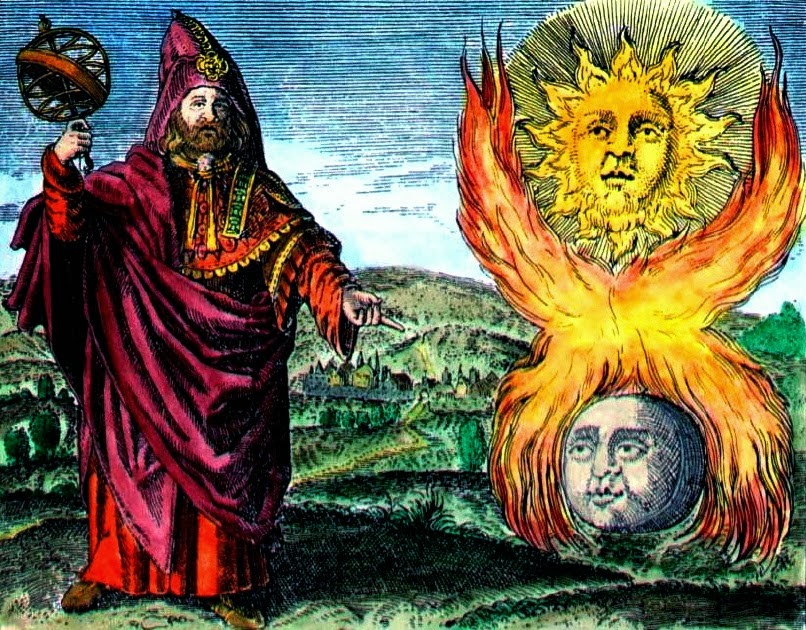
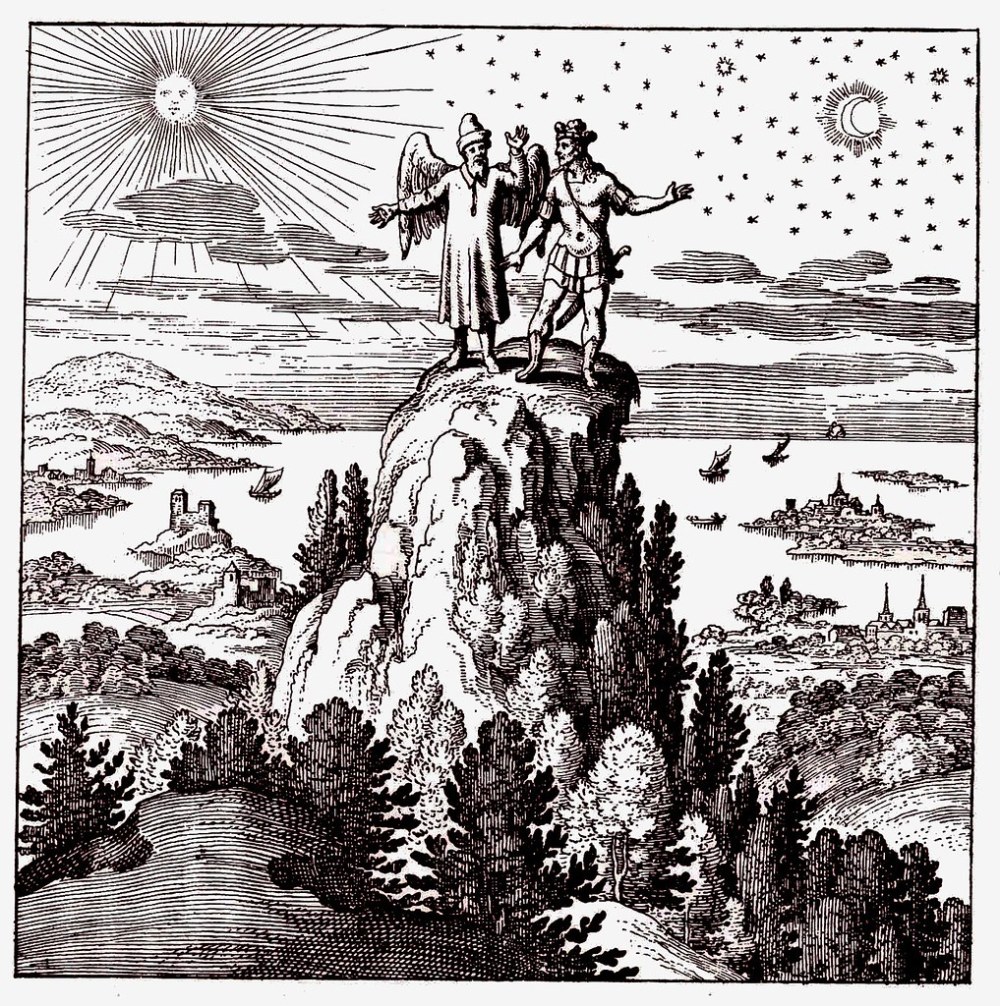
The Divine Feminine represents receptive, and inwardly oriented energies. It embodies qualities such as intuition, compassion, wisdom. It is associated with the Moon, water, and the element of mercury in alchemical symbolism. The divine feminine is seen as the creative and nurturing force, the container of transformation, and the principle of intuitive understanding. It is often connected to the process of dissolution and purification in alchemy, where the old structures are broken down and released.
The Divine Masculine, in contrast, embodies strength, action, and transformation. The divine masculine represents active, assertive, and outwardly oriented energies. It embodies qualities such as strength, power, logic, reason, discipline, and action. It is associated with the Sun, fire, and the element of sulfur in alchemical symbolism. The divine masculine is seen as the generative force, the will to manifest, and the principle of transformation through action. It is often connected to the process of calcination in alchemy, where intense heat and transformation occur.
The harmonious union of the divine feminine and divine masculine within the alchemist’s being is the key to unlocking their true potential. In alchemical philosophy, the goal is to unite and balance these divine masculine and feminine principles within oneself and in the alchemical work. This union is often referred to as the “chemical wedding” or “coniunctio,” symbolizing the integration of opposites and the attainment of wholeness. It is believed that the harmonious union of the divine masculine and divine feminine energies leads to a greater understanding of the self, spiritual transformation, and the realization of the higher self.
It’s important to note that the concepts of divine masculine and divine feminine go beyond gender and are not exclusive to alchemy. They are archetypal principles that can be found in various spiritual and esoteric traditions, representing the interplay of energies and qualities within the human psyche and the universe.
Here are a few more aspects related to the divine masculine and divine feminine in alchemy:
- Union of Opposites: The divine masculine and divine feminine in alchemy represent the union of opposites. They are seen as complementary forces that need to be integrated and balanced for the alchemical work to progress. This union reflects the alchemical principle of coincidentia oppositorum, the merging of polarities to achieve harmony and transformation.
- Inner Alchemy: The concepts of the divine masculine and divine feminine are not only applied externally but also within the alchemist’s own being. Inner alchemy involves the exploration and harmonization of these energies within oneself, seeking a balance between action and receptivity, reason and intuition, strength and gentleness.
- Alchemical Symbols: In alchemical symbolism, the divine masculine is often represented by symbols such as the Sun, the lion, the king, and the color gold. The divine feminine is represented by symbols such as the Moon, the dove, the queen, and the color silver. These symbols carry deeper meanings related to the qualities and energies associated with the divine masculine and divine feminine principles.
- Transmutation of Consciousness: The union of the divine masculine and divine feminine is seen as a transformative process that goes beyond physical and material aspects. It involves the transmutation of consciousness, leading to spiritual growth, self-realization, and the embodiment of higher states of awareness.
- Alchemical Relationships: The concepts of the divine masculine and divine feminine also apply to relationships and the dynamics between individuals. Alchemical partnerships emphasize the integration and balance of masculine and feminine energies within the relationship, fostering growth, harmony, and mutual support in the alchemical journey.
It’s worth noting that alchemy encompasses a wide range of philosophical, spiritual, and practical aspects, and interpretations may vary among different alchemical traditions and practitioners. The concepts of the divine masculine and divine feminine serve as archetypal representations of fundamental energies and qualities within the alchemical framework, inviting individuals to explore and integrate these principles on their own transformative paths.
“Salt, Mercury and Sulfur”
In the alchemical journey, the interplay between the three principles of sulfur, mercury, and salt reveals profound wisdom. “Three Principles” or “Tria Prima” formed a fundamental aspect of his philosophical and alchemical worldview. These three principles—sulfur, mercury, and salt—are not only the essential constituents of all matter but also played a significant role in understanding the human body and its ailments.
The dance of these three principles mirrors the dance of life itself, the interplay of spirit, mind, and matter. It is through their harmonious integration that the alchemist finds equilibrium and attains the alchemical goal of individuation, self-realization, and spiritual enlightenment.
🜍
Sulfur, associated with the divine masculine, represents the fiery and transformative aspects of the soul that propels the alchemist forward. It ignites the spark of inspiration, fuels the alchemical processes, and catalyzes the transformation of consciousness. Sulfur represented the active and transformative principle. It was associated with qualities such as heat, combustibility, and volatility. Sulfur was believed to be responsible for the processes of change, fermentation, and purification. Its the fiery, masculine, and spiritual aspect of the Three Principles.
☿
Mercury, the elusive element, bridges the realms of spirit and matter. It symbolizes the divine feminine, carrying the energies of intuition, facilitating communication. Just as mercury can change form effortlessly, so too does the alchemist navigate the realms of perception, integrating the spiritual and material dimensions. Mercury embodies the principle of fluidity, mobility, and transition. It represented the intermediate or mediator between different states and substances. Mercury was associated with qualities like liquidity, volatility, and adaptability. It is the watery, neutral, and transformative aspect.
🜔
Salt, the grounding principle, acts as the stabilizing force in the alchemical work. It represents the physical body, the earthly container through which the alchemist experiences and manifests their journey. Salt provides structure, balance, and endurance, allowing the transformative energies to be channeled and embodied. The third principle, was associated with stability, solidity, and preservation. It represented the fixed and enduring nature of matter. Salt was believed to provide structure, cohesion, and resistance to change. It is the earthy, feminine, and preserving aspect.
These Three Principles were not only present in external matter but also played a crucial role in the human body. The human body is composed of a microcosm that mirrored the macrocosm of the universe. Thus, the principles of sulfur, mercury, and salt were believed to exist within the human body, influencing its health, functioning, and balance.
The Three Principles extends beyond their material manifestations. It is the symbolic representations of spiritual and psychological elements within individuals, connecting them to broader metaphysical principles and the larger order of the cosmos.
“The 5 Sacred Elements”
In alchemy, the four basic elements are fundamental components that were believed to constitute all matter in the universe. Each element had distinct qualities, symbolism, and associations within alchemical philosophy.
The four elements were not only seen as the building blocks of the physical world but also as symbolic representations of different aspects of the human experience and the processes of transformation and spiritual growth. They were believed to interact and combine in various ways, influencing the qualities and properties of substances and individuals.
🜃
Earth represents the element of stability, solidity, and materiality. It is associated with qualities like grounding, manifestation, and practicality. Earth symbolizes the physical and the realm of the material world. In alchemical symbolism, earth is often depicted as a solid and stable substance, representing the foundation and structure of existence.
🜄
Water represents the element of fluidity, emotions, and the subconscious. It is associated with qualities like intuition, purification, and adaptability. Water symbolizes the feminine and the realm of emotions and the unconscious. In alchemy, water is often depicted as a flowing or still body, representing the ebb and flow of emotions and the transformative power of the subconscious.
🜁
Air represents the element of breath, movement, and intellect. It is associated with qualities like communication, thought, and inspiration. Air symbolizes the mental and the realm of ideas. In alchemical symbolism, air is often depicted as a flowing or swirling substance, indicating the dynamic and ever-changing nature of the mind.
🜂
Fire represents the element of heat, energy, and transformation. It is associated with qualities like passion, purification, and active change. Fire is seen as a symbol of the spiritual and the masculine principle. In alchemy, fire was considered a catalyst for transmutation and the process of refining and purifying substances.
✡
Quintessence (Aether): The quintessence, also referred to as aether, ether, or the fifth element, was associated with the celestial and spiritual realms. It represented the essence of purity, transcendence, and divine nature. The quintessence was considered incorruptible and eternal, serving as a bridge between the material and spiritual dimensions.
The quintessence was seen as a subtle and ethereal substance that permeated all things, connecting them to the divine. It was associated with qualities like light, energy, and spiritual enlightenment. The quintessence was believed to exist beyond the physical elements and was seen as the source of higher consciousness and spiritual transformation. In alchemical symbolism, the quintessence was often depicted as a radiant or luminous substance, representing its connection to the celestial and divine realms. It was considered the goal of the alchemical process, representing the attainment of spiritual perfection and unity with the divine.
“Nature and Cycles”
Nature, in its ever-changing cycles, mirrors the alchemical journey. Spring awakens the dormant energies, symbolizing new beginnings and the birthing of possibilities. Summer, with its warmth and abundance, represents the peak of growth and fruition. Autumn arrives, painting the world in vibrant hues of transformation, calling for reflection and release. Finally, winter descends, a time of introspection, where the alchemist dives into the depths of their being, shedding old layers and preparing for rebirth.

Spring
Spring is associated with the stage of birth, growth, and new beginnings. It symbolizes the initial awakening of energies, the emergence of potential, and the infusion of vitality. Spring represents the early stages of the alchemical process, where new ideas and possibilities start to take shape.
Summer
Summer is associated with the stage of expansion, abundance, and fruition. It symbolizes the maturation and growth of the alchemical work, where the energies reach their peak and potential is realized. Summer represents the culmination of efforts and the full expression of one’s creative and transformative powers.
Autumn
Autumn is associated with the stage of harvest, reflection, and release. It symbolizes the gathering of wisdom and experiences, the evaluation of what has been achieved, and the shedding of what is no longer needed. Autumn represents the process of distillation and purification, where the essence is extracted and preserved.
Winter
Winter is associated with the stage of stillness, introspection, and transformation. It symbolizes the period of rest, contemplation, and inner work. Winter represents the dissolution and breaking down of old patterns, allowing for deep transformation and the preparation for new cycles to come.
The seasons in alchemy are not just seen as literal descriptions of the external natural world but also as metaphors for the inner processes of the alchemist and the stages of spiritual and personal transformation. They represent the cyclical nature of existence, the interplay of energies, and the ever-evolving journey of the alchemist towards wholeness and spiritual enlightenment.
The 12 Zodiac Signs
The zodiac signs, the twelve celestial archetypes, guide the journey of the alchemist. Each sign is associated with specific qualities, planetary influences, and corresponding metals.
These zodiac-metal associations reflect the essence of each sign. They serve as alchemical catalysts, symbols of transformation, and keys to unlocking hidden potentials within the human psyche.
In alchemy, the 12 zodiac signs hold symbolic significance and are associated with different alchemical processes, qualities, and stages of transformation.

Aries (March 21 – April 19)
Aries is associated with the fire element and represents the initial stage of the alchemical process. It symbolizes the fiery energy, initiation, and the awakening of the creative force. Aries represents the stage of calcination, symbolizing fire and purification. It embodies the transformative power of fire that burns away impurities and purifies raw materials. This process is necessary to break down and transform the initial substance into its essential elements, preparing it for further refinement.
Taurus (April 20 – May 20)
Taurus is associated with the earth element and represents the consolidation and grounding of energies. It symbolizes stability, perseverance, and the fixation of materials. Taurus represents the stage of coagulation, symbolizing earth and consolidation. It signifies the process of solidification and manifestation of the alchemical work. Just as earth provides stability and structure, Taurus represents the creation of a solid foundation, where the transformed elements start to take shape and form.
Gemini (May 21 – June 20)
Gemini is associated with the air element and represents the process of separation and duality. It symbolizes communication, the exchange of ideas, and the need to differentiate and analyze. Gemini represents the stage of fixation, symbolizing air and stabilization. It embodies the process of stabilizing the transformed elements and establishing a harmonious balance between opposing forces. Gemini signifies the integration of dualities and the unification of different aspects into a cohesive whole.
Cancer (June 21 – July 22)
Cancer is associated with the water element and represents the process of dissolution and purification. It symbolizes emotions, intuition, and the breaking down of old patterns. Cancer represents the stage of dissolution, symbolizing water and dissolution. It signifies the breaking down and dissolution of existing structures, allowing for the release of trapped energies and emotions. This process creates a fertile ground for transformation and the emergence of new possibilities.
Leo (July 23 – August 22)
Leo is associated with the fire element and represents the stage of transformation and individuation. It symbolizes the creative and radiant energy, self-expression, and the integration of the ego. Leo represents the stage of digestion, symbolizing fire and assimilation. It embodies the process of refining and assimilating the purified essence into a more refined and elevated state. Like fire that transforms and purifies, Leo signifies the integration of the purified elements into the core of one’s being.
Virgo (August 23 – September 22)
Virgo is associated with the earth element and represents the stage of refinement and purification. It symbolizes attention to detail, discernment, and the perfecting of materials. Virgo represents the stage of distillation, symbolizing earth and extraction. It signifies the separation of impurities from the purified essence to obtain a more concentrated and refined substance. Virgo embodies the process of discernment and purification, where the essential qualities are extracted and refined.
Libra (September 23 – October 22)
Libra is associated with the air element and represents the stage of balance and harmony. It symbolizes justice, equilibrium, and the reconciliation of opposites. Libra represents the stage of sublimation, symbolizing air and elevation. It embodies the process of raising the purified essence to a higher level, transcending the limitations of the material realm. Libra signifies the pursuit of harmony, balance, and the elevation of consciousness.
Scorpio (October 23 – November 21)
Scorpio is associated with the water element and represents the stage of dissolution and transformation. It symbolizes the deep emotional processes, regeneration, and the shedding of old layers. Scorpio represents the stage of separation, symbolizing water and purification. It signifies the separation of the impure elements from the purified essence, leading to the emergence of a more refined substance. Scorpio embodies the transformative power of intense purification and the shedding of what no longer serves the higher purpose.
Sagittarius (November 22 – December 21)
Sagittarius is associated with the fire element and represents the stage of aspiration and expansion. It symbolizes the pursuit of higher knowledge, spiritual growth, and the exploration of new horizons. Sagittarius represents the stage of conjunction, symbolizing fire and unification. It signifies the blending and integration of different elements to create a harmonious whole, embodying the unity of opposites. Sagittarius embodies the expansion of consciousness, spiritual growth, and the pursuit of truth.
Capricorn (December 22 – January 19)
Capricorn is associated with the earth element and represents the stage of solidification and manifestation. It symbolizes discipline, structure, and the materialization of goals. Capricorn represents the stage of fermentation, symbolizing earth and transformation. It signifies the process of internal transformation and growth, leading to the emergence of a new and evolved state. Capricorn embodies the patient and disciplined approach to transformation, where the individual undergoes profound changes to reach higher levels of consciousness.
Aquarius (January 20 – February 18)
Aquarius is associated with the air element and represents the stage of individuation and collective consciousness. It symbolizes innovation, intellectual pursuits, and the breaking free from conventional norms. Aquarius represents the stage of distillation, symbolizing air and purification. It embodies the process of refining and purifying the essence, leading to the manifestation of higher spiritual and intellectual qualities. Aquarius signifies the pursuit of knowledge, innovation, and the liberation of the individual from limiting beliefs.
Pisces (February 19 – March 20)
Pisces is associated with the water element and represents the stage of completion and transcendence. It symbolizes intuition, spiritual connection, and the dissolution of boundaries. Pisces represents the stage of putrefaction, symbolizing water and dissolution. It signifies the breaking down and dissolution of the old structures and ego, paving the way for spiritual rebirth and renewal. Pisces embodies the surrendering of the self, intuitive wisdom, and the union with the divine.
Planets, Metals and Colors
in traditional astrology and alchemy, each zodiac sign is associated with a ruling planet or celestial body. These planetary associations provide additional symbolic meaning and influence the qualities and attributes attributed to each zodiac sign.
- Aries: Ruled by Mars, the planet of energy, action, and assertiveness.
- Taurus: Ruled by Venus, the planet of love, beauty, and harmony.
- Gemini: Ruled by Mercury, the planet of communication, intellect, and versatility.
- Cancer: Ruled by the Moon, which represents emotions, intuition, and nurturing.
- Leo: Ruled by the Sun, symbolizing vitality, creativity, and self-expression.
- Virgo: Ruled by Mercury, emphasizing practicality, attention to detail, and analysis.
- Libra: Ruled by Venus, highlighting balance, diplomacy, and relationships.
- Scorpio: Traditionally ruled by Mars, representing intensity, transformation, and passion. In modern astrology, some also associate it with Pluto.
- Sagittarius: Ruled by Jupiter, the planet of expansion, wisdom, and exploration.
- Capricorn: Ruled by Saturn, symbolizing discipline, structure, and responsibility.
- Aquarius: Traditionally ruled by Saturn, emphasizing individuality, innovation, and humanitarianism. In modern astrology, some also associate it with Uranus.
- Pisces: Ruled by Jupiter, representing spirituality, compassion, and imagination.
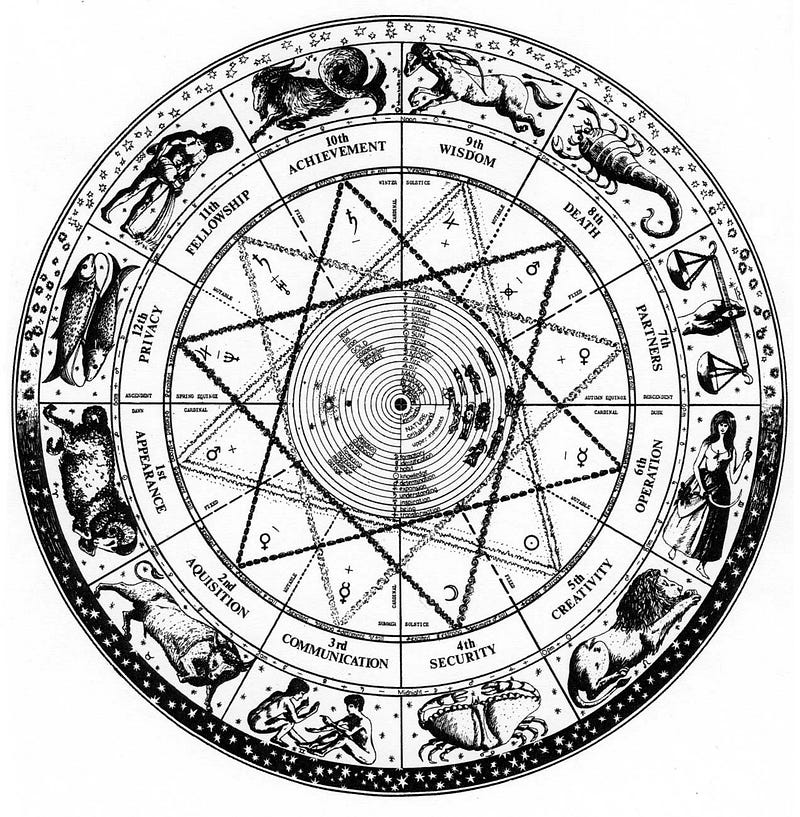
In traditional astrology and alchemy, each zodiac sign is also associated with a specific metal. These metal associations provide further symbolism and correspondences to the qualities and attributes, attributed to each zodiac sign.
- Aries: Iron, representing strength, assertiveness, and courage.
- Taurus: Copper, symbolizing beauty, abundance, and artistic expression.
- Gemini: Mercury, representing versatility, communication, and adaptability.
- Cancer: Silver, symbolizing emotional sensitivity, intuition, and lunar energy.
- Leo: Gold, representing nobility, self-confidence, and the radiant energy of the Sun.
- Virgo: Mercury (sometimes associated with Quicksilver or Virgin Silver), emphasizing precision, analysis, and intellectual pursuits.
- Libra: Copper (sometimes associated with Bronze), highlighting balance, harmony, and diplomacy.
- Scorpio: Iron (sometimes associated with Steel or Plutonium), representing intensity, power, and transformation.
- Sagittarius: Tin, symbolizing expansion, wisdom, and exploration.
- Capricorn: Lead, representing endurance, discipline, and the solid foundation.
- Aquarius: Aluminum, symbolizing innovation, originality, and the unconventional.
- Pisces: Tin (sometimes associated with Pewter), emphasizing sensitivity, compassion, and the fluidity of emotions.
These metal associations serve as additional symbolism and can be used in various contexts, such as alchemical symbolism, astrological interpretations, and even in talismanic practices. They provide further layers of meaning and connections to the qualities and energies attributed to each zodiac sign.
Colors hold significant symbolism in alchemy and are often associated with different stages, processes, and qualities within the alchemical tradition.These colors are often linked to the stages of transformation and the progression of the alchemical work.
- Black: Black is associated with the initial stage of the alchemical process and is often seen as the color of putrefaction, decay, and dissolution. It represents the breaking down of old structures and the release of impurities or negativity.
- White: White represents the purification and spiritual transformation that follows the stage of blackness. It symbolizes the emergence of purity, illumination, and the attainment of higher consciousness. White is often associated with the lunar energy and the reflective aspect of the soul.
- Yellow: Yellow is associated with the stage of fermentation and symbolizes the activation of the life force or spiritual energy within the alchemical work. It represents transformation, growth, and the manifestation of the vital essence.
- Red: Red represents the stage of calcination or heating, where intense heat and transformation occur. It symbolizes the fire element, passion, and the transmutation of base substances into higher forms. Red is often associated with the solar energy and the awakening of the spiritual will.
- Green: Green is associated with the stage of sublimation and symbolizes the integration and balance of opposing forces. It represents harmony, renewal, and the synthesis of the spiritual and material aspects. Green is often associated with the growth and vitality of nature.
- Blue: Blue represents the stage of dissolution and the purification of the soul. It symbolizes the water element, emotions, and the release of attachments. Blue is often associated with the celestial and the quest for spiritual truth and understanding.
- Purple: Purple is associated with the stage of conjunction, where the merging of opposites occurs. It symbolizes the union of spiritual and material, masculine and feminine, and represents wisdom, spiritual insight, and the attainment of higher states of consciousness.
These colors are not only symbolic representations of the alchemical processes but also convey deeper psychological, spiritual, and philosophical meanings within the alchemical tradition. They are used to describe and interpret the different stages and qualities of the alchemical journey, as well as the transformation of the alchemist’s inner self.
“The Philosopher’s Stone”
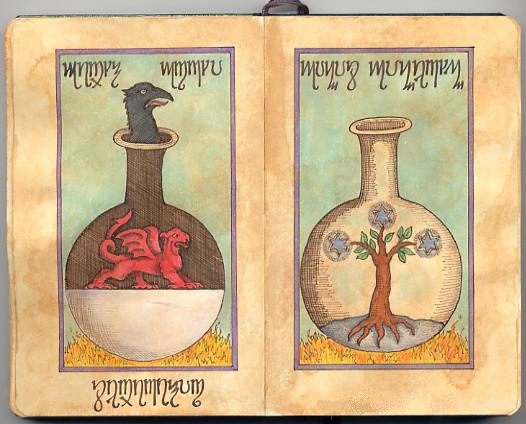
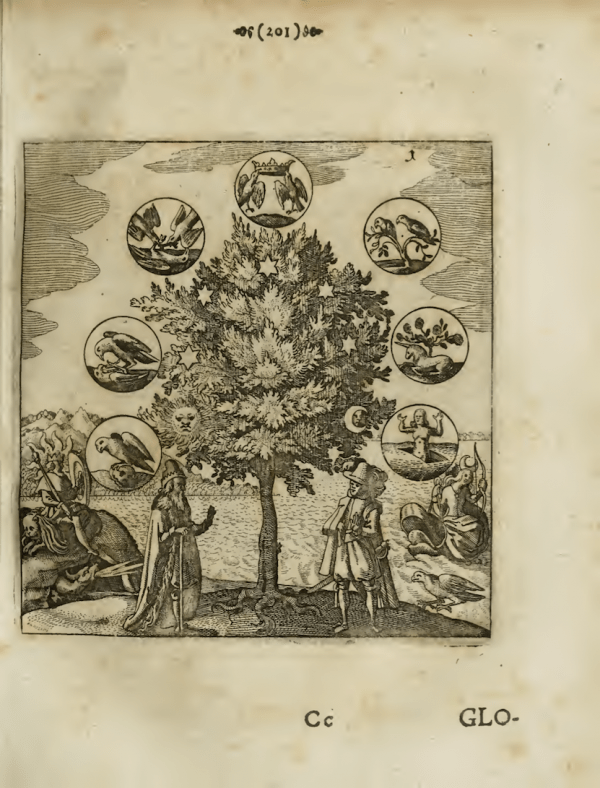
At the heart of alchemical pursuits lies the legendary Philosopher’s Stone, a symbol of perfection and the culmination of the alchemical work. The Philosopher’s Stone is believed to possess the power to transmute base metals into gold and grant immortality. However, its true nature is often seen as an allegory for the realization of the divine essence within oneself—the inner alchemical gold that brings about spiritual enlightenment and the union of the individual with the universal.
Alchemy extends beyond the transmutation of physical substances. It encompasses the transmutation of the soul and the spiritual evolution of the alchemist. Through the processes of purification, sublimation, and integration, the alchemist seeks to refine their inner being, shedding the impurities of the ego and aligning themselves with their higher self. This journey of self-transformation leads to the attainment of higher states of consciousness and spiritual enlightenment.
As the alchemist delves deeper into the mysteries of alchemy, they discover that the teachings extend beyond the confines of the laboratory or mystical realm. Alchemy becomes a way of perceiving and interacting with the world—an alchemical worldview. It is an invitation to recognize the interconnectedness of all things, to witness the transformational cycles in nature, and to embrace the inherent potential for growth and spiritual evolution.
“The Alchemical Mindset”
In this grand Art of alchemy, the alchemist becomes both the artist and the masterpiece. Through their dedication, perseverance, and integration of the various alchemical aspects, they embody the transformative power of the alchemical processes. They become conduits of divine energies, awakening the latent potentials within themselves and in the world around them. Alchemy is not limited to esoteric pursuits. Its principles and symbolism can be applied to everyday life, offering insights and guidance for personal growth and transformation. The alchemist recognizes that every experience, challenge, and interaction carries the potential for spiritual evolution. By embracing the alchemical mindset, one can navigate life’s trials and tribulations with awareness, intention, and an understanding of the transformative processes at play.
“Transformation”
Throughout history, alchemy has influenced various fields of knowledge and human endeavors. It has left its mark on the development of chemistry, medicine, psychology, and philosophy. Alchemical symbolism continues to inspire artists, writers, and spiritual seekers, weaving its way into literature, art, and esoteric practices. The legacy of alchemy reminds us of the timeless quest for transformation and the profound wisdom that lies hidden within the realms of the mystical and the mundane.
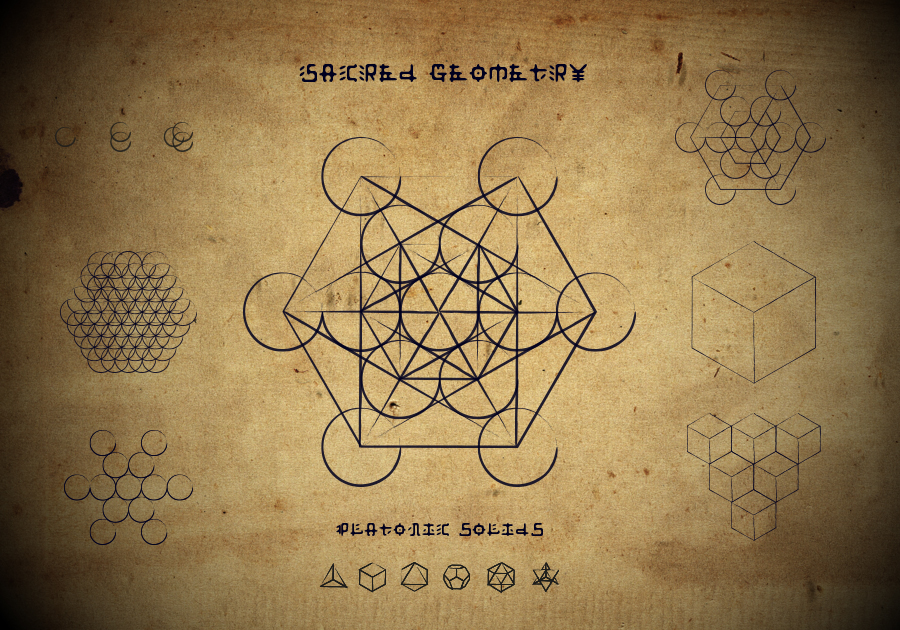
Alchemy intertwines with the principles of sacred geometry, revealing the underlying harmony and order in the universe. The golden ratio, geometric patterns such as the Fibonacci sequence and the Flower of Life, and symbols like the Vesica Piscis and the Seed of Life all hold significance in alchemical symbolism. They represent the divine blueprint that underlies creation and serve as keys to unlocking hidden knowledge and understanding.
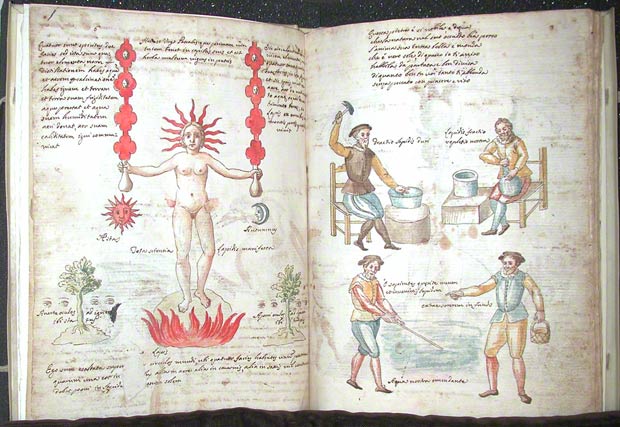
“Thus, The alchemical journey unfolds as a lifelong quest, a sacred dance between the elements, metals, colors, divine energies, zodiac archetypes, seasons, and the fundamental principles. It is a journey of self-discovery, inner transformation, and the realization of the inherent interconnectedness of all things—an alchemical symphony that continues to resonate throughout the ages”
“Alchemy teaches us that the greatest transformations often arise from the darkest places within us. Embrace the shadows, for they hold the keys to your true brilliance.”
“Just as the alchemist refines base metals into gold, so too can you transmute adversity into resilience and challenges into opportunities for growth.”
“In the alchemical journey, patience and perseverance are essential. Trust the process, even when it seems chaotic or uncertain. Transformation takes time, but the rewards are profound.”
“Alchemy reminds us that we are not separate from nature, but interconnected with its rhythms and cycles. Listen to the whispers of the wind, the wisdom of the trees, and the guidance of the stars.”
“The alchemical path is a personal quest for self-discovery. Embrace your uniqueness, for you are a vessel of divine potential. Embody your authentic self and let your light shine.”
“Alchemy teaches us that the external world is a reflection of our internal state. Cultivate inner alchemy, and watch as the world around you transforms to mirror your inner harmony.”
“Seek balance in all things. As the alchemist balances the elements and principles, strive to balance your own energies, thoughts, and actions. Find equilibrium within, and the world will respond in kind.”
“Alchemy invites us to embrace the unknown and venture into uncharted territories. Step outside your comfort zone, for it is there that true transformation and self-discovery await.”
“Alchemy reminds us that the journey is as important as the destination. Embrace the lessons, growth, and insights that each step of the alchemical process brings. Be present and savor the alchemical unfolding.”
“Alchemy teaches us that the power to transform lies within ourselves. Do not seek external validation or rely solely on others for your growth. Embrace your innate power and take ownership of your alchemical journey.”
“The alchemist knows that true wisdom comes from integrating the spiritual and the material. Embrace both realms, for they are two sides of the same cosmic coin. Ground your spiritual insights in practical action.”
“Above all, remember that alchemy is a personal and subjective journey. Embrace your own experiences, insights, and interpretations. Trust your intuition and follow the path that resonates deeply with your soul.”
 Herbal Panda