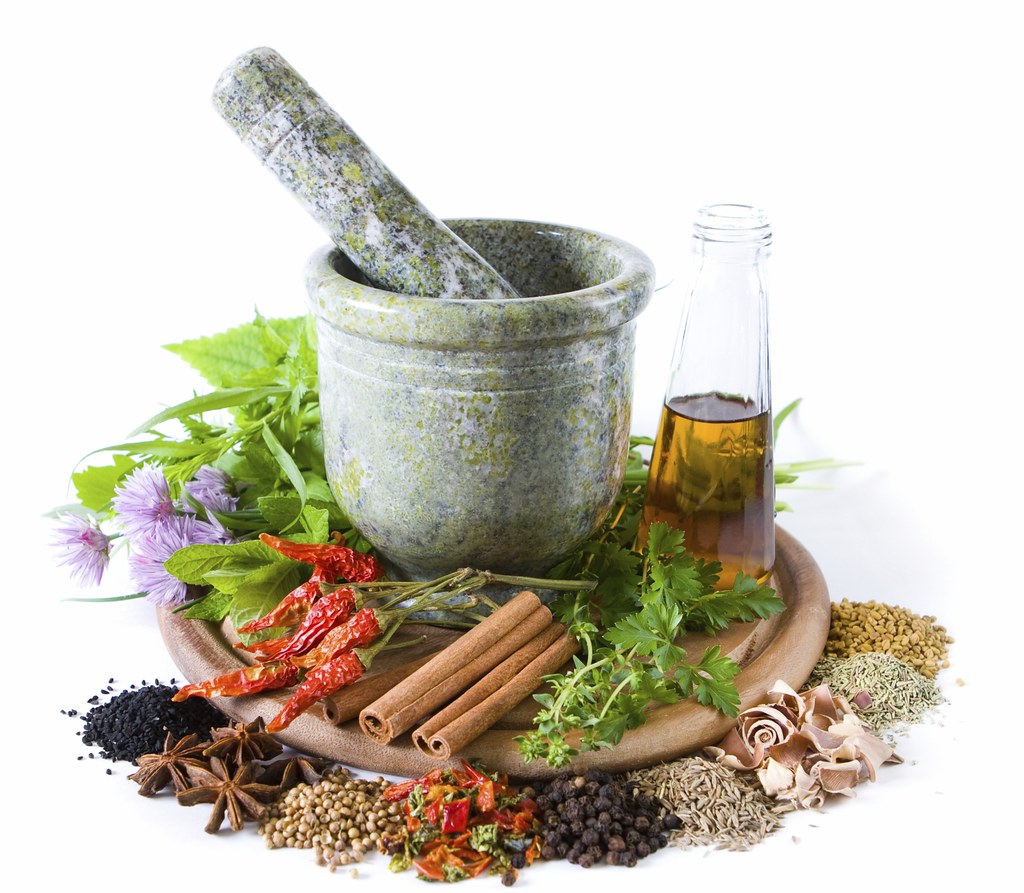
Essential oils have various effective applications, including
- Addressing infectious diseases.
- Managing psychic, nervous, and hormonal disturbances.
- Alleviating external inflammation.
- Supporting skin diseases and allergies.
- Assisting in metabolic diseases.
Deep cleanse
They possess antiseptic, detoxifying, harmonizing, and energizing properties. For instance, oils like thyme or oregano can act as antibiotics, antiseptics, and anti-fungals. In humans, it has been observed that inhalation of aromatic scents significantly affects brain waves.
Essential oils can activate the immune system (e.g., the melaleuca family), promote metabolism (e.g., fennel), stimulate the production of white blood cells (e.g., tea tree, lemon, chamomile, and lavender), and aid in the transportation of vitamins and minerals to cells. Certain oils, such as pinus sylvestris, facilitate optimal oxygen uptake. They also have detoxifying properties and help restore symmetry between the brain’s two hemispheres. Basil and geranium contribute to hormone balance by regulating the adrenal cortex.
Essential oils can help release energy blockages, reduce anxiety and stress, enhance moods, combat diseases, and mitigate the side effects of illnesses. When inhaled, aromatic molecules are absorbed by the lungs, enter the bloodstream through the alveoli, reach the heart, and are subsequently transported throughout the body. As a result, they have specific effects on different body parts. For example, certain oils have an impact on the digestive system.
Distillation
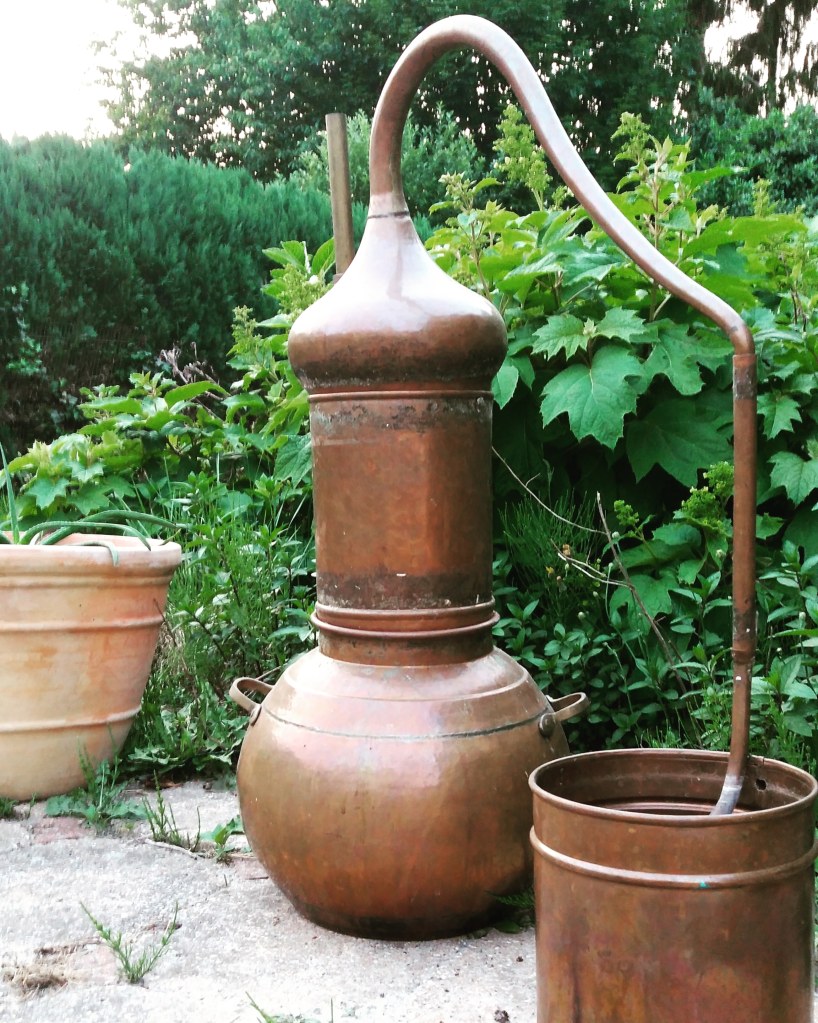
A distillation process conducted at atmospheric pressures and minimum temperatures can produce an essential oil that closely resembles the composition of the living plant.
Essential oils are obtained through steam distillation. While the temperature of steam extraction for a properly obtained essential oil is not high, the heat can cause chemical changes in the oil, leading to the presence of ingredients not originally present in the plant. These altered oils are referred to as artifacts, such as the blue oils of yarrow, helichrysum, and German chamomile (Chamazulene).
When oils are obtained through high-temperature and high-pressure distillation, as is done for commercial perfumes and food flavorings, numerous artifacts are produced, and many of the subtle healing constituents of the oil are destroyed.
It is essential to exercise caution when using essential oils. Ensure that you are using 100% natural oils and not synthetic ones, as synthetic oils can be dangerous and cause terrible side effects. Keep in mind that not all oils are suitable for internal use. Some can be ingested, but only for a limited duration, usually no longer than a week. Other oils should be avoided during pregnancy or if you have high or low blood pressure.
You do not necessarily need to consume essential oils orally to benefit from their effects. The molecules are small enough that they can penetrate the skin and enter the bloodstream when applied topically. This method is safer for many essential oils.
For example, if you apply eucalyptus or peppermint oil on the soles of your feet, you may notice the scent of the oil in your armpits after about 10 minutes. Not only can you smell the aroma, but you may also experience a cooling sensation in your armpits from the effects of peppermint or eucalyptus. This phenomenon highlights the fact that the molecules in these oils are small enough to easily penetrate the skin and enter the bloodstream. It is similar to how nicotine patches work. Nicotine can pass through the skin easily and enter the bloodstream when the patch is applied to the body.
The skin acts as a semi-permeable barrier, allowing certain substances to pass through. The molecular size and properties of a substance determine its ability to permeate the skin. In the case of essential oils, their volatile molecules are small enough to traverse the skin barrier, enabling them to be absorbed into the bloodstream and exert their effects throughout the body.
It’s important to note that while essential oils can be absorbed through the skin, their concentrations and effects may vary depending on factors such as the purity of the oil, the method of application, and individual variability. The use of essential oils varies from person to person, regardless of age or sensitivities of the nose, skin, or nervous system. Everyone reacts differently, has their own preferred scents, and may dislike certain smells. It is crucial for individuals to explore and discover their own preferences when using essential oils, as the provided recipes should be seen as general guidelines for comparison.
If you wish to use essential oils internally, you can dilute them with a base oil or honey. However, it is important to follow specific recommendations regarding the internal use of oils to ensure safety.
It is important to note that the molecules in essential oils cannot cause allergies. Allergies primarily occur in response to proteins or polypeptides, which are not present in essential oils. If reactions do occur with essential oils, they are typically detox reactions rather than allergic responses. Once the affected individual undergoes an effective cleansing process, the reaction to a specific oil should no longer occur. When essential oils are mixed with a fatty oil base for massage purposes, allergic reactions may become possible. It is important to clarify that these reactions are not related to the essential oils themselves, but rather to the fatty oil base.
While it is true that essential oils themselves do not typically cause allergies, it is important to note that they can still cause skin irritation or a burning sensation, especially oils such as Clove, Mint and Cinnamon. Essential oils, like Clove, Mint and Cinnamon, are known to have a strong and potentially irritating nature. When applied to the skin, these oils can cause a sensation of burning or irritation in some individuals, especially if they are used in high concentrations or applied directly to sensitive areas without proper dilution.
Essential oils are highly concentrated extracts derived from plants, and they contain potent compounds that can have various effects on the body.
It’s crucial to understand that everyone’s skin is unique, and individual sensitivities or reactions may vary. It is always recommended to perform a patch test before using any essential oil topically. This involves applying a small amount of diluted oil to a small area of skin and observing for any adverse reactions over a period of 24 hours. This helps to determine if you have any specific sensitivities or allergies to the oil.
Additionally, proper dilution and usage guidelines should be followed when using essential oils topically to minimize the risk of irritation. Most essential oils should be mixed with carrier oils, such as coconut oil or jojoba oil, to reduce their concentration and ensure safe application to the skin. Following recommended dilution ratios and using oils in moderation can help prevent skin irritation or burning sensations.
Acids can degrade and diminish the effectiveness of essential oils. When the blood in your tissues becomes more acidic, it compromises the beneficial properties of essential oils, requiring larger quantities to achieve the desired effects. Incorporating essential oils into your daily life has a unique benefit of increasing the alkalinity of the body. This does not mean that the oils themselves are alkaline, but rather how they interact with acids. While an acidic condition in the body can damage essential oil molecules, there are still advantages gained during this process. The harmful aspects of acids are the free hydrogen ions that can cause damage as they circulate throughout the body. When therapeutic grade oils are introduced into the body, their molecules willingly interact with and neutralize these hydrogen ions, sparing you from their negative effects. By reducing the levels of hydrogen ions (H+) in the body, the pH is elevated towards a healthier, more alkaline state. Consequently, even though essential oils are not inherently alkaline or acidic, their impact on the body is to promote alkalization and move towards improved health and well-being.
Many individuals with an unhealthy acidic condition in their systems may have a negative response to the scent of essential oils, describing it as unpleasant or intolerable. However, this reaction is not due to the oils themselves being inherently unpleasant. Rather, it is a result of the oils stirring up toxins that need to be eliminated. The unpleasantness is caused by the toxins, and undergoing detoxification is not always a pleasant experience, yet it is necessary for maintaining health and promoting longevity. As acidity and toxicity levels decrease, individuals may find that they actually develop a liking for and enjoy the very fragrances they previously could not tolerate.
This concept also applies to individuals with “acidic” personalities. Negative and destructive emotions, such as hate, resentment, bitterness, and anger, act as spiritual acids that erode our peace, happiness, and connection with others. Acidic individuals may exhibit negative responses to essential oils, indicating that unpleasant thoughts or feelings have been stirred up by the oils, which they have been unwilling to confront, choosing instead to suppress them in their unconscious mind. This phenomenon forms the basis for emotional release with oils, where essential oils are used by individuals willing to improve themselves, allowing the oils to bring repressed emotions to the surface, where they can be released.
Aroma Therapie
Aromatherapy or aromacology represents a harmonious and holistic approach to healing, encompassing both the physical and spiritual aspects of an individual. This therapeutic practice harnesses the power of essential oils extracted from plants to provide profound support and relief.
In essence, aromatherapy has been intertwined with human existence since time immemorial. Since the very dawn of our existence, the captivating world of scents and fragrances has shaped our lives. Our sense of smell, intricately linked to the limbic region of the brain, has guided us and ensured our survival. It is through this ancient connection that aromatherapy finds its roots.
Acknowledging the invaluable contributions of the perfume industry and its innovative advancements, aromatherapy has blossomed into the remarkable discipline it is today. Over the course of history, significant strides have been made in refining distillation techniques and crafting exquisite fragrances. These advancements have propelled the field of aromatherapy forward, unlocking its full potential in supporting our well-being and enriching our lives.
As we continue to unravel the mysteries and therapeutic possibilities of essential oils, the art and science of aromatherapy flourish, offering a profound and captivating journey of healing and transformation.
The English school of aromatherapy proudly embraces 53 timeless essential oils, while an abundance of approximately 200 additional oils grace the market. With a primary focus on the art of massage, these oils are skillfully blended into a nourishing base oil, typically at concentrations of 2-5%. On the other hand, the French school of aromatherapy encompasses a more versatile approach, employing a wide range of methods such as massage, inhalation, ingestion, dilution, direct application, capsules, suppositories, and beyond.
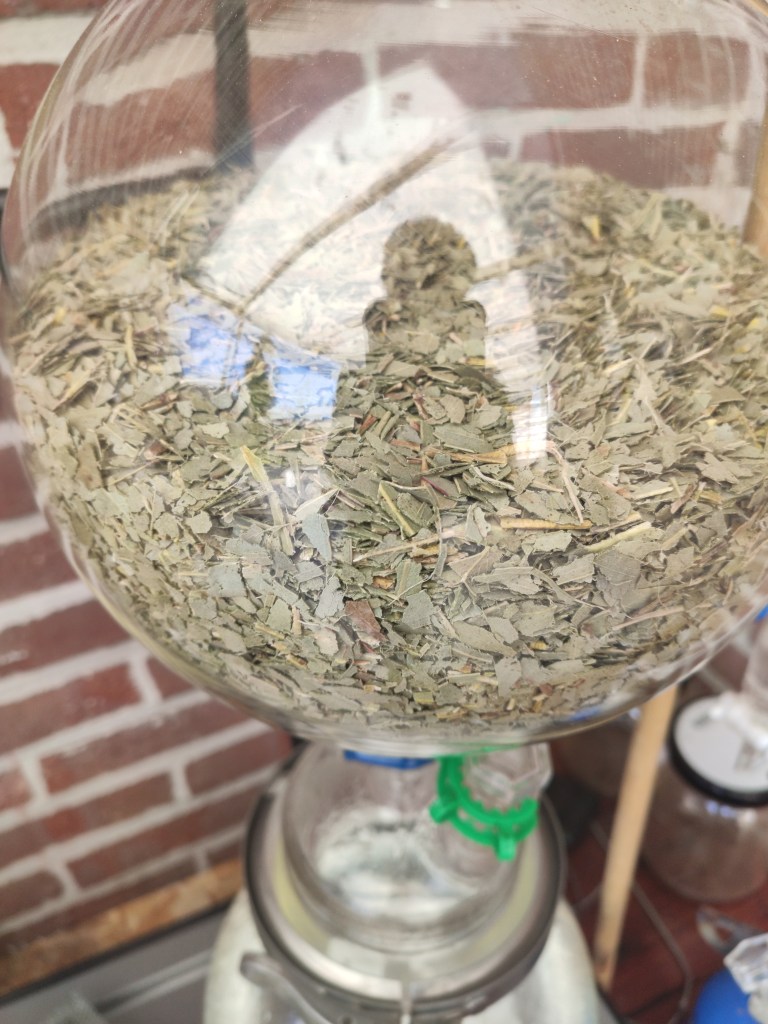
Aromatherapy serves as a steadfast ally in addressing a myriad of health concerns. From alleviating stress, anxiety, and depression to combating insomnia and chronic fatigue, its holistic benefits extend to tension-related ailments, acne and skincare, hair loss, wound healing, bruising, sprains, pain relief in rheumatic conditions, and even combating infectious diseases caused by viruses, bacteria, and fungi—truly an extensive array of applications too numerous to capture in a mere mention. Rooted in ancient wisdom, this therapeutic modality harnesses the healing power of aromatic essences derived from flowers and plants. The potency of the treatment is most pronounced when the fragrances are pleasant to the senses. Remarkably, our bodies, particularly our olfactory organs, possess an innate wisdom to instinctively gravitate towards the scents that our being craves at any given moment. Nevertheless, it is important to note that fragrance alone does not dictate the efficacy of an oil. Even in the absence of a distinct aroma, the therapeutic impact remains intact, as exemplified by the process of evaporation. Embarking on your aromatic journey may appear daunting amidst the sea of diverse oils. To commence this enchanting exploration, one might consider embracing the timeless trio of eucalyptus, lavender, and basil. Embrace the captivating world of aromatherapy as it unfolds before you, unveiling its wonders and weaving its aromatic tapestry of well-being and vitality.
The interest in aromatherapy is flourishing, driven in part by our growing awareness of the adverse effects of chemical medicines that frequently disrupt the body’s innate healing mechanisms. Additionally, the allure of fragrances has surged, making it even more enticing. Alongside this, the popularity of alternative medicine has been steadily on the ascent.
It is worth noting that numerous ailments find their roots in the human psyche, which accentuates the significance of holistic healing. By embracing a comprehensive approach, we acknowledge the interconnectedness of mind, body, and spirit, thus fostering profound well-being. Aromatherapy encompasses the exquisite artistry and expertise of employing individual and harmonious blends of essential oils to alleviate both mental and physical afflictions. When administered with precision, these oils bestow their incredible benefits without any undesirable side effects. In harmony with the principles of natural medicine, the objective is to invigorate and fortify the patient’s vitality and innate capacity for self-healing. Essential oils possess the remarkable ability to restore equilibrium to any imbalances that may arise, exerting their profound influence on both the corporeal and ethereal realms. Their paramount attribute lies in their remarkable power to harmonize the body.
How Essential Oils Interact
How they gracefully interact within the human body, mirroring their splendid dance within the realm of plants. Like delicate conduits of vitality, they gracefully traverse plant tissues, permeating cell walls, nourishing each precious cell while whisking away waste products. In their ethereal essence, they vanquish viruses, bacteria, parasites, and fungi, dissuading animal pests with their unwelcome tastes and enchanting aromas. They repel both insects and ailments, acting as verdant guardians, warding off encroaching plants and shielding against desiccation and scorching sunrays. Carotenoids, those mesmerizing tetraterpenes, humbly lower the frequencies of sunlight, while the celestial platyphyllol in cajeput bestows its protective touch, blocking the relentless UV rays, finding its place in the realm of commercial sunscreen lotions.
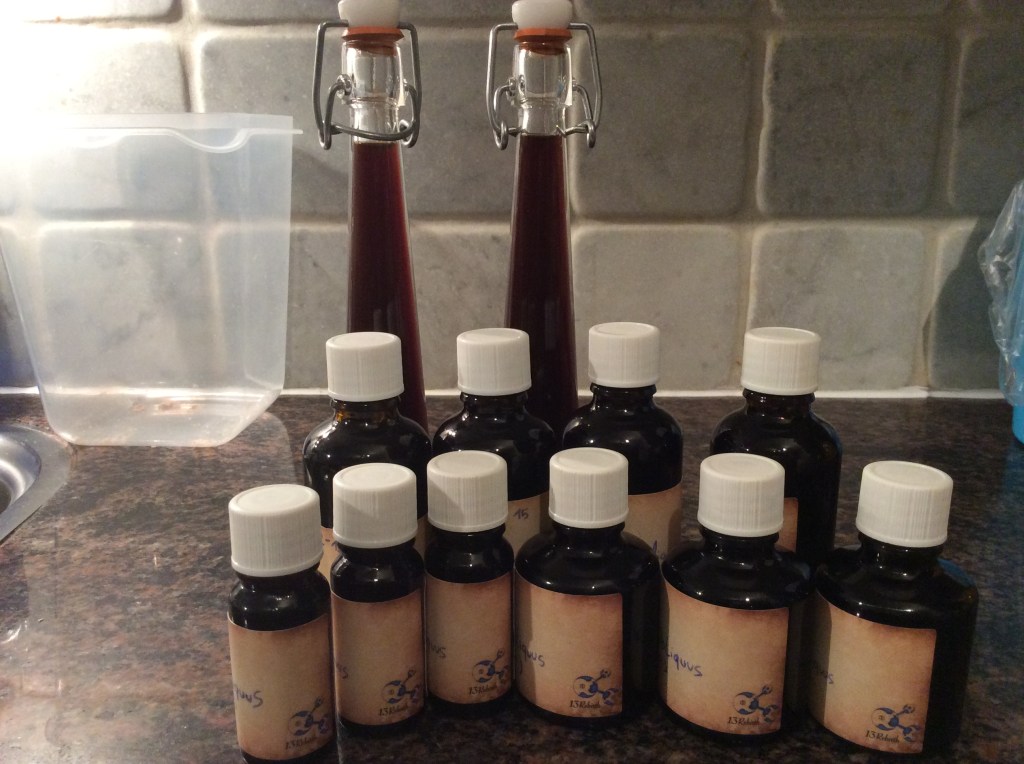
Enchantingly intertwined with the human form, these divine essences extend their benevolence, graciously supplying our cells with life-sustaining oxygen, purging our delicate vessels of waste products, chemicals, heavy metals, and toxins. They magnify our ability to absorb the quintessential minerals and vitamins that nourish our being, unveiling a multitude of roles within the symphony of our existence. Within them lies a vast spectrum of neurotransmitters, peptides, steroids, hormones, enzymes, vitamins, and ligands, those neutral molecules or ions delicately supporting the harmonious symphony of our bodily functions. The intelligence these essential oils possess, an innate wisdom woven deep into the very essence of their being. With unwavering devotion, they tirelessly endeavor to restore equilibrium, to kindle harmony within the delicate fabric of homeostasis where regulation and maintenance reign supreme. Seamlessly adapting, they remain attuned to the needs of both plant and human, embracing their role as healers and harmonizers.
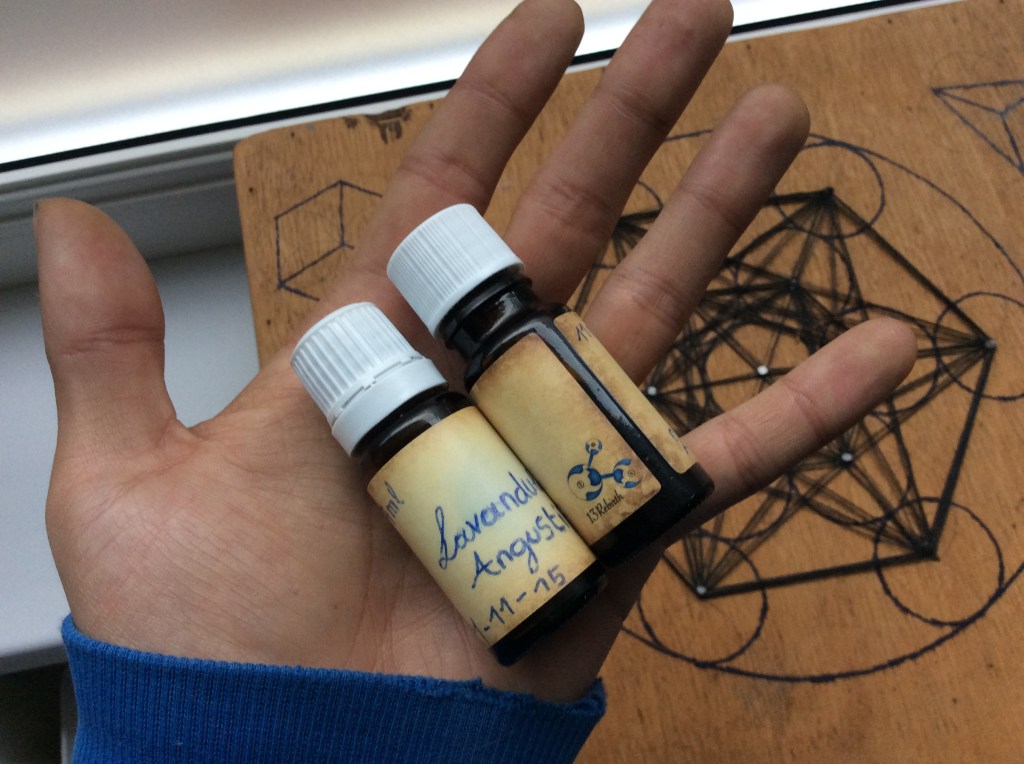
Marvel at the humble oregano, armed with the power to vanquish harmful microbes while nurturing and safeguarding the benign ones, fostering a delicate balance within. The wonders that these oils behold! Their effects, like a symphony of sensations, range from invigorating to serene, from stimulating to soothing. Each precious drop, dictated by the exquisite intricacies of dosage and composition, unravels a unique essence. Lavender, angelica, myrtle—they unfold before us, igniting a profound sense of serenity or stirring our spirits with revitalizing fervor. The prevalence of autoimmune diseases, fungal infections, and allergies is on the rise, a consequence of our frenzied modern lifestyle, relentless exposure to noise and light pollution, inadequate nutrition, excessive consumption of harmful fats, and overreliance on medicines. Pathogens are developing resistance, posing a formidable challenge. Antibiotics, while effective in treating certain ailments, can inadvertently disrupt the delicate balance of our immune-supporting flora in the intestines, mouth, vagina, and skin. This disruption may lead to the emergence of new viral or bacterial diseases, perpetuating a vicious cycle necessitating further antibiotic use.
In contrast, essential oils provide a ray of hope. Unlike antibiotics, they leave the intestinal flora intact, making them exceptionally suited for addressing viral diseases, autoimmune disorders, and conditions resistant to conventional treatments. With their diverse array of components, essential oils thwart the development of resistance in bacteria and viruses. Through processes like oxidation, these oils continually generate new chemical constituents, rendering viruses, bacteria, and fungi defenseless against them. The time will come when essential oils, armed with the analytical tools of gas chromatography, mass spectrometry, and aromatograms, will rightfully claim their place in medical care.
Aromatherapy’s popularity is on the rise, and promising results are being achieved. However, it is crucial to seek the guidance of a physician and obtain a clear diagnosis before embarking on essential oil treatment. Aromatherapy is not a panacea, but it offers invaluable support to the intricate workings of the human body and the battle against viruses, bacteria, and fungi. For wound healing, bruises, sprains, and circulatory issues, remarkable outcomes are attained by combining various essential oils in a suitable base oil.
Aromatherapy and phytotherapy cannot be neatly separated; instead, they intertwine harmoniously. They complement one another, and I wholeheartedly recommend their combined use. In the descriptions of essential oils, I will often highlight not only their individual components but also encompass the entirety of a tree, plant, flower, and more.
 Herbal Panda