
Cinnamon and Cassia: Botanical Overview, Quills, Oils, and Storage
Cinnamon, or cinnamon bark, is derived from the dried bark of slender branches and twigs of various Cinnamomum species, prized for their aroma and historical use. Hundreds of Cinnamomum species grow naturally in Asia and Australia, from evergreen trees to shrubs, each with distinctive aromatic properties.
Notable species include:
- Cinnamomum verum (true cinnamon or Ceylon cinnamon), native to Sri Lanka, historically valued for culinary, aromatic, and traditional uses.
- Cinnamomum zeylanicum, also from Sri Lanka, closely related to C. verum.
- Cinnamomum cassia (Cassia or Chinese cinnamon), widely traded and used in culinary and aromatic applications.
- Cinnamomum camphora (Camphor tree), traditionally studied for its aromatic compounds.
- Cinnamomum burmanii (Indonesian cassia), used historically in perfumery and traditional preparations.
- Cinnamomum loureirii (Vietnamese cassia), recognized for aromatic qualities.
- Cinnamomum tamala (Indian cassia or tejpat), historically used in culinary and aromatic applications.
These species reflect centuries of human interaction with aromatic plants, where the fragrance, flavor, and historical use of cinnamon have inspired both culinary traditions and aromatic arts.

Quills and Ground Cinnamon
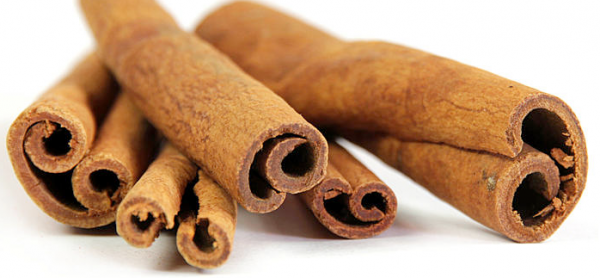
Cinnamon and cassia bark are traditionally rolled into “quills” or pipes:
- True cinnamon quills curl inward from both sides, forming fine, layered spirals.
- Cassia quills curl inward from one side.
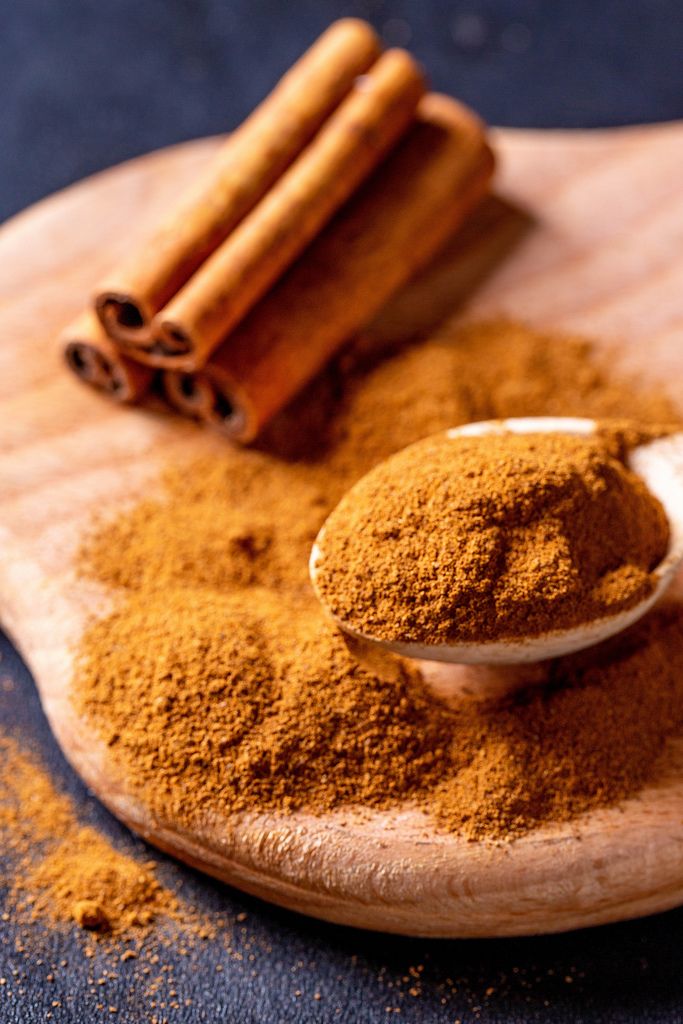
Ground cinnamon may contain a mixture of both true cinnamon and cassia. Quills are harvested at lengths of about one meter and typically shortened to ~8 cm for trade. Cinnamon and cassia are sold as rolled quills, broken bark, or powdered forms, with colors ranging from pale yellow to deep brown. Quill quality is traditionally assessed by the thinness of the rolls: thinner quills are more highly valued.
Essential oil content from cinnamon bark is approximately 1–3.5%, primarily containing cinnamaldehyde, which is responsible for the characteristic aroma. Oil extraction often uses processing remnants from the quill industry.
Storage and Transport:
Proper handling is essential to preserve aromatic and structural quality. Cinnamon should be stored in a cool, dry, well-ventilated environment, away from sunlight, moisture, and contaminants.
During transport, it is crucial to protect cinnamon from dirt, dust, grease, oil, and humidity. These factors can cause chemical changes, such as the conversion of cinnamaldehyde into styrene. Styrene can irritate the respiratory tract, eyes, and skin in high concentrations. To maintain quality, optimal transport temperatures are between 15–19°C
Powdered cinnamon and broken bark are typically stored in airtight containers to retain aroma and prevent contamination. These practices reflect centuries of craftsmanship and highlight the aromatic, culinary, and cultural significance of cinnamon and cassia.
Cassia and Cinnamomum verum are typically rectified in the country of import for sale to end users. Cassia and Cinnamomum verum are predominantly used as spices, with Indonesian cassia being used for oleoresin production in North America. In China, the bark is used for medicinal purposes, with oil production being a secondary concern.
Harvesting and Production:
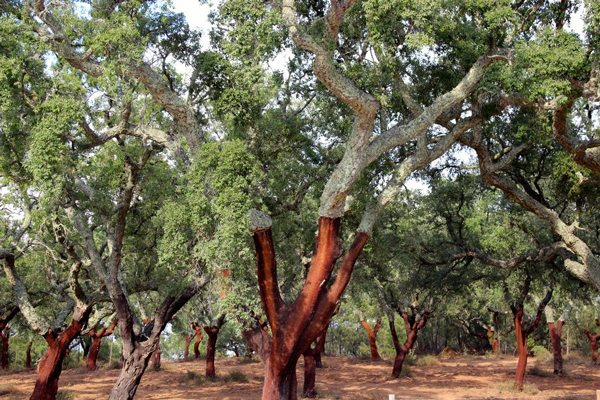
Cinnamomum species are easy to prune, and the production of cinnamon rolls involves cutting the trunks after the tree has stabilized, followed by harvesting at intervals. The first harvest occurs after 3-4 years. Quality and yield improve with pruning and cutting, typically done during the wet monsoon to facilitate peeling the bark.
Cinnamon Bark Oil:

Cinnamon bark oil has the characteristic aroma of the spice and a sweet, pungent taste. Its primary component is cinnamaldehyde, along with many other components. The oil is used mainly in the food industry, including meat, fast food, sauces, pickles, bakery products, sweets, confectionery, beverages, tobacco flavoring, and pharmaceutical applications. Its use in the perfume industry is limited due to its potential to irritate the skin. Historically, Sri Lanka was the sole supplier in the 1980s and 1990s, exporting no more than 2.8 tons. Today, the European Union, particularly France, is the largest importer, followed by the USA. The price of cinnamon bark oil in 1992 was approximately US $385/kg.
The oil is traditionally produced by distilling pieces of bark and twigs, usually through hydro-distillation (a method where plant material and water are boiled together). Modern steam distillation is also used.
Cinnamomum Leaf Oil:
Leaf oil contains more eugenol than cinnamaldehyde, giving it a harsher odor. It is used to produce iso-eugenol for the fragrance industry and is also used in food, soap, and insecticides. The annual global demand for cinnamomum leaf oil is about 120-150 tons, supplied mainly by Sri Lanka, with smaller contributions from Madagascar, Seychelles, and India. ISO standards for leaf oil require 75-80% phenol and a maximum of 5% cinnamaldehyde.
Leaf oil is distilled from dried leaves and stems using traditional wooden stills or steam distillation.
Cinnamomum Cassia:
Cassia oil is distilled from a mixture of leaves, twigs, and pieces of bark. China is the largest producer, with an estimated output of 500 tons. Cassia oil, like other types, contains cinnamaldehyde as its main component and is used in beverages, baked goods, sauces, sweets, and liqueurs.
Varieties and Research:
Cinnamomum camphora, for example, can have varied chemotypes, including camphor, safrole, or cineole. Cinnamomum camphora is also a source of natural linalool, used as a replacement for other sources like leaf oil and rosewood.
Research conducted by the Forest Research Institute of Malaysia has found that Cinnamomum mollisimum and Cinnamomum iners produce an oil rich in benzyl benzoate, useful in insecticide preparations. Cinnamomum tamala leaves are used both as a spice and for oil production, featuring varied chemotypes like cinnamaldehyde or eugenol. Other notable species include Cinnamomum loureirii (Vietnamese cassia), Cinnamomum burmannii (Indonesian cassia), and Cinnamomum porrectum (Chinese cassia oil used in perfumery).
Research Summary:
Study Reference: Diabetes Care, 2003; 26: 3215-3218
Authors: Alam Khan, Mohammad Mizaffar Ali Khan, Khan Nawaz Khattak
Affiliations: University of Peshawar, Hayatabad Medical Complex, Peshawar, Pakistan; Human Nutrition Research Centre, Beltsville, Maryland, USA
Study Design:
A clinical study was conducted involving participants with type 2 diabetes, who were divided into a study group and a placebo group. The study assessed the effects of daily cinnamon consumption at doses of 1, 3, or 6 grams bark over a period of 40 days, followed by a 20-day observation period without intervention.
Findings:
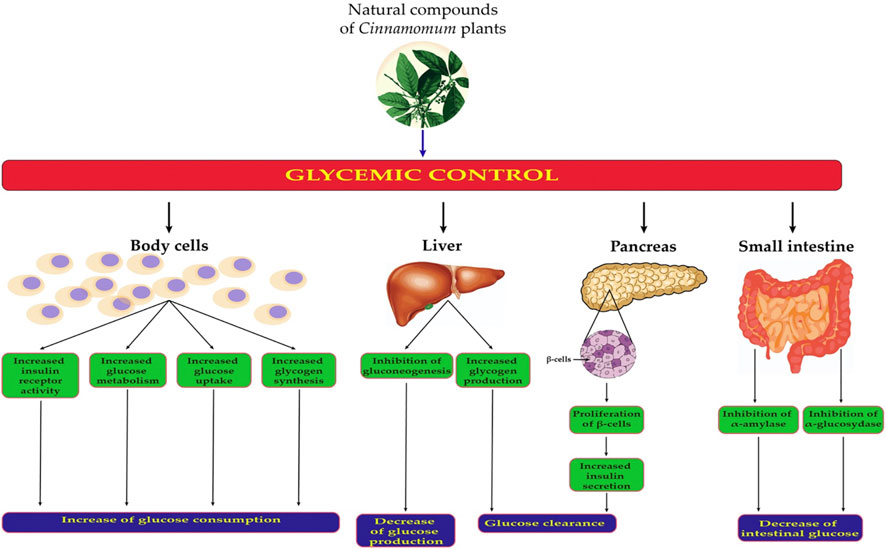
- Serum Glucose Levels: All cinnamon-dosed groups experienced a reduction in serum glucose levels ranging from 18% to 29% after 40 days.
- Triglycerides: A decrease of 23% to 30% was observed in triglyceride levels, which are fatty acid compounds associated with sugar and fat metabolism.
- LDL Cholesterol: Reductions in LDL cholesterol levels ranged from 7% to 27%.
- Total Cholesterol: A decrease in total cholesterol was noted, ranging from 12% to 26%.
In contrast, the placebo group did not show significant changes in serum glucose, triglycerides, LDL cholesterol, or HDL cholesterol levels.
Conclusion:
The study concluded that incorporating cinnamon into the diet of individuals with type 2 diabetes can effectively reduce several risk factors associated with the disease, including blood glucose levels, triglycerides, and cholesterol levels. This suggests that cinnamon may offer beneficial effects in managing diabetes and associated cardiovascular risks.
Historical Context:
Cassia has been utilized for thousands of years across China and Egypt. Herodotus, the ancient Greek historian, described it as growing in Arabia alongside myrrh, frankincense, and labdanum, and noted that it was guarded by winged serpents. Theophrastus, another ancient scholar, provided a detailed account of the plant, although he believed that worms consumed the wood, leaving only the bark. Dioscorides, a Roman physician, confused the plant with a type of water lily. Pliny the Elder documented the trade route across the Red Sea and noted that a Roman pound (approximately 327 grams) of cassia or cinnamon cost 300 denars, equivalent to ten months’ wages. Romans used cassia as a wine additive, a practice also followed by the Greeks, who mixed it with absinthe. The Greeks valued it as a spice, while the Egyptians incorporated cassia and cinnamon into kyphi, a sacred aromatic mixture burned in religious ceremonies.

In its regions of origin, cassia serves both culinary and medicinal purposes. It is traditionally used to address kidney ailments, digestive issues, and colds. In Chinese medicine, cassia is primarily employed to treat vascular conditions and is an integral component of five-spice powder, which includes cassia, Szechuan pepper, cloves, fennel, and star anise. Research has also indicated that cassia may offer protection against radiation. While high doses of cassia act as a sedative, lower doses can stimulate the nervous system.
Cassia’s anti bactericidal properties render it valuable in the pharmaceutical industry, where it is incorporated into toothpaste and mouthwash. Additionally, it is utilized as a flavoring agent in soft drinks and, although often mixed with true cinnamon in trade, this practice can lead to elevated coumarin levels, which may affect quality and safety.

Cassia is celebrated for its extensive range of therapeutic properties, which makes it a valuable component in both traditional and modern medicine.
Family: Lauraceae
Part Used: Branches, twigs with leaves, and bark.
Cassia yields two distinct essential oils through steam distillation:
- Essential Oil from Leaves:
- Appearance: Initially brown-yellow, it purifies to a light yellow.
- Aroma: Sweet, woody-spicy, and enduring, with a subtle bitterness.
- Content: Extracted from the leaves, this oil is characterized by its refined and delicate scent. Requires 60-200 kg of leaves to produce 1 kg of essence
- Essential Oil from Bark, Twigs, and Stems:
- Appearance: A rich, dark brown – yellow liquid .
- Aroma: Intensely spicy and resinous, with a potent fragrance.
- Content: Requires 60-80 kg of bark to produce 1 kg of essence. This oil is heavier, more viscous, and solidifies more quickly than Ceylon cinnamon oil. It is noted for its sweet, spicy, and warming scent.
The essential oil content ranges from 1-2%, reflecting the concentrated nature of its extraction.
Overview of Cassia:
Regulatory Status: Cassia is officially recognized as an essential oil in the United States and the German Pharmacopoeia.
Applications:
- Perfumery: Cassia is utilized as a base or middle note in the perfume industry.
- Food and Household Products: It is incorporated into various food and household items.
Historical Context and Distribution: The spice was widely disseminated across Europe by the Portuguese and later by the Dutch. Cassia, also known as Chinese cinnamon, is closely related to true cinnamon.
Botanical Characteristics:

- Origin: Native to Southeast China, with smaller populations found in India and Vietnam.
- Current Cultivation: Originally, Vietnam was a major supplier of Saigon cinnamon until the 1960s. Due to wartime disruptions, Sumatra assumed this role. Today, cassia is also cultivated in Japan, Indonesia, and Vietnam, with commercial plantations in China and Vietnam.
- Tree Description: The cassia tree can grow up to 20 meters tall, is evergreen, and bears thick, leathery leaves with yellow flowers in the summer. It resembles a Cassia laurel tree and produces berries.
- Bark Processing: The bark, which is thicker and darker than that of true cinnamon, is harvested, dried, and processed similarly to cinnamon bark. The drying process causes the bark to roll up on one side. The resulting sticks are sharper and more bitter than those of true cinnamon. The bark is often sold in reddish-brown tubes or ground form.
Culinary Uses:
- Flavor Profile: Cassia has a more aggressive, full, and sharper aroma compared to true cinnamon. It is predominantly used in American and Canadian cuisines, while true cinnamon is favored in Europe and Mexico. Cassia is commonly added to various curry blends, sausage seasonings, biscuit spices, and Chinese spices.
- Global Cuisine: In the Arab world, cassia is used to season meat dishes. Its carbolic acids contribute to preventing spoilage in food. Additionally, dried cassia berries are utilized in liqueurs and sweets. Cassia is a staple in both Chinese and Indian cuisines, particularly in curries.
Comparison with True Cinnamon:
- Flavor and Aroma: Cassia sticks are sharper and more bitter than those of true cinnamon. The dried berries resemble cloves in appearance.
Efficacy and Applications of Cassia
- Astringent: Cassia tightens tissues, which can help reduce secretions and alleviate inflammation in affected areas.
- Aphrodisiac: It is reputed to enhance sexual desire and performance, contributing to its role as a natural aphrodisiac.
- Antimicrobial: The oil exhibits powerful bactericidal properties, making it effective against a wide spectrum of bacteria. It is notably beneficial for conditions like amoebiasis and collibacillosis.
- Antifungal: Cassia serves as a potent fungicide, effectively combating fungi such as Candida and Aspergillus.
- Antiparasitic: It helps in managing parasitic infections, providing relief from diseases caused by parasites.
- Anti-inflammatory: Its anti-inflammatory properties help reduce swelling and discomfort in various conditions.
- Antidiarrheal: Cassia is effective in managing and reducing the symptoms of diarrhea.
- Antiemetic: It alleviates nausea and vomiting, making it useful for gastrointestinal distress.
- Anticoagulant: The oil prevents blood clot formation, thereby improving circulation and reducing the risk of clot-related issues.
- Antiseptic: Known for its broad-spectrum antiseptic qualities, cassia is used to disinfect wounds and prevent infections.
- Cardiac Support: It strengthens heart function and supports overall cardiovascular health.
- Carminative: Cassia relieves gas and bloating, promoting digestive comfort.
- Cystitis Relief: It can assist in alleviating symptoms of cystitis, an inflammation of the bladder.
- Digestive Aid: Enhances digestive function, alleviates stomach cramps, and promotes overall gastrointestinal health.
- Diuretic: Encourages urine production, which helps in the elimination of excess fluids from the body.
- Emmenagogue: Stimulates menstrual flow, supporting menstrual health and regularity.
- Expectorant: Assists in clearing mucus from the respiratory tract, easing coughs and congestion.
- Galactagogue: Stimulates milk production in lactating mothers, aiding breastfeeding.
- Joint Pain Relief: Provides relief from joint pain and discomfort.
- Hoarseness: Alleviates hoarseness and soothes the throat.
- Cough Suppressant: Helps reduce the severity and frequency of coughs.
- Skin Protection: Offers protection against radiation damage and supports skin health.
- Vascular Health: Contributes to the prevention of vascular diseases and supports heart health.
- Hypnotic: Promotes relaxation and supports sleep.
- Impotence: It is used as a remedy for impotence, enhancing sexual vitality.
- Liver Support: Strengthens liver function and promotes detoxification.
- Respiratory Health: Assists in treating respiratory infections and conditions.
- Stomach Cramp Relief: Provides relief from stomach cramps and digestive discomfort.
- Menstrual Disorders: Helps in managing menstrual irregularities and related issues.
- Nausea: Eases nausea and provides gastrointestinal relief.
- Nervine: Supports the nervous system and enhances overall mental well-being.
- Rheumatism: Alleviates symptoms of rheumatism, providing joint and muscle relief.
- Insomnia: Helps manage insomnia and promotes restful sleep.
- Spasmolytic: Relieves muscle spasms and tension.
- Muscle Pain Relief: Eases muscle pain and tension.
- Stimulant: Acts as a general stimulant, enhancing mental alertness and energy. It also stimulates the uterine and respiratory systems.
- Stomachic: Supports digestive health and function.
- Tonic: Serves as a general, sexual, and uterine tonic, enhancing overall vitality and well-being.
- Tropical Fevers: Provides relief from tropical fevers and related symptoms.
- Typhoid Relief: Assists in managing symptoms of typhoid fever.
- Colds: Helps alleviate symptoms of the common cold.
- Warming: Provides a warming effect, useful in cold climates.
- Fat-dissolving: Aids in the breakdown of fats, contributing to weight management.
- Sinusitis: Helps relieve symptoms of sinusitis and promotes sinus health.
- Flatulence: Reduces flatulence and bloating.
- White Discharge: Assists in managing abnormal white discharge.
- Worms: Effective in treating intestinal worms and parasitic infestations.

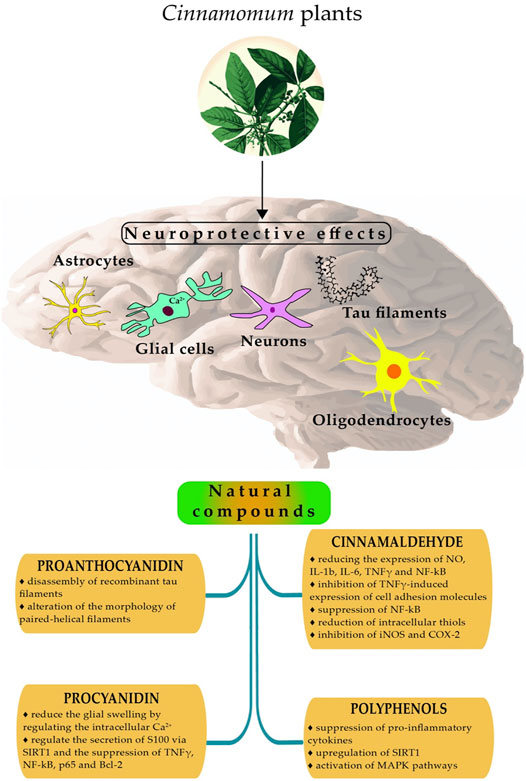
In addition to these therapeutic benefits, cassia serves as a physical and emotional stimulant. Its aroma can invigorate the mind, enhance mental clarity, and alleviate feelings of drowsiness, dullness, pain, irritability, and headaches. Despite its many uses, it is important to note that cassia essential oil can be a skin irritant and should be used with caution and diluted. It is widely employed in culinary applications for its aromatic qualities, as a spice, and in incense. Its use in the perfume industry is more limited.
Ongoing research, including studies by the USDA, continues to explore cassia’s effects on blood pressure, further validating its relevance in health and wellness.
Spiritual:
Cassia oil is thought to provide warmth and security, fostering creativity and activating the imagination. It creates a cheerful and uplifting atmosphere when used in aromatherapy.
Combination with Other Oils:
Cassia pairs well with:
- Benzoin
- Citrus
- Cananga
- Ginger
- Geranium
- Chamomile
- Caraway
- Coriander
- Lemongrass
- Nutmeg
- Rosemary
- Sandalwood
- Patchouli
- Peru Balsam
- Frankincense
- Ylang Ylang
- Black Pepper
Contraindications:
Cassia is known to irritate the skin and mucous membranes. It should not be used on the skin undiluted and is contraindicated for babies and children under six years of age. During pregnancy, it is best to use cassia only in a diffuser.
Applications:
- For Rheumatism: Mix 1-2 drops of cassia with 1 tablespoon of base oil and massage the affected areas.
- For Atmosphere: To create a pleasant environment, diffuse 5 drops of cassia and 10 drops of mandarin oil, or use 7-9 drops of cassia in an aroma lamp to stimulate creativity and imagination.
Active Ingredients in Cassia
General Composition: Cassia contains a complex array of active compounds that contribute to its therapeutic properties. The maximum yield of essential oil is approximately 4%. Key components include:
- Coumarin: 7%, present in moderate amounts.
- Mucilage: Higher content compared to Cinnamomum zeylanicum.
- Eugenol: Present in trace amounts.
Essential Oils:
- Leaf Oil:
- b-Caryophyllene
- Fenchone
- Hexanol
- Aldehydes
- Alcohols
- Benzyl Benzoate
- Eugenol
- Linalool
- Phenol
- Cinnamaldehyde
- Ketones
- Hydrocinnamaldehyde
- Hex-3-en-1-ol
- 3-Phenylpropanal
- Root Oil:
- Cinnamaldehyde: 70-90%
- Cinnamyl Alcohol
- Cuminaldehyde
- Guaiacol
- Methyl Eugenol
- α- and β-Pinene
- α-Terpineol
- Benzaldehyde
- Eugenol
- Limonene
- Linalool
- Salicylaldehyde
- Coumarin: 6-8%
- b-Caryophyllene
- Methylsalicylaldehyde
- 1,8-Cineole
- 3-Phenylpropanal
Phenolic Compounds:
- Phenol: 0.5%
- Iso-Eugenol: 1.7%
- 4-Ethylguaiacol: 2%
Acids:
- Benzoic Acid
- Cinnamic Acid
Whole Plant Constituents:
- Stem/Bark:
- (-)-Epicatechin
- (+)-Catechin
- 3-Phenylpropanal
- Resorcinol
- Cinnamaldehyde
- Cinnamyl Acetate
- Cinnamyl Alcohol
- Cinnzeylanine
- Cinnzeylanol
- Cuminaldehyde
- Guaiacol
- Hydrocinnamaldehyde
- Methyl Eugenol
- O-Methoxycinnamaldehyde
- Cinnamic Acid
- 1,8-Cineole
- Alpha-Pinene
- Alpha-Terpineol
- Ascorbic Acid
- Benzaldehyde
- Benzoic Acid
- Beta-Carotene
- Beta-Pinene
- Calcium
- Eugenol
- Fiber
- Phosphorus
- Tannins
- Iron
- Iodine
- Potassium
- Ketones
- Copper
- Carbohydrates
- Coumarin
- Limonene
- Linalool
- Magnesium
- Manganese
- Melilotic Acid
- Methyl Salicylate
- Sodium
- Phenol
- Fat
- Protein
- Sulphur
- Thiamine (B1)
- Riboflavin (B2)
- Zinc
- Essential Oil
- Leaf:
- 3-Phenylpropanal
- Beta-Caryophyllene
- Hexanol
- Ketones
- Cinnamaldehyde
- Aldehyde
- Alcohol
- Benzyl Benzoate
- Eugenol
- Fenchone
- Linalool
- Cassia Essential Oil
- Other Parts:
- 2-Methylbenzaldehyde
- 2-Methylbutyric Acid
- 2-Vinylphenol
- 3-Phenylpropylacetate
- 4-Ethylguaiacol
- Acetoeugenol
- Beta-Selinene
- Chavicol
- Decanoic Acid
- Dihydrocinnamic Acid
- Ethyl Cinnamate
- Ethyl Guaiacol
- Geranial
- Heptanoic Acid
- Humulene
- Iso-Eugenol
- Methyl Benzoate
- Methyl Cinnamate
- Methyl Furfuryl
- Methyl Octanoate
- Nonanal
- Nonanoic Acid
- Octanoic Acid
- p-Cymene
- Phenylethyl Acetate
- Sabinene
- Styrene
- Terpins-4-ol
- Terpinolene
- Phenylethyl Alcohol
- Phenylpropyl Acetate
- Alpha-Terpinene
- Calcium Oxalate
- Farnesol
- Furfural
- Gamma-Terpinene
- Camphene
- Methylchavicol
- Procyanidin
- Safrole
- Salicylic Acid
This detailed profile of cassia’s active ingredients underscores its complex biochemical composition and wide range of applications. From essential oils and phenolic compounds to various acids and other plant constituents, cassia’s rich array of components supports its diverse therapeutic uses and applications in both traditional and contemporary contexts.

 Herbal Panda