Mitragyna speciosa
Kratom, known scientifically as Mitragyna speciosa, emerges as a captivating tropical evergreen adorned by its native roots in the lush landscapes of Southeast Asia. Flourishing gracefully within Thailand, Malaysia, Indonesia, and Papua New Guinea, this majestic tree bears leaves imbued with a resplendent tapestry of active compounds, with alkaloids taking center stage in their symphony of effects. Among these distinguished constituents, mitragynine and 7-hydroxymitragynine elegantly claim the spotlight, their virtues carefully explored and acclaimed.
Enveloped in tradition, kratom dances through the ages, revered by the ancient cultures of Southeast Asia for countless moons. In rituals passed down from generation to generation, its leaves are lovingly cradled, cherished, and either tenderly chewed or masterfully steeped into ethereal teas, bestowing upon each devotee a kaleidoscope of effects. In the realm of moderation, kratom unveils its effervescent spirit, infusing vitality into weary souls, illuminating focus, fostering camaraderie, and igniting the flame of sociability. Yet, with deliberate intention and higher doses, kratom assumes a mellifluous tranquility, casting its gentle sedative spell, tenderly easing pain and granting respite through blissful repose.
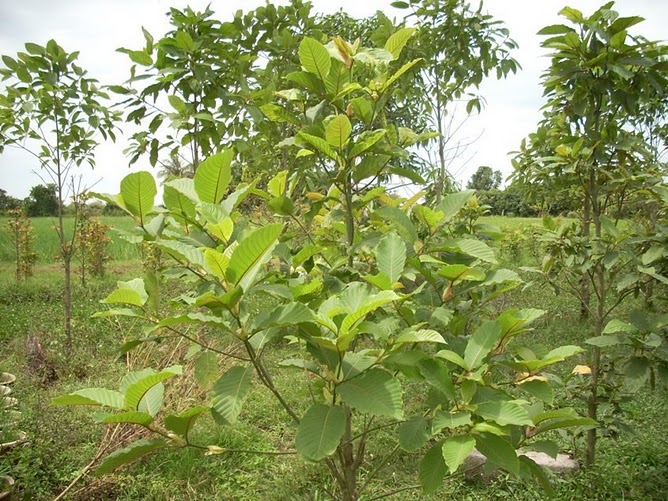
Beyond its ancestral embrace, kratom has swept across distant horizons, captivating the hearts of Western lands where it emerges as an herbal luminary, an elixir of possibilities. In varied incarnations, from the rustic allure of dried leaves to the finely ground powders, encapsulated essences, and concentrated elixirs, it finds its way into the eager hands of seekers. Within the folds of its emerald essence, a myriad of therapeutic promises beckon, inviting weary souls to embrace its gifts. A sanctuary of relief awaits those in search of solace from the shackles of pain, as kratom’s gentle touch unveils a path to liberation. Its harmonious melody serenades the spirit, lifting it towards euphoria and liberation from the chains of melancholy, unveiling the hidden smiles of joy. Amidst the tempests of life, a tranquil harbor emerges, for kratom whispers serenity and calms the restless sea, unravelling the tendrils of stress and kindling the fires of productivity.
In nature’s wisdom, kratom stands as a beacon of hope, a vessel that carries both tradition and modernity. Its allure weaves through time, embracing the seekers, guiding them towards the possibilities that bloom within its ethereal embrace.
However, it is important to approach kratom with caution due to potential risks and concerns. Regulatory agencies, such as the U.S. Food and Drug Administration (FDA), have expressed concerns about the safety and potential for abuse associated with kratom.
Potential Side Effects: While kratom is generally considered safe when used responsibly and in moderation, it can have side effects. These may include nausea, constipation, dry mouth, loss of appetite, increased urination, dizziness or confusion. Long-term and heavy use of kratom may be associated with dependence and withdrawal symptoms
The legal status of kratom varies globally. Some countries and regions have banned or strictly regulated its sale and consumption, while others have imposed age restrictions or placed it under legal scrutiny. It is crucial to understand and comply with the specific laws and regulations governing kratom in your area.
Kratom Strains
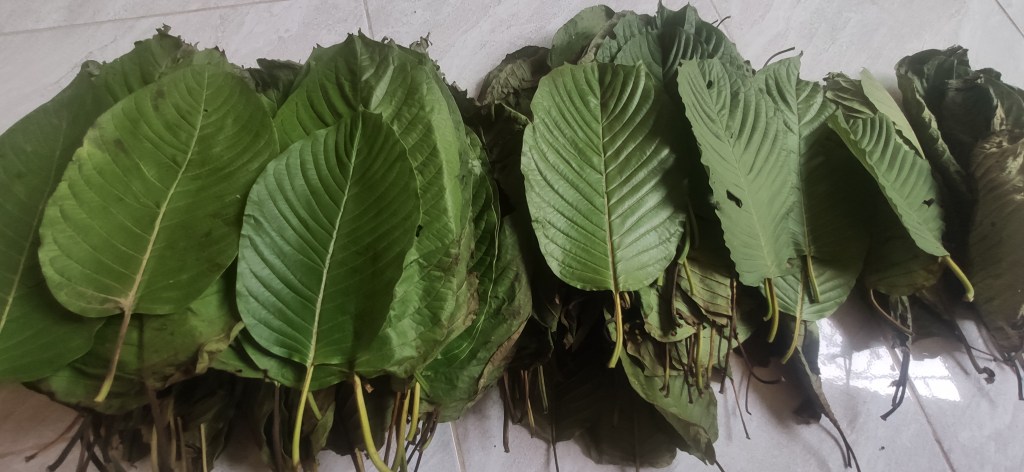
Kratom, a botanical herb derived from the leaves of the Mitragyna speciosa tree native to Southeast Asia, offers a variety of strains, each known for its unique effects. These strains are characterized by factors such as the region of growth, leaf vein color, and processing methods. While individual experiences may differ, let’s explore some of the commonly encountered kratom strains:
- Red Vein Kratom: With its distinctive red-colored veins, this strain is revered for its potent relaxing and sedating properties. It is frequently sought after for pain relief, stress reduction, and promoting restful sleep. Red vein kratom is often considered the most calming and soothing strain.
- Green Vein Kratom: Known for its balanced effects, green vein kratom offers a blend of energy, focus, and mild relaxation. Users often turn to this strain to enhance productivity, uplift mood, and maintain mental clarity. It strikes a harmonious middle ground between the energizing white vein and calming red vein strains.
- White Vein Kratom: Featuring leaves with white veins, this strain is recognized for its stimulating and energizing effects. White vein kratom is commonly employed to boost energy levels, improve focus, and promote a sense of motivation. It is popular among individuals seeking an invigorating and uplifting experience.
- Maeng Da Kratom: Regarded as one of the most potent kratom strains, Maeng Da stands out for its remarkable strength and versatility. It is available in red, green, and white vein variations, each offering a unique set of effects. Maeng Da is often favored by experienced users seeking powerful and long-lasting results.
- Bali Kratom: Hailing from the beautiful Indonesian island of Bali, this strain is widely cherished for its relaxing and analgesic properties. Bali kratom is frequently utilized for stress relief, promoting a sense of tranquility, and managing discomfort. It is considered a go-to strain for relaxation and unwinding.
- Malay Kratom: Originating from Malaysia, Malay kratom is esteemed for its duration and balanced stimulation. It provides users with a gentle energy boost, mental clarity, and mood enhancement. Malay kratom is often favored for its sustained effects, making it suitable for extended focus or productivity sessions.
Keep in mind that kratom’s effects can vary among individuals due to factors such as body chemistry, tolerance, and dosage. It is crucial to start with lower doses and gradually adjust as needed while closely monitoring the effects. It is also important to source kratom from reputable vendors who employ rigorous quality control measures and third-party testing to ensure purity and safety.
It is crucial to recognize that addiction is a multifaceted issue that involves both physical and psychological elements. While substances can be inherently addictive, the underlying reasons for engaging in addictive behaviors often extend beyond the substances themselves and relate to the individual’s emotional well-being, coping mechanisms, and environment. Effective addiction treatment approaches address both the physical and psychological aspects to promote lasting recovery.
Certain drugs, such as opioids or stimulants, can directly impact the brain’s reward system, leading to increased cravings and a physical reliance on the substance. This physiological aspect of addiction plays a significant role in the development of dependence. Substance use may serve as a coping mechanism or a means of escaping from unpleasant emotions, stress, trauma, or other challenging life circumstances. The desire to escape from reality or to numb emotional pain can drive addictive behaviors.
Applications and effects associated with kratom
- Pain Relief: Kratom leaves have analgesic properties and are often used to alleviate chronic pain conditions.
- Energy and Stimulation: Certain strains of kratom can act as stimulants, promoting increased energy, focus, and alertness.
- Mood Enhancement: Kratom has been reported to enhance mood and promote a sense of well-being, potentially providing relief from anxiety or depression symptoms.
- Relaxation and Stress Reduction: Some users find that kratom can help them relax, unwind, and reduce feelings of stress and tension.
- Opiate Withdrawal Aid: Kratom has been used as a herbal remedy to manage symptoms of opiate withdrawal, although it should be approached with caution and under medical supervision.
- Cognitive Enhancement: Some individuals claim that kratom can improve cognitive function, including memory and concentration.
- Appetite Suppression: Certain strains of kratom may have appetite-suppressing effects, which could be beneficial for weight management.
- Sleep Aid: In smaller doses, certain strains of kratom can induce relaxation and help improve sleep quality.
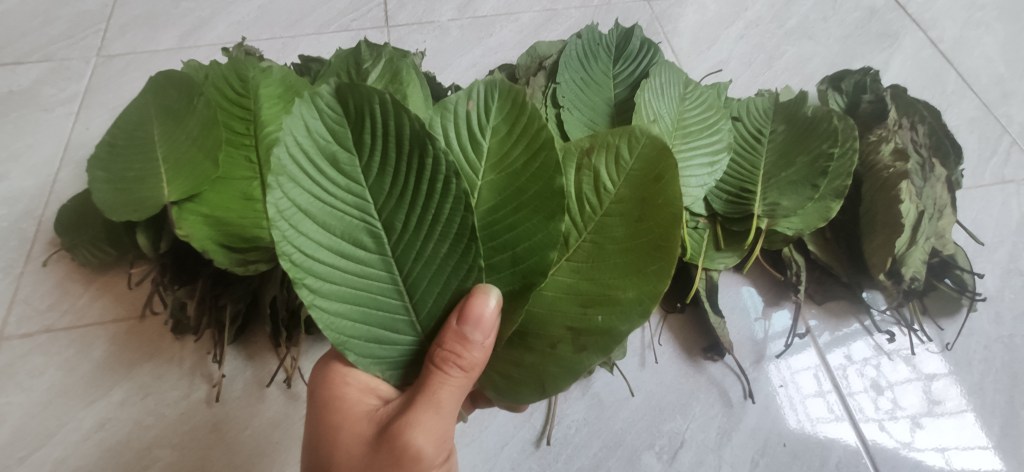
Kratom contains various active compounds, including alkaloids, which are believed to be responsible for its effects. The primary alkaloids found in kratom are mitragynine and 7-hydroxymitragynine. Here are their reported effects:
- Mitragynine: This alkaloid is the most abundant in kratom. It acts as a partial agonist at the mu–opioid receptors, providing analgesic effects, relaxation, and stimulation at lower doses. It may also have anti-inflammatory properties.
- 7–Hydroxymitragynine: This alkaloid is a potent analgesic and has a higher affinity for the mu-opioid receptors than mitragynine. It can provide pain relief, relaxation, and sedative effects.
Other alkaloids found in kratom include speciociliatine, paynantheine, speciogynine, and mitraphylline. However, their effects and mechanisms of action are not as well-studied as mitragynine and 7-hydroxymitragynine.
- Speciogynine: This alkaloid is found in significant quantities in kratom leaves. It is believed to contribute to the relaxing and sedating effects of certain kratom strains.
- Paynantheine: Paynantheine is another alkaloid present in kratom. Its effects and mechanisms of action are not as well-studied as mitragynine and 7-hydroxymitragynine.
- Speciociliatine: This alkaloid is structurally related to mitragynine and has been found in lower quantities in kratom leaves. Its specific effects are not well-known.
- Mitraphylline: Mitraphylline is a non-opioid alkaloid present in kratom. It has been studied for its potential anti-inflammatory, antihypertensive, and smooth muscle relaxant properties.

 Herbal Panda