Lets Talk About Marijuana
Cannabis, also known as marijuana, is a plant that belongs to the Cannabis genus. It is native to Central Asia and has been cultivated and used by various civilizations for thousands of years for its medicinal, recreational, and industrial properties. The cannabis plant is a dioecious plant, meaning it has separate male and female plants. However, both male and female plants produce cannabinoids, the active compounds of interest.
Female cannabis plants are typically cultivated for their cannabinoid-rich flowers, commonly referred to as buds. The buds contain glandular trichomes, tiny hair-like structures that produce and store cannabinoids, terpenes, and other compounds.
Male cannabis plants produce pollen to fertilize the female plants for seed production. They are generally not cultivated for cannabinoid production, as their flower structures are less cannabinoid-rich.
Cannabis has industrial applications, such as fiber production for textiles and paper, seed oil for culinary use, and biomass for biofuel and building materials.
As cannabis gains more recognition and acceptance, research into its potential benefits and risks continues to expand. Scientists and researchers are investigating various aspects of cannabis, including its effects on different medical conditions, potential therapeutic applications, optimal dosing, safety profiles, and long-term effects.
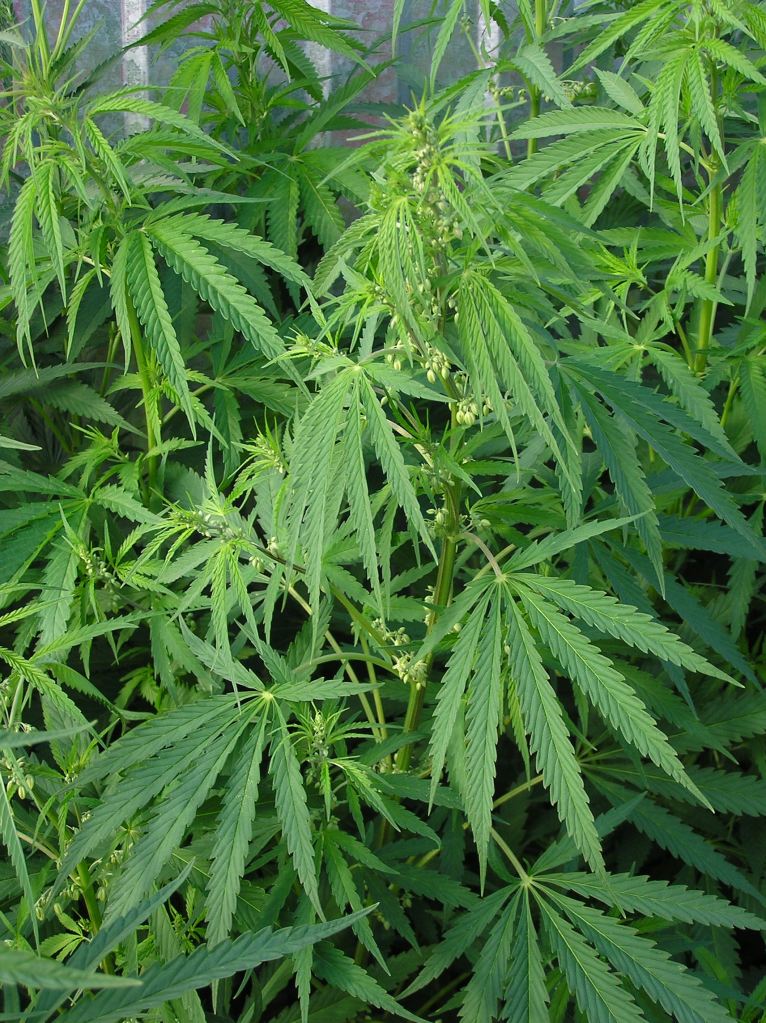
Ongoing research aims to provide a better understanding of cannabis and its compounds, explore new potential medical applications, and develop evidence-based guidelines for its safe and effective use.
Cannabis has been used for centuries for medicinal purposes. Cannabis and its compounds have shown potential in various medical applications. They have been studied for their potential use in managing symptoms associated with certain medical conditions, such as chronic pain, multiple sclerosis, epilepsy, and chemotherapy–induced nausea and vomiting.
Cannabis strains are varieties of the plant that have distinct characteristics, such as different cannabinoid profiles, aromas, and effects. The two primary classifications are indica and sativa, often used to describe the plant’s physical and psychoactive traits.
However, due to crossbreeding and globalization, many strains available today are hybrids or have been influenced by various genetic combinations, making it more challenging to categorize them strictly as indica or sativa based on their lineage or regional origins.
In some countries and regions, medical cannabis is prescribed by healthcare professionals and regulated under specific medical cannabis programs. These programs provide access to cannabis products with controlled potency, quality assurance, and patient oversight.
The terms “indica” and “sativa” originated from the regions where the respective subspecies were believed to have originated.
Sativa
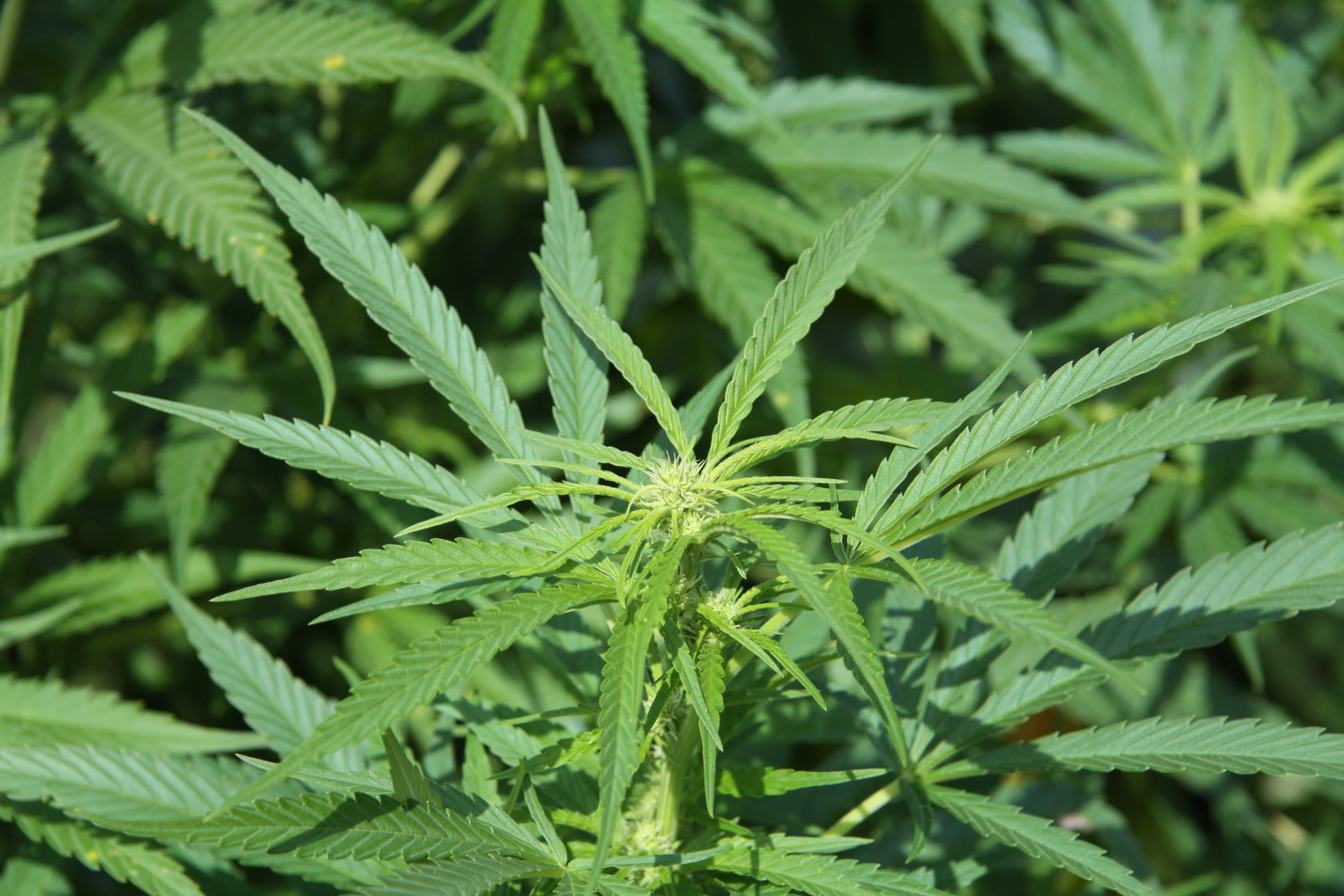
Sativa strains were thought to have originated in equatorial regions, including parts of Africa, Southeast Asia, and Central and South America. Sativa strains are believed to have originated in equatorial regions with a warmer climate. They have adapted to thrive in these tropical and subtropical environments. Sativa plants generally have narrower leaves and a taller, more elongated growth structure. They require more space and have longer flowering periods compared to indica. Sativa strains are often better suited for outdoor cultivation in warm and tropical climates where they can reach their full potential. Sativa strains are often associated with uplifting and energizing effects. They are believed to have more cerebral and invigorating effects, potentially promoting focus, creativity, and mood enhancement. Sativa strains may contain terpenes like limonene and pinene, which are associated with uplifting and energizing effects. Terpenes like terpinolene and beta–caryophyllene may also be present, contributing to the overall stimulating experience. Sativa strains typically have lower CBD levels and higher THC levels. They may provide a more invigorating and creative experience, often described as a “head high.” Sativa strains are often used during the day and may be preferred for activities that require focus and productivity.
Indica
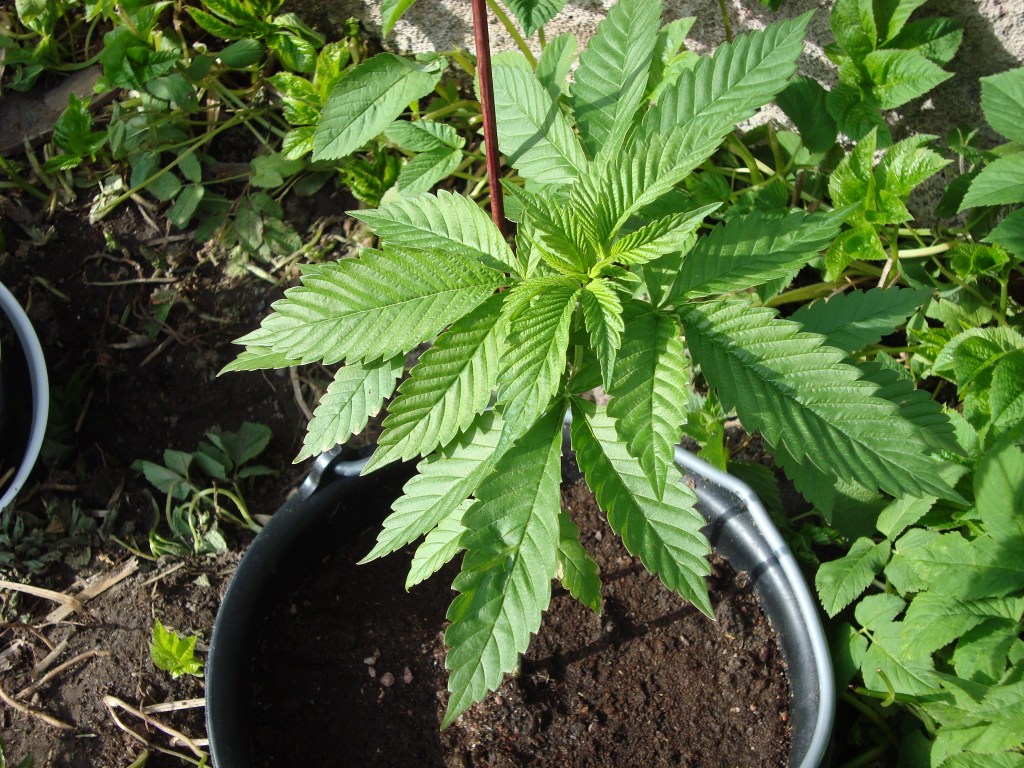
Indica strains were believed to have originated in the Hindu Kush mountain region of Afghanistan, Pakistan, and surrounding areas. Indica strains have adapted to harsher mountainous regions with colder climates, such as the Hindu Kush region of Afghanistan and Pakistan. These strains developed resilient characteristics to survive in these challenging environments. Indica plants tend to have broader leaves and a denser, bushier growth structure. They typically have shorter flowering periods and are known for their ability to thrive in cooler climates. Indica plants are often favored by indoor growers due to their compact size and faster flowering times. Indica strains are generally associated with relaxing and sedating effects. They are believed to have a calming influence on the body and may be used for relaxation, pain relief, and sleep aid. Indica strains often contain terpenes such as myrcene, which is associated with sedating and relaxing effects, as well as other terpenes like linalool and terpinolene, which can contribute to the overall calming and soothing experience. Indica strains tend to have higher levels of CBD (cannabidiol) and lower levels of THC (tetrahydrocannabinol). Indica strains are often described as producing a “body high” and may be preferred for evening or nighttime use.
Hybrid
Hybrid strains are a combination of both indica and sativa genetics, aiming to produce desired effects by blending characteristics of both types. Hybrid strains can vary widely in their effects, depending on the specific genetics. Many cannabis strains available today are hybrids, combining characteristics of both indica and sativa varieties. Hybrid strains can provide a balance between the effects of both subspecies or can lean more towards one side depending on the specific genetics. Hybridization allows breeders to create strains with desired characteristics, such as combining the relaxing qualities of an indica with the uplifting effects of a sativa.
It’s essential to recognize that individual variations can significantly impact the effects experienced by different individuals. Factors such as personal physiology, and environmental factors can influence how an individual responds to cannabis, regardless of whether it is classified as indica or sativa. In summary, while the terms indica and sativa have been traditionally used to describe different cannabis varieties, the effects of a particular strain are influenced by various factors, including cannabinoid and terpene profiles, individual differences, and personal preferences. It’s important to note that the effects of cannabis can vary widely depending on individual factors, including personal tolerance, mindset, and dosage. Additionally, the cannabinoid and terpene profiles play a significant role in the overall experience. Experimentation and personal exploration are often necessary to find strains that best suit individual preferences and desired effects.
Cannabis can be consumed in various forms:
- Smoking: Dried and cured cannabis flowers are commonly smoked in joints, pipes, or bongs, allowing for rapid absorption of cannabinoids into the bloodstream.
- Vaporization: Vaporizers heat cannabis to a temperature that releases cannabinoids and terpenes as vapor without combustion, reducing potential harm from smoking.
- Edibles: Cannabis-infused food and beverages, known as edibles, provide an alternative to smoking. The cannabinoids are absorbed through the digestive system, resulting in slower onset and longer-lasting effects.
- Topicals: Cannabis-infused creams, lotions, and oils can be applied to the skin for localized relief without psychoactive effects.
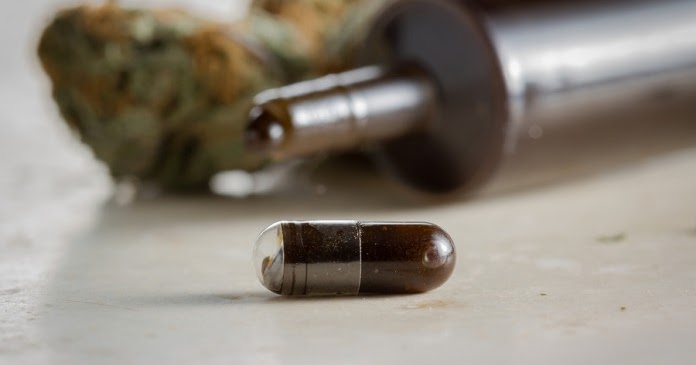
- Tinctures and Oils: Cannabis extracts can be dissolved in alcohol or oils and taken orally, allowing for precise dosing.
There have been no reported cases of deaths directly caused by a toxic overdose of cannabis. Cannabis is considered to have a relatively low toxicity profile compared to other substances such as alcohol, and it is extremely difficult to consume a lethal dose of cannabis alone.
However, it’s important to note that cannabis use can have adverse effects, especially when used in high doses or in combination with other substances. Excessive consumption of cannabis can lead to temporary symptoms such as anxiety, paranoia, increased heart rate, impaired coordination, and cognitive impairment. These effects can be more pronounced in individuals who are new to cannabis or who consume high-potency products.
Additionally, cannabis can have indirect health risks, like potential respiratory issues associated with smoking. It’s important to use cannabis responsibly, be aware of potential risks, and consult with healthcare professionals for personalized advice, especially if you have underlying health conditions or are taking medications.
It’s worth mentioning that while cannabis itself has not been directly linked to fatal overdoses, it’s important to be cautious about the quality and safety of cannabis products. Contaminants or adulterants in improperly sourced or unregulated cannabis products can pose health risks.
Cannabis laws and regulations vary globally. Some countries and states have legalized cannabis for medical and/or recreational use, while others strictly prohibit its use. Legalization efforts often aim to regulate the industry, promote consumer safety, and generate tax revenue. It’s important to stay informed about the specific laws and regulations in your jurisdiction regarding the cultivation, possession, sale, and use of cannabis.
Cannabis and its compounds
Cannabis and its compounds, such as THC (tetrahydrocannabinol), have been a subject of interest in cancer research. However, the evidence regarding its effectiveness in treating cancer is still limited, and further research is needed to establish its potential benefits and safety.
Currently, there is some research suggesting that certain compounds found in cannabis, such as THC and CBD (cannabidiol), may have potential anticancer properties. These compounds have been shown to have effects on tumor growth, metastasis, and programmed cell death in preclinical studies conducted on cells.
Cannabis is a plant that has been used for various purposes for thousands of years. It contains hundreds of chemical compounds, including cannabinoids, terpenes, and flavonoids, which contribute to its effects. The two most well-known and studied cannabinoids are THC (tetrahydrocannabinol) and CBD (cannabidiol).
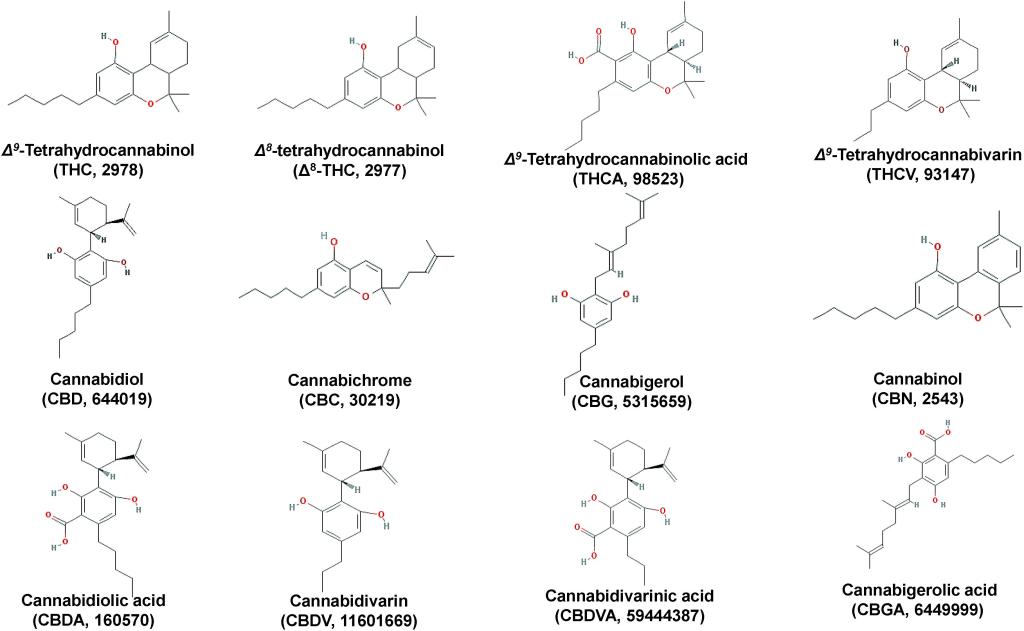
- THC (Tetrahydrocannabinol): THC is the primary psychoactive compound in cannabis, responsible for the “high” or euphoric effect that some users experience. It interacts with specific receptors in the brain and nervous system, known as cannabinoid receptors (CB1 receptors), producing various effects on mood, perception, and cognition. THC also has potential medicinal properties and is used in certain medications, primarily for symptom relief, such as pain, nausea, and appetite stimulation.
- CBD (Cannabidiol): CBD is another prominent cannabinoid found in cannabis, but it does not produce the psychoactive effects associated with THC. It interacts with different receptors in the body, including CB1 and CB2 receptors, as well as other non–cannabinoid receptors. CBD is known for its potential therapeutic properties, such as anti–inflammatory, analgesic (pain-relieving), and anxiolytic (anti-anxiety) effects. It is commonly used in various wellness and therapeutic products.
- Other Cannabinoids: Apart from THC and CBD, cannabis contains numerous other cannabinoids, including CBG (cannabigerol), CBN (cannabinol), and THCV (tetrahydrocannabivarin), among others. Each cannabinoid has its own properties and potential effects, although research on these compounds is still ongoing.
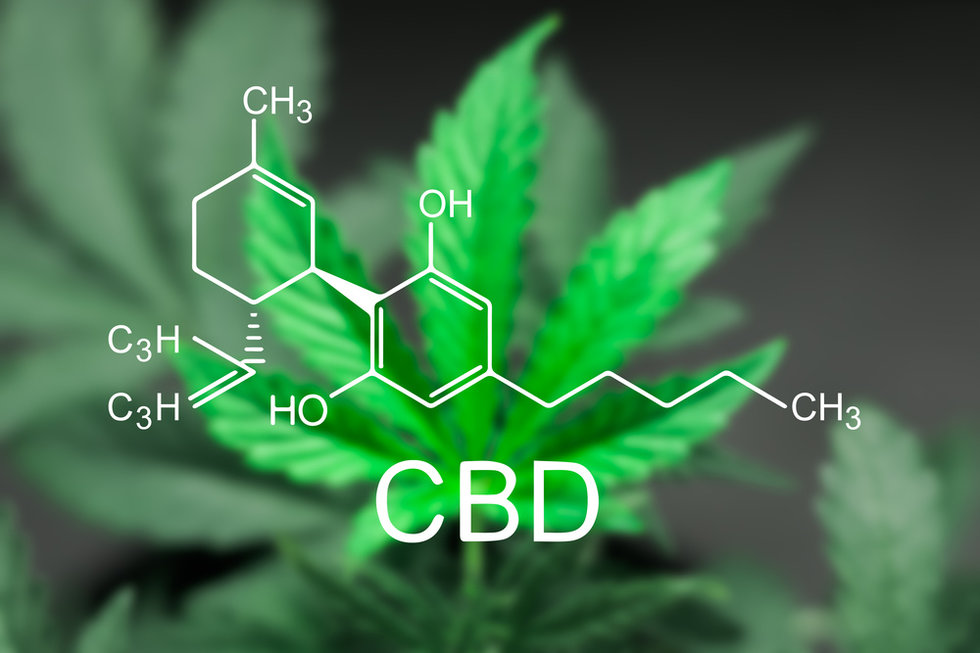
THC (tetrahydrocannabinol) has been investigated for various potential applications. It’s important to note that the use of THC for medical purposes varies by jurisdiction, and the availability of THC-based medications may differ from country to country. Here are a few examples of applications where THC has been studied or used.
- Pain Management: THC has analgesic properties and may be used to alleviate pain associated with conditions such as cancer, neuropathy, multiple sclerosis, and fibromyalgia. It can be administered through oral capsules, sprays, or inhalation.
- Nausea and Vomiting: THC has been shown to have antiemetic effects, making it useful for managing chemotherapy-induced nausea and vomiting in cancer patients. It is often combined with other medications in prescription formulations.
- Appetite Stimulation: THC is known to increase appetite, and it has been used to help stimulate food intake in patients with conditions such as HIV/AIDS or cancer-related cachexia (severe weight loss and muscle wasting).
- Glaucoma: THC has been investigated for its potential to lower intraocular pressure in glaucoma, a condition that can lead to optic nerve damage and vision loss. However, the duration of its effects and the development of tolerance can limit its long-term usefulness for this condition.
- Sleep Disorders: THC may have sedative properties and can help improve sleep quality for individuals with certain sleep disorders, such as insomnia.
- Muscle Spasticity: THC has been studied for its potential to reduce muscle spasticity in conditions such as multiple sclerosis and spinal cord injury.
- Mental Health Conditions: THC’s effects on mental health conditions such as anxiety and post-traumatic stress disorder (PTSD) are still being researched. While some individuals report symptom relief, others may experience increased anxiety or paranoia with THC use.
- Multiple Sclerosis (MS): THC has been investigated for its potential to alleviate symptoms associated with MS, such as muscle spasms, pain, and bladder dysfunction. It may be used in combination with other cannabinoids or as part of whole–plant cannabis extracts.
- Cancer: THC has been studied for its potential anticancer properties, including its ability to inhibit tumor growth, induce programmed cell death (apoptosis) in cancer cells, and inhibit angiogenesis (the formation of new blood vessels that tumors need to grow). However, more research is needed to determine its efficacy and safety in cancer treatment.
- Neurodegenerative Disorders: THC has shown promise in preclinical studies as a potential treatment for neurodegenerative disorders like Alzheimer’s disease and Parkinson’s disease. It has been shown to have neuroprotective effects and may help reduce inflammation and oxidative stress in the brain.
- Autoimmune Diseases: THC has been investigated for its potential immunomodulatory effects in autoimmune diseases such as rheumatoid arthritis and inflammatory bowel disease. It may help reduce inflammation and modulate the immune response.
- HIV/AIDS: THC has been used to alleviate symptoms associated with HIV/AIDS, such as appetite loss, weight loss, and neuropathic pain. It may help stimulate appetite and reduce pain and discomfort.
It’s important to note that THC can have side effects, including cognitive impairment, dizziness, dry mouth, and potential psychological effects. While CBD has received more attention for its potential in treating epilepsy, THC has also been investigated for its anticonvulsant properties. It may have a role in certain forms of epilepsy, although more research is needed to determine its effectiveness and safety compared to other treatments.
Here are some examples of applications where CBD (cannabidiol) has been studied or used.
- Epilepsy: CBD has gained significant attention for its potential in treating certain forms of epilepsy, particularly in children with conditions such as Dravet syndrome and Lennox–Gastaut syndrome. In fact, the CBD-based medication Epidiolex has been approved by the U.S. Food and Drug Administration (FDA) for the treatment of specific epilepsy syndromes.
- Anxiety and Stress: CBD has been investigated for its potential anxiolytic (anti-anxiety) effects and its ability to reduce stress. It may help alleviate symptoms of generalized anxiety disorder (GAD), social anxiety disorder, and post–traumatic stress disorder (PTSD). However, the optimal dosing and formulation for anxiety-related conditions are still being explored.
- Pain Management: CBD has shown promise in managing various types of pain, including chronic pain, neuropathic pain, and pain associated with inflammatory conditions like arthritis. It may have anti–inflammatory and analgesic properties, although further research is needed to understand its full mechanisms of action.
- Sleep Disorders: CBD has been studied for its potential in improving sleep quality and addressing sleep disorders such as insomnia. It may help promote relaxation and reduce anxiety, contributing to better sleep.
- Neurological Disorders: CBD has been investigated for its potential benefits in neurodegenerative disorders such as Alzheimer’s disease, Parkinson’s disease, and multiple sclerosis. It has shown neuroprotective and anti–inflammatory effects, which may have implications for managing symptoms and slowing disease progression.
- Psychiatric Disorders: CBD has been explored for its potential in managing psychiatric disorders such as schizophrenia, bipolar disorder, and substance use disorders. Some studies suggest that CBD may have antipsychotic, mood–stabilizing, and addiction–relapse prevention properties, but more research is needed to establish its efficacy and safety.
- Skin Conditions: CBD has been used in topical products for its potential anti–inflammatory and soothing effects on the skin. It has been explored for conditions like acne, psoriasis, and eczema.
- Addiction: CBD has been investigated for its potential in reducing drug cravings and withdrawal symptoms in individuals with substance use disorders. It may have a role in managing addiction-related behaviors, but further research is required.
There are many other cannabinoids present in cannabis, although typically in smaller amounts. Some examples include CBG (Cannabigerol), CBN (Cannabinol), and THCV (Tetrahydrocannabivarin), each with their own potential effects and benefits.
Other Compounds
Here are some examples of applications and potential uses for CBG (cannabigerol), CBN (cannabinol), and THCV (tetrahydrocannabivarin):
- CBG (Cannabigerol):
- Glaucoma: CBG has been studied for its potential to reduce intraocular pressure in glaucoma, similar to THC. It may have a role in managing this condition, although more research is needed.
- Inflammation: CBG has shown promise as an anti–inflammatory agent, potentially useful in conditions characterized by excessive inflammation, such as inflammatory bowel disease and arthritis.
- Neuroprotective Effects: CBG has been investigated for its potential neuroprotective properties. It may have applications in neurodegenerative diseases like Huntington’s disease and Parkinson’s disease.
- Cancer: Some research suggests that CBG may have anticancer properties. It has been shown to inhibit the growth of certain types of cancer cells in preclinical studies.
- CBN (Cannabinol):
- Sleep Aid: CBN has been associated with sedative effects and is often reported to have sleep–promoting properties. It may help with sleep-related issues, including insomnia.
- Pain Relief: CBN has been explored for its potential analgesic effects and its ability to modulate pain perception. It may have applications in managing different types of pain.
- Appetite Stimulation: Similar to THC, CBN has been associated with appetite stimulation. It may help increase food intake, particularly in individuals with conditions that result in appetite loss.
- Antibacterial Effects: CBN has demonstrated antimicrobial properties, showing potential in fighting bacterial infections.
- THCV (Tetrahydrocannabivarin):
- Weight Management: THCV has been investigated for its potential to suppress appetite and aid in weight loss. It may have applications in managing obesity and related metabolic disorders.
- Diabetes: THCV has shown promise in preclinical studies as a potential antidiabetic agent. It may help regulate blood sugar levels and improve insulin sensitivity.
- Neurological Disorders: THCV has been explored for its potential benefits in neurological conditions like Alzheimer’s disease and Parkinson’s disease. It may have neuroprotective and anti–inflammatory effects.
Mood Disorders: THCV has been studied for its potential mood–modulating effects. It may have applications in managing conditions like depression and anxiety, although more research is needed to understand its effects.
Terpenes
Terpenes are aromatic compounds found in many plants, including cannabis. They contribute to the distinctive aroma and flavors of different cannabis strains. Terpenes are not unique to cannabis, as they are found in various fruits, herbs, and other plants.
Terpenes in cannabis can have their own potential therapeutic effects and work in synergy with cannabinoids, producing what is known as the “entourage effect.” Here are a few common terpenes found in cannabis:
- Myrcene is known for its herbal, earthy scent and is also found in hops, mangoes, and lemongrass. It may have sedative, relaxing, and anti–inflammatory properties.
- Limonene has a citrusy aroma and is found in citrus fruits and various herbs. It may have mood–enhancing, anti–anxiety, and potential anti–cancer properties.
- Pinene has a pine-like scent and is found in conifer trees, rosemary, and sage. It may have anti–inflammatory, bronchodilatory (airway-opening), and potential memory–enhancing effects.
- Linalool has a floral, lavender-like scent and is also found in lavender and other flowers. It may have relaxing, anti–anxiety, and potential analgesic properties.
These are just a few examples, and there are numerous other terpenes found in cannabis, each with its own unique scent and potential effects.
Flavonoids are a class of plant compounds that contribute to the color, flavor, and aroma of cannabis. They also have potential health benefits. Some flavonoids found in cannabis include
- Quercetin is a flavonoid with antioxidant and anti–inflammatory properties. It may have potential neuroprotective effects and could contribute to the overall therapeutic benefits of cannabis.
- Cannflavin A and B: These unique flavonoids are specific to cannabis and have shown potential anti–inflammatory properties. They may contribute to the anti–inflammatory effects of cannabis.
Other Compounds:
- Cannabis contains various fatty acids, including omega–3 and omega–6 fatty acids. These fatty acids play important roles in overall health and can have anti–inflammatory properties.
- Chlorophyll is a green pigment found in plants, including cannabis. It is involved in photosynthesis and may have potential detoxifying effects.
- Terpenoids are a subclass of terpenes and include compounds like sesquiterpenes and diterpenes. They contribute to the aromatic properties of cannabis and may have potential therapeutic effects.
Cannabis is a complex plant with hundreds of compounds, and ongoing research aims to uncover the potential therapeutic applications and interactions of these substances.
Cannabis does contain some minerals and vitamins, although their concentrations can vary depending on various factors such as the growing conditions, soil composition, and cultivation methods. Here are some of the minerals and vitamins that can be found in cannabis.
- Calcium is an essential mineral for bone health, muscle function, and nerve signaling.
- Iron is important for the production of red blood cells and oxygen transportation in the body.
- Magnesium plays a role in various bodily functions, including muscle and nerve function, energy production, and bone health.
- Phosphorus is involved in bone and teeth formation, energy metabolism, and cell growth.
- Potassium is an electrolyte that helps maintain proper fluid balance, nerve function, and muscle contractions.
- Zinc is important for immune function, wound healing, and cellular processes.
Vitamins:
- Vitamin A is essential for vision, immune function, and cell growth.
- Vitamin C is an antioxidant that supports the immune system, collagen synthesis, and wound healing.
- Vitamin E is an antioxidant that helps protect cells from damage and supports immune function.
- Vitamin K is necessary for blood clotting and bone health.
While cannabis can contain trace amounts of these minerals and vitamins, it’s worth noting that they are not the primary reason for its use or therapeutic effects. Obtaining a significant amount of these nutrients from cannabis alone may not be practical or efficient. It’s important to maintain a balanced diet and consider other food sources and supplements to meet your nutritional needs.
This summarized article provides valuable information about cannabis. Its purpose is not to promote the use of cannabis, but rather to raise awareness about its medicinal properties and challenge the negative perception surrounding it. When used responsibly, cannabis can have numerous positive effects on the human body.
Having personally been a heavy user of cannabis in the past, I consider myself experienced in its consumption, having dealt with it for over a decade. Throughout different periods of my life, I have both limited and increased my usage depending on my circumstances. I found that cannabis helped me alleviate symptoms of depression and stress, enabling me to manage them without resorting to strong antidepressant medications. However, it is essential to recognize that cannabis is not a definitive solution to inner struggles, but rather a tool that can make them more bearable while allowing individuals the time to seek lasting resolutions.
To truly heal, one must delve deeper into the root causes of their ailments and strive to find comprehensive solutions instead of relying solely on escapism. Prior to using cannabis, I battled addiction to heavy drugs, and it was through incorporating cannabis into my lifestyle that I managed to overcome it and alleviate withdrawal symptoms. With the support of the right people and the integration of cannabis, I successfully eliminated my dependence on harmful substances.
Although I no longer consume cannabis on a daily basis, I still enjoy its use on special occasions. Similar to how some individuals enjoy a glass of alcohol in the evening, I occasionally partake in cannabis to enhance enjoyable evenings or engage in creative hobbies. It is important to note that I do not advocate for smoking cannabis, as this method does not allow one to fully benefit from its medicinal properties and may even compromise its efficacy. Instead, I recommend the use of proper cannabis remedies such as full spectrum tinctures, which contain the complete range of beneficial compounds found in the plant. Only through such methods can individuals truly reap the advantages offered by cannabis.
In future discussions, I will delve further into the intricacies of oil extraction and distillation. Additionally, I have provided a selection of videos below that demonstrate the remarkable effects of this medicinal plant.
Please note that the content provided is for informational purposes only and should not be considered medical advice.

 Herbal Panda